By Hamza Faisal
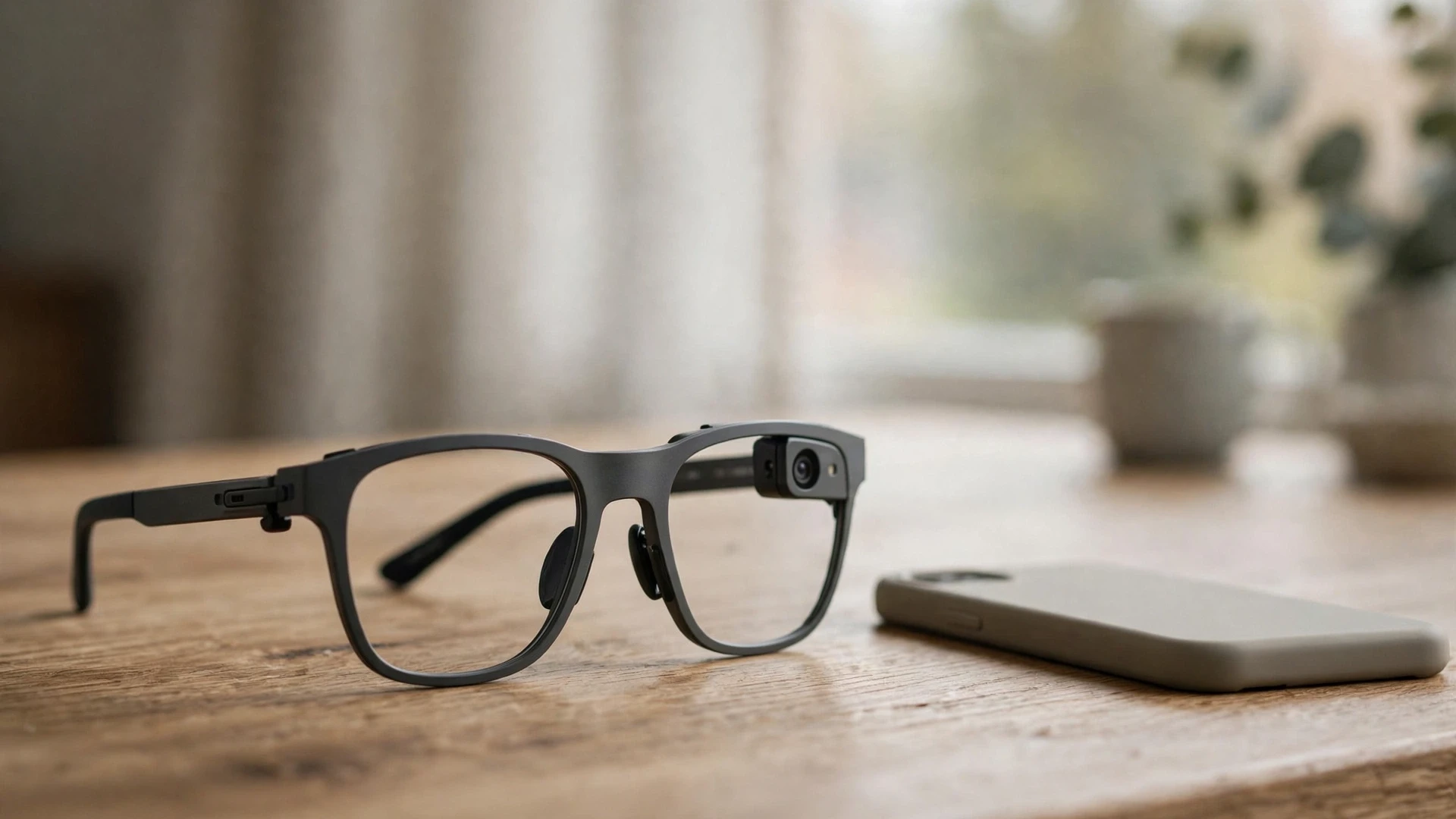
Pakistan has moved to restrict imports of camera-enabled smart glasses, with the federal cabinet's Economic Coordination Committee approving curbs on the devices at a meeting on Wednesday, November 4. The decision, chaired by Finance Minister Muhammad Aurangzeb at the Finance Division, targets glasses that can discreetly record video and capture photos — devices such as Meta's Ray-Ban smart glasses.
The committee cited concerns about the use of such devices in workplaces, where built-in cameras and microphones can record people without their knowledge or consent. It also recommended that provincial governments and the Islamabad Capital Territory draw up workplace regulations governing how the glasses can be used.
What the decision does — and does not — do
The ECC approval is not yet a ban in practice. The Federal Board of Revenue's customs wing must first issue a formal statutory regulatory order before enforcement can begin at the borders, and the Commerce Ministry must publish the formal import order. The official summary of the meeting does not say whether the restriction will amount to a complete ban, a licensing requirement or an import duty, nor from what date it will apply.
The decision does not affect glasses already in the country, and it does not confiscate devices already owned. Notably, the ECC statement refers broadly to "camera-enabled smart glasses" and does not name Meta or any manufacturer — though Ray-Ban Meta glasses are the best-known example of the category, with cameras and microphones built into the frames.
Punjab moved first
The federal step follows action at the provincial level. In October, Punjab's Home Department imposed a 30-day ban on the sale and use of camera-enabled glasses and miniature cameras disguised as everyday objects, citing growing concerns about harassment and blackmail, especially affecting women and children. A petition in the Lahore High Court is also challenging the unchecked import and sale of glasses fitted with cameras.
The provincial order and the ECC decision share the same worry: a camera that looks like an ordinary pair of glasses makes it easy to record someone who has no idea they are being filmed.
A wider debate over wearable cameras
The curbs land as smart glasses go mainstream around the world. Meta's Ray-Ban models have become a popular consumer product, and Samsung is preparing to launch its first AI smart glasses in December. Supporters of the devices say they are becoming a normal part of everyday technology, while privacy advocates argue that discreet recording needs clear rules before the devices spread further.
For now, buyers and sellers in Pakistan face uncertainty. Until the FBR and the Commerce Ministry publish the formal import order, it is unclear how — or when — the curbs will bite, and the provinces' workplace rules will decide what wearing the glasses at work actually means in practice.