Abdulrahman Alfozan, the former OpenAI engineer accused of planting a listening device in an executive conference room at the company's San Francisco headquarters, pleaded not guilty on Friday to a federal charge of intercepting oral communications.
Alfozan, 35, entered the plea during a brief arraignment hearing before Magistrate Judge Peter H. Kang. His lawyer, David W. Rizk, waived the reading of the indictment and entered the not-guilty plea on his client's behalf. Alfozan was returned to federal custody after the hearing and remains jailed without bail.
A single count, five years at stake
A federal grand jury indicted Alfozan on October 27 on a single count of intercepting oral communications. If convicted, he faces a maximum sentence of five years in prison and a fine of up to $250,000. His next court appearance is scheduled for November 17.
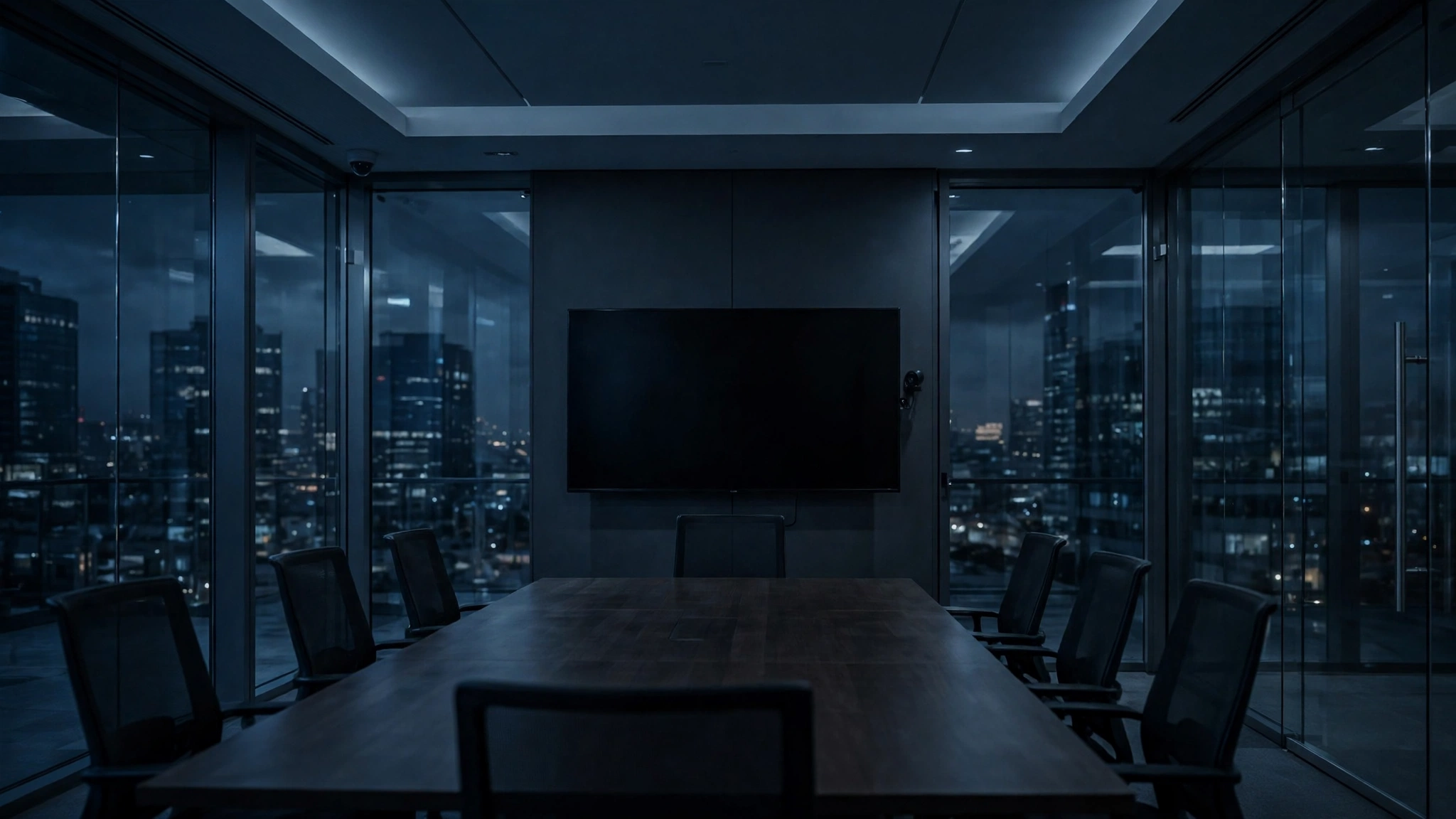
Prosecutors allege Alfozan hid a thumb-sized circuit board and microphone, wrapped in toilet paper, behind a wall-mounted television inside an executive conference room at OpenAI's offices around September 28, shortly before he was due to leave the country. Staff at the company discovered the device, and federal agents arrested Alfozan in early October.
Alfozan, a Saudi national and United States green card holder, had worked on OpenAI's product team since July 2025. He was fired on the day of his arrest. No motive has been established in court filings, and prosecutors have not said what, if anything, the device recorded.
Security questions at the heart of AI
The case has drawn attention well beyond a single courtroom because of where the alleged bugging took place. OpenAI's offices hold some of the most closely guarded research and corporate strategy in the artificial intelligence industry, and the idea that a conference room used by senior executives could be compromised has raised questions about physical security at frontier AI labs.
OpenAI has not commented publicly on the plea. The company discovered the device and alerted authorities, according to the Justice Department's account of the case.
What happens next
The not-guilty plea sets up the next phase of the case, in which prosecutors must prove the allegations in court. Alfozan will remain in custody unless a judge changes his detention status, and the November 17 hearing is expected to set the schedule for further proceedings.
For now, the engineer who once worked inside one of the world's most secretive AI companies waits in a federal jail cell while the case against him moves toward trial.