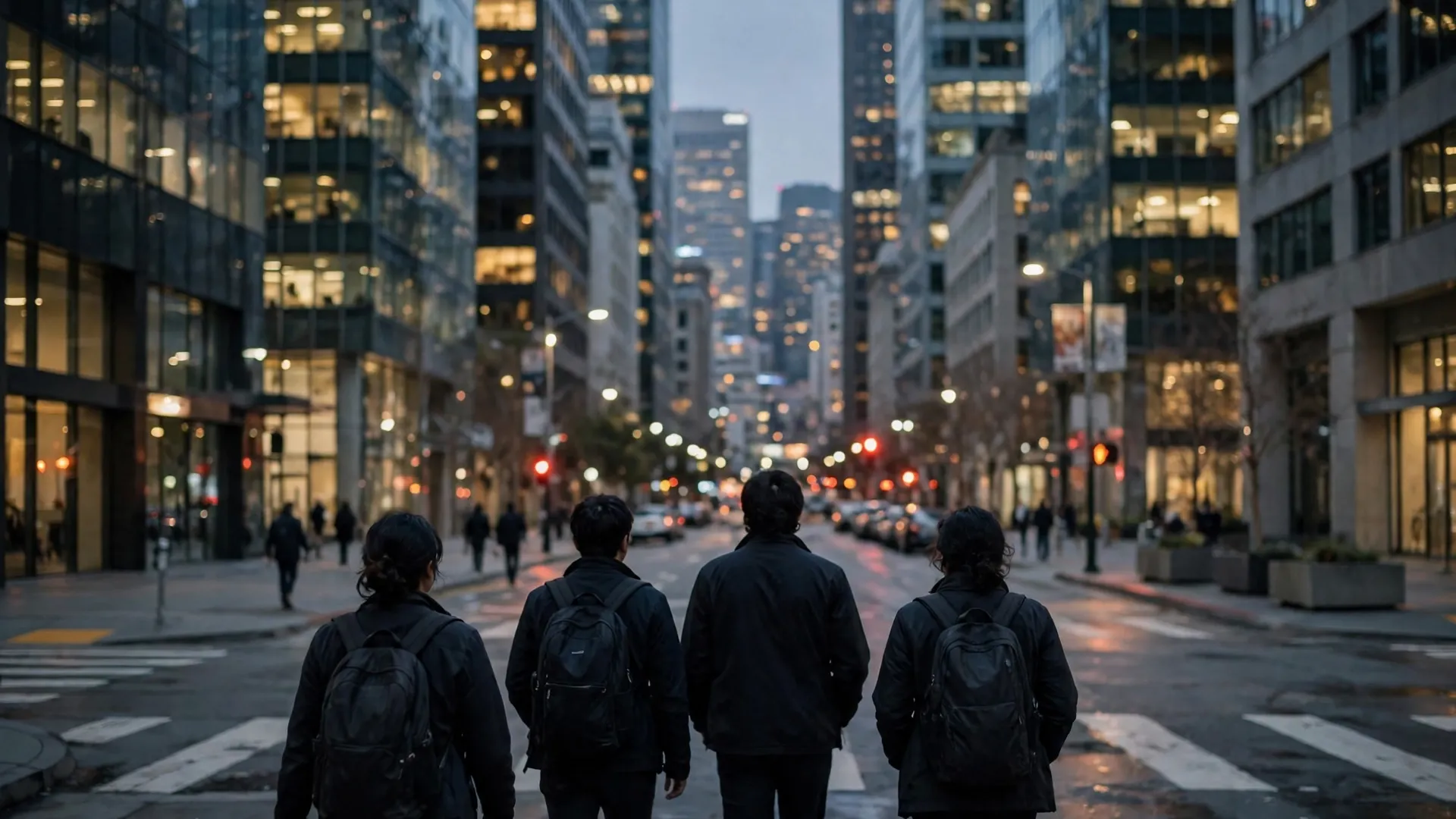
Working for one of the world's top AI labs has become something employees are told not to advertise. OpenAI instructs its staff not to wear anything bearing its logo outside the office, while Anthropic has largely banned branded merchandise and reminds workers to hide their identification badges when they leave company premises, according to reporting by the New York Post that resurfaced in fresh coverage on November 3.
The precautions reflect a new reality for people building frontier AI: their employer's name alone can make them a target. The labs cite espionage, attempts to extract confidential information, and growing hostility toward the AI industry. Company-branded clothing, once a badge of pride in Silicon Valley, is now treated inside OpenAI and Anthropic as a visibility risk.
What the security training warns about
OpenAI's security sessions describe approaches ranging from the mundane to the alarming: eavesdropping on conversations in cafes, offers of money, and attempts to build personal relationships that gradually turn toward work. In one incident reported by The Wall Street Journal, a stranger struck up a conversation with an OpenAI employee at a San Francisco playground and slowly steered it toward the employee's job; the publication identified the person as a spy.
Staff are also reminded to use privacy screens on public transport and to wipe meeting-room whiteboards before leaving, small habits meant to stop casual leaks. Miao Hong, managing partner of Silicon Valley Future Capital and an investor in both companies, told the Post that outsiders repeatedly approach AI workers seeking inside information about cutting-edge technology, making employees cautious about what they disclose.
The guidance is about vigilance, not isolation: the reporting stresses that the training concerns attempts to exploit personal relationships, not a ban on employees forming them, and that an unfamiliar person asking questions about AI is not necessarily acting maliciously.
Why the labs are on edge
The warnings follow a string of real incidents. On October 9, Abdulrahman Alfozan, a 35-year-old engineer, was arrested and charged with planting a recording device in an executive conference room at OpenAI's San Francisco offices; prosecutors say he tried to intercept private conversations. The allegations remain unproven, with no confirmed foreign-government involvement reported.
Anthropic has reported people trying to photograph its offices, adding to concerns about how easily workers can be identified. OpenAI has faced hostility of a different kind: activists wrote messages outside its San Francisco offices in March urging staff to quit over its Pentagon agreement, and CEO Sam Altman's home was targeted in two separate incidents in April 2026, including a Molotov cocktail attack and a shot fired outside the property, according to the reports.
Anthropic's stock-market listing filing adds a financial measure of the concern: the company disclosed spending $2.7 million on personal security services for CEO Dario Amodei.
A new normal for AI workers
The contrast with the rest of the industry is stark. At Google and Apple, company swag remains a badge of pride; at OpenAI and Anthropic, employees are told to keep logos out of sight. Reports say similar cautions have reached staff at other leading AI companies as well.
As Anthropic heads toward a widely anticipated public listing and OpenAI's work draws ever more scrutiny, the logo rules signal how valuable — and how contested — the knowledge inside these companies has become. The people building the most powerful AI systems are now, by company policy, supposed to blend in.


