Reflection, a little-known artificial intelligence startup backed by Nvidia, is preparing to release its first open-weight AI model in what could become one of the most consequential open-model launches of the year, according to an Axios report published October 4.
The model is expected to trail the most advanced American systems at launch, but it should compete directly with the top open-weight models from China — a segment Chinese companies have dominated almost entirely. Reflection declined to comment on the report.
An American answer to China's open models
Open-weight models differ fundamentally from chatbots like ChatGPT and Claude: anyone can download, modify, and run them, subject to the license terms. That makes them attractive to companies and governments that want more control over cost, data, and deployment — and less attractive to those who worry about oversight.
According to the Axios report, Chinese companies produce nearly all of today's leading open-weight models, though other Western firms are also expected to release models this month. The launch would put an American open-weight system, trained on Nvidia hardware, up against China's best.
Nvidia has invested about $800 million in Reflection and has been pushing an open-model strategy through industry alliances. In July, Nvidia was among the companies that signed a letter urging Washington not to restrict open-weight AI, arguing that open systems strengthen rather than weaken American competitiveness.
Billions in compute lined up
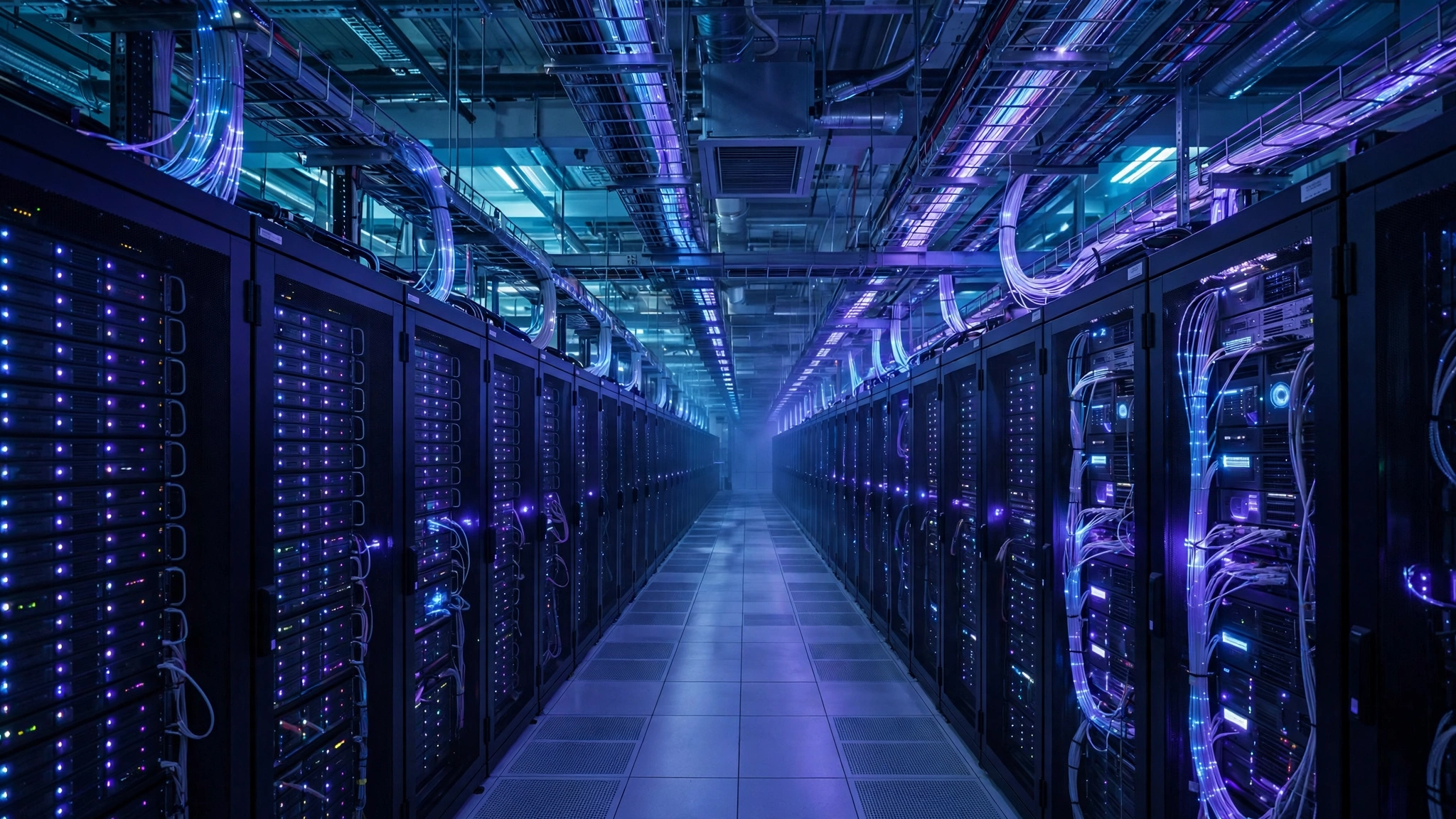
Reflection has quietly secured enormous computing power ahead of the launch. In June, the startup agreed to pay SpaceX $150 million a month — after an initial ramp period — from July 2026 through 2029 for access to Nvidia GB300 chips at the Colossus 2 data center.
Either company can end the deal with 90 days' notice after the first three months.
In July, Nebius agreed to sell Reflection more than $1 billion in computing capacity through 2029. The company has also met with interested parties in Washington and elsewhere in recent weeks to explain the release and how its plans will work.
Reflection's $25 billion fundraising talks earlier this year, which included potential backing from JPMorgan Chase, showed how much investor appetite there is for an American open-model champion, particularly given the startup's close ties to Nvidia CEO Jensen Huang's vision.
The AI factory vision
Reflection's bigger goal is what it calls an "AI factory": a setup that would let an institution combine its own data, Reflection's models, and its own computing power to build a cheap, customized AI system. The pitch is aimed squarely at banks and governments that are wary of Chinese models for security reasons.
The startup has already begun turning the concept into reality. In March, it signed a memorandum of understanding with South Korea's Shinsegae Group to build a 250-megawatt AI factory in Korea that will run on Reflection's models and Nvidia chips.
Reflection has not said when the model will be released or how it performs on benchmarks. If the model lands near the top of China's open-weight tier, it could give Western companies and institutions a homegrown alternative they have been waiting for — and reset the terms of the global AI race.