By Hamza Faisal
Elon Musk has told SpaceX employees that the company is falling behind in artificial intelligence — and that renting out its computing power to rivals is now a better business than building its own chatbot, Grok. The admission, reported by The New York Times on Monday, is a remarkable reversal for a company that set out to beat Anthropic and Google — and now earns most of its money powering them.
The Times, citing three people familiar with the matter, reports Musk told staff that what matters most is how much money each chip earns, not its benchmark scores — and that companies unable to cover their chip costs could go bankrupt, or end up renting out their computing power.
Renting to rivals is now the bigger business
Anthropic will pay about $3.1 billion a month once all the capacity it ordered is delivered in December, and Google pays roughly $800 million a month, the Times reported. The agreements run to around 2029, though either side can walk away with 90 days' notice once initial lock-ins end in January and March 2027.
SpaceX's AI division, SpaceXSI, generated $7.56 billion in the third quarter — about 52 percent of the company's $14.58 billion total, up roughly 830 percent year on year, overtaking Starlink as its biggest business for the first time. Anthropic alone paid an estimated $5 billion in the quarter, about 34.5 percent of SpaceX's total revenue.
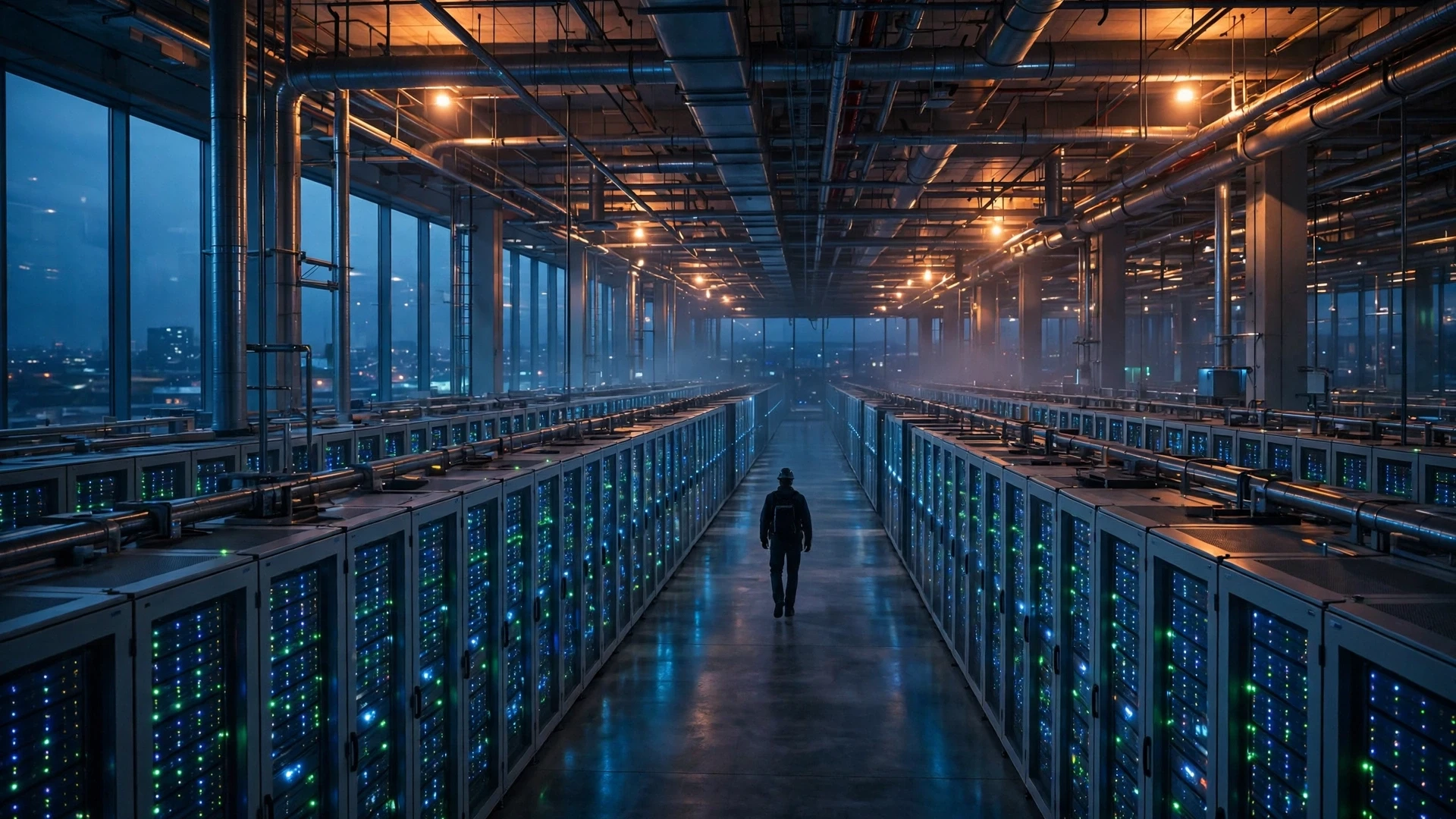
The scale of the commitment is vast. Anthropic disclosed in its stock-market filing that it could spend up to $120.5 billion on SpaceX computing over the life of its agreements. The chips sit in SpaceX's Colossus data centres near Memphis, Tennessee — the first holds more than 220,000 Nvidia chips, and Anthropic is set to use all of it, plus part of Colossus 2, under a deal announced in May.
Grok takes a back seat
As rentals have grown, SpaceX has cut back its own AI projects. It shut down its AI companions project in September, and this month disbanded the 60-person team behind Grok Imagine, its image and video generator, leaving only a skeleton crew to maintain it. Engineers from Digital Optimus, its AI worker tool, moved onto Grok's core features.
Musk's frustration has been visible inside the company for months. In August he briefly renamed an internal engineering group chat "Sell compute because we can't compete," and warned staff that wasting powerful chips while the company was failing to compete would be treated as a betrayal of the team. The message was blunt: the hardware has to pay for itself.
The landlord trade still has room to grow
Demand is not the problem. At the Times' DealBook summit last week, Musk said Anthropic would most likely want an additional 10 gigawatts of capacity — roughly four and a half times what SpaceX had running at the end of October. Microsoft chief executive Satya Nadella said he would lease SpaceX capacity too.
SpaceX ended the quarter with 1.7 gigawatts of capacity running and aims for 2.5 to 3 gigawatts by year-end. It spent $16.4 billion on AI infrastructure in the quarter. Investors appear unbothered: Jefferies began covering the stock with a "buy" rating and a $210 target on Monday, and shares rose.
For now, the company that set out to build the world's smartest chatbot makes more money as its rivals' landlord — a trade that lasts only as long as Anthropic, which can cancel from early next year, keeps renting the rooms.


