By Hamza Faisal
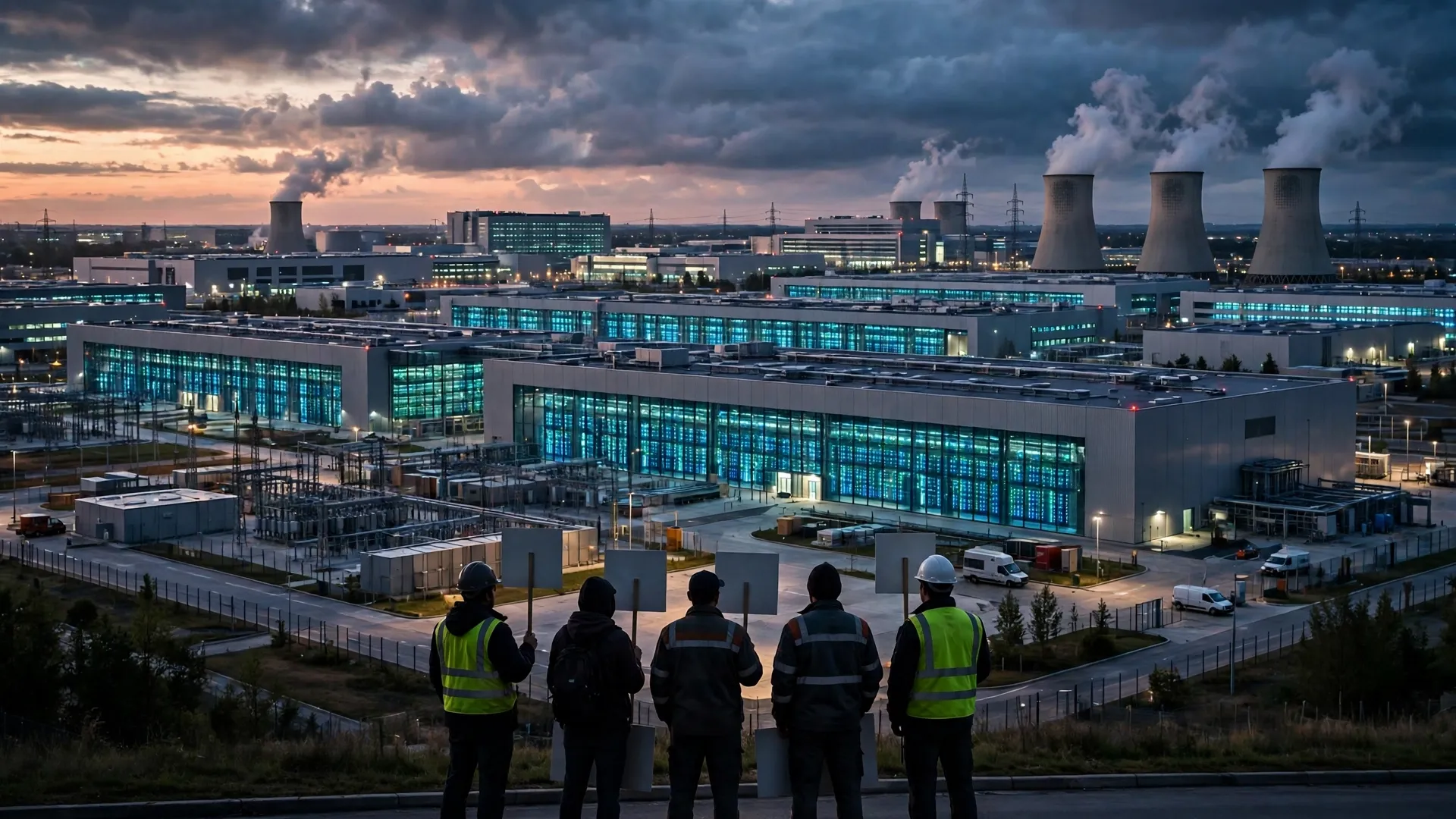
More than 1,000 Amazon employees are campaigning to slow the company's breakneck expansion of AI data centres, arguing that the buildout threatens their jobs, strains power and water supplies, and sidelines the climate goals Amazon once promised to meet. The internal resistance, organised by a group called Amazon Employees for Climate Justice, was detailed in a Financial Times report published on November 22, which drew on interviews with a dozen current and former employees.
The workers say the tension is personal as well as environmental: they are the people building the AI systems they fear will make much of their own work unnecessary. Amazon chief executive Andy Jassy has previously said he expects AI tools and agents to shrink the company's workforce over time, even as Amazon cuts thousands of corporate roles while pouring money into new facilities.
The Seattle testimony that started it
The campaign's most public moment came on June 3, when three Amazon software engineers — Patrick Schloesser, Liesl Wigand and Darius Irani — testified before the Seattle City Council in support of a proposed one-year moratorium on new large-scale data centres. All three are members of the employee group. Their objections covered the environmental impact of the facilities, the strain on electricity supplies, and the economic consequences for surrounding communities.
Six days later, the council approved the moratorium. Amazon then opened internal investigations into the three engineers, who faced possible disciplinary action on June 10. The engineers responded by filing a civil rights complaint alleging retaliation and discrimination over political speech, arguing that their testimony was protected civic participation rather than workplace misconduct.
A buildout under pressure on two fronts
The employee campaign is not the only resistance Amazon's expansion is facing. In Ohio, voters approved 21 local ballot measures in November aimed at limiting the size and electricity consumption of new data centres. Three Amazon projects are affected, representing about $17 billion in planned investment and 1.8 gigawatts of capacity — most of the $23 billion Amazon plans to invest in Ohio by 2030. Paktechstan covered the Ohio votes when they passed earlier this month.
The scale explains the intensity of the opposition. Amazon operates more than 900 data centres in some 50 countries through Amazon Web Services, and it expects to spend about $220 billion on capital expenditure this year, largely on data-centre infrastructure. AWS chief Matt Garman said last month the company would invest more than $1 billion over five years in host communities.
What the workers are asking for
In November 2025, the group organised an open letter signed by more than 1,000 employees that criticised the pace of the AI push and its environmental cost. Its demands include powering data centres with additional local renewable energy, setting up worker-led oversight committees, and giving staff greater transparency when new projects are announced. The group argues that Amazon has cast aside its 2019 pledge to reach net-zero carbon emissions by 2040, pointing out that the company's annual emissions have grown by roughly 35 percent since then.
Amazon says expanding its network is necessary to meet demand for AI services, and points to community investments and dropped non-disclosure agreements with host towns as evidence it is listening. The workers' answer is that the debate should not be settled by the company alone. With similar fights now playing out in towns across the United States, the campaign inside Amazon is one of the most visible signs that the AI infrastructure boom is meeting organised resistance — from the very people building it.


