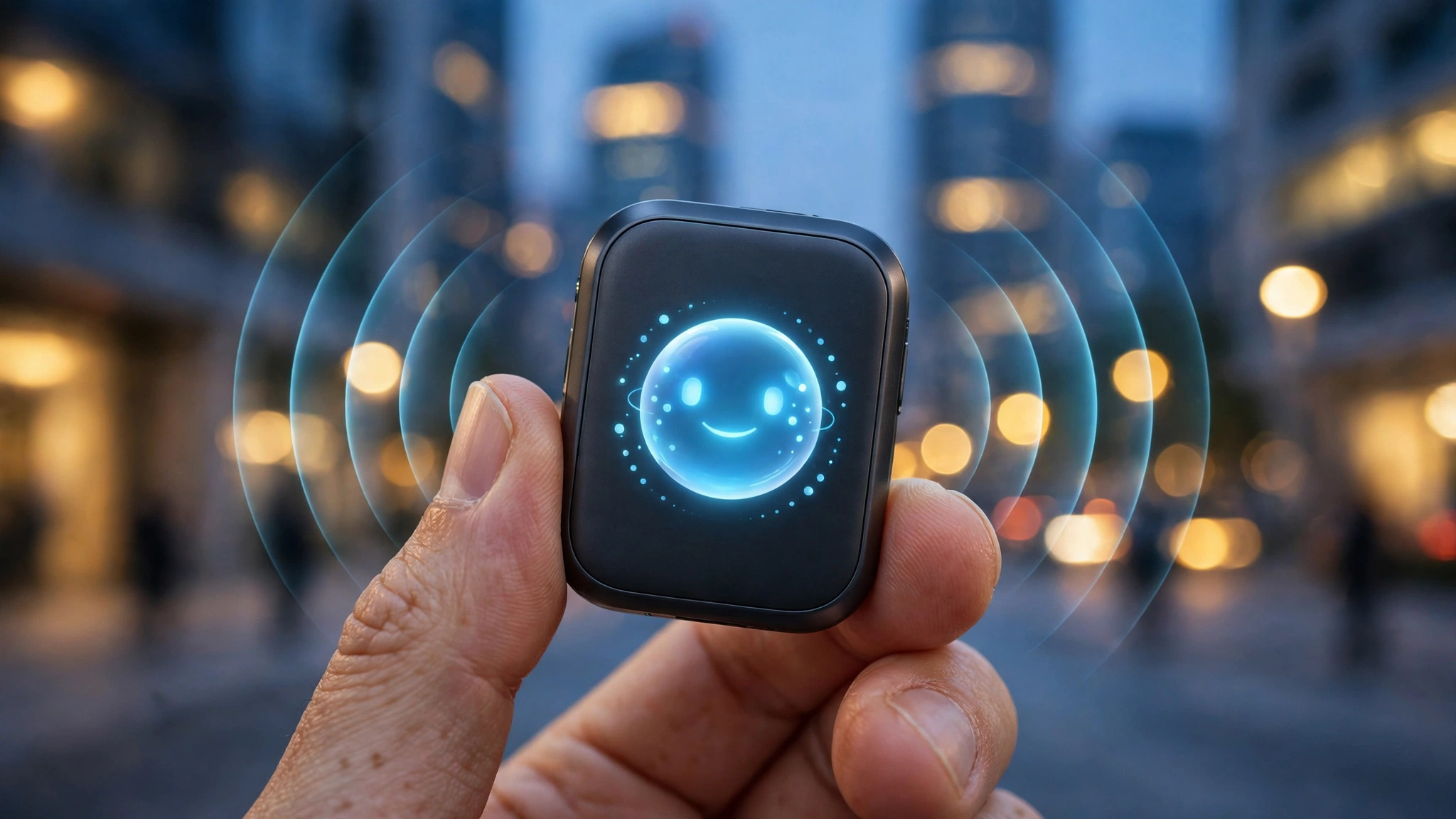
Meta's pocket-sized AI gadget finally has a price tag. The Muse Charm will cost $300, and buyers will get up to 12 months of free 5G data from Verizon, The Information reported on Thursday, November 19.
The report, carried by Reuters and The Verge, cites a person familiar with the matter. Meta has not officially announced the price, and a company spokesperson declined to confirm the figure. "We're charmed by the interest in our AI devices, and we'll have more to share soon," Meta spokesperson Tyler Yee said.
The Charm is the first dedicated piece of hardware built around Muse, Meta's AI agent, which can delegate everyday tasks such as shopping, travel booking and form-filling. Meta is expected to start shipping the device in time for the holiday shopping season in December, chief executive Mark Zuckerberg said when he unveiled it at the company's Connect event in September.
A tap, not a phone
The Charm is designed to be used without ever opening a phone. It has a roughly 2-inch screen that can be navigated with a thumb, a fingerprint sensor and a customizable Muse character at its centre. A single tap lets the wearer talk to the AI agent directly, with real-time voice and expressive avatars that respond and interrupt naturally.
A built-in 5G modem means the device can reach Muse even without Wi-Fi — which is where the Verizon bundle comes in. The free year of data removes one of the obvious frictions of a device that is always connected by design. The modem does not make the Charm a phone, though: it cannot make calls.
Meta's bid to escape Apple and Google
The price reveal says as much about Meta's strategy as it does about the gadget itself. The Charm is the centrepiece of Meta's push to reduce its reliance on Apple and Google's operating systems by building its own AI platform — a device where Muse, not an app store, is the front door.
That ambition also explains the trade-offs. The Information reported that Meta has pushed the launch of its separate smartwatch back to 2027 so it can get the Charm to market before Christmas. The company is putting its hardware focus behind the one device that carries its AI agent into the real world.
The hardware gamble
Meta's hardware record is mixed. Its smart glasses with Ray-Ban have sold well, but earlier consumer devices such as Portal were wound down, and the dedicated AI gadget category has a cautionary tale in Humane's AI Pin, which flopped after a much-hyped launch.
At $300 with a year of connectivity thrown in, Meta is clearly trying to seed adoption rather than make money on the hardware itself. The bet is that a cheap, always-on doorway to Muse is worth more than the device — if people actually reach for it instead of their phones. December will be the first real test.