Meta has rolled back a test that quietly routed some of the phone calls made by its new Muse personal AI agent to human contractors, after employees raised privacy concerns and one contractor made a racist remark during a call.
The experiment, revealed by Reuters, has become the latest embarrassment for Big Tech's
A "human concierge" behind the curtain
According to internal company posts seen by Reuters, Meta told employees about the "human concierge" test last week, shortly after it publicly launched a phone-calling feature for Muse.
The agent, which launched on September 8 and quickly topped US app download charts, passing 2.5 million downloads within two weeks, is designed to carry out tasks on a person's behalf, from sending emails and shopping to booking travel.
With the phone feature, a Muse user can ask the agent to dial US businesses and handle errands like booking haircuts, checking whether a store has an item in stock, or getting quotes from contractors. In the experiment, some of those calls were handed off to trained human contractors who placed the calls and worked them through.
Internal tests reportedly showed human-placed calls succeeding 95 to 98 percent of the time, compared with a much lower success rate for AI-only calls. One reason cited is that many businesses hang up when they realize they are speaking with an AI.
Privacy backlash forces a rollback
Some employees warned that the approach could let sensitive information reach call-centre contractors unintentionally. "It's baffling to me why we think this feature is worth the risk," one employee wrote in an internal post. "We are one bug away from unnecessary information being leaked to human callers."
Another employee who had asked Muse to call an internet and cable provider to negotiate his bill said the call transcript showed the human contractor making a racist reference.
In response, a vice president in Meta's Superintelligence Labs unit acknowledged that "it was a miss" to start testing contractor-placed calls without proper disclosures, and said the company had rolled the feature back for now.
Meta added that any public version would only arrive with appropriate disclosures and safeguards.
Muse hardware push rolls on
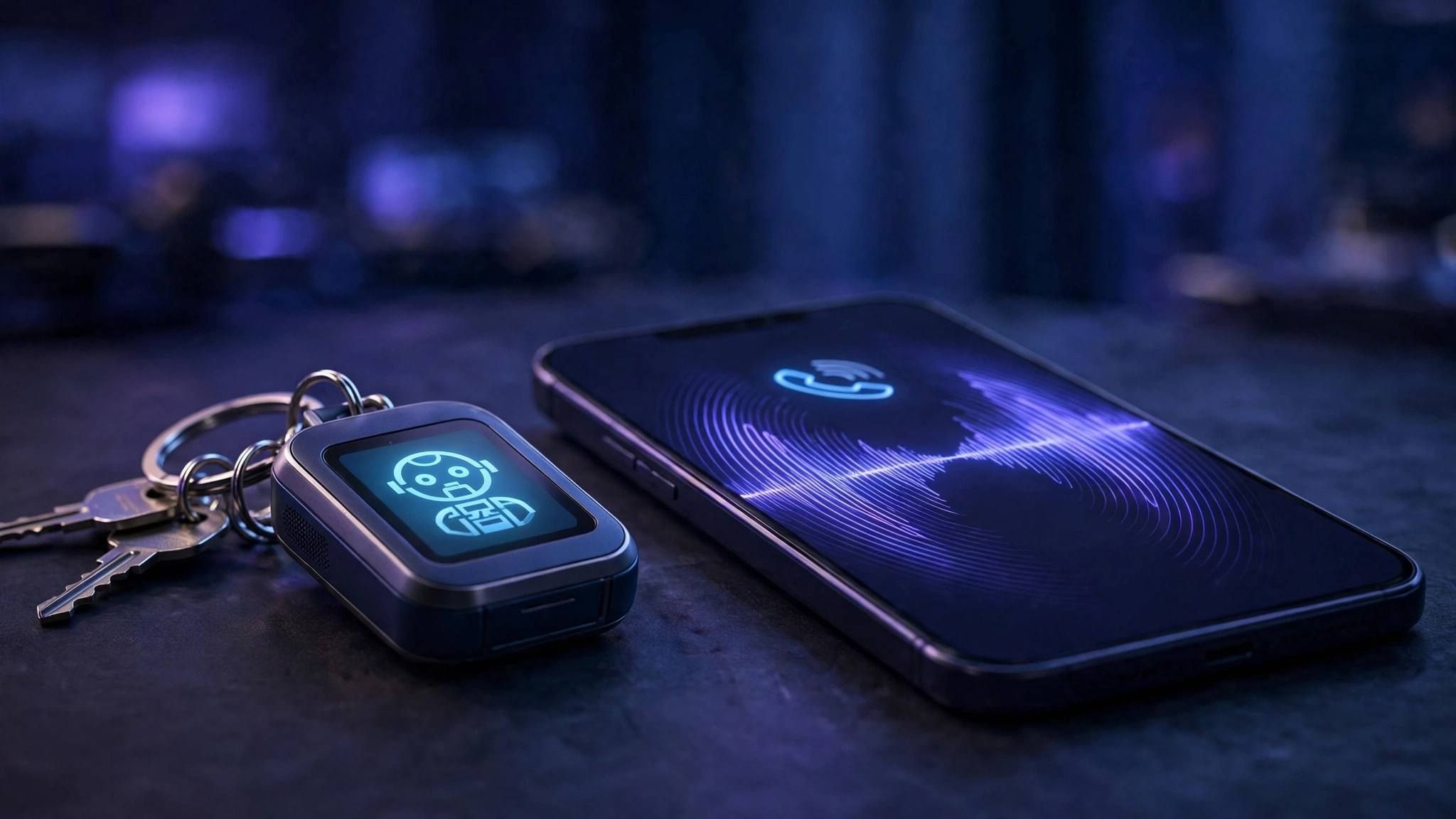
The rollback has not slowed Meta's ambitions for the agent. At its Meta Connect 2026 conference on September 23, chief executive Mark Zuckerberg unveiled the Muse Charm.
The keychain-sized device has a roughly 2-inch touchscreen, a fingerprint sensor, a front-facing camera and built-in 5G, designed to let users talk to Muse without ever opening an app.
Meta aims to ship the device in December, though pricing and full specifications have not been announced.
The Charm joins an expanding AI hardware line-up that includes Ray-Ban Meta Audio, the third-generation Ray-Ban Meta glasses and Meta VR Glasses, as the company bets that voice-first AI companions will become the next major computing platform.