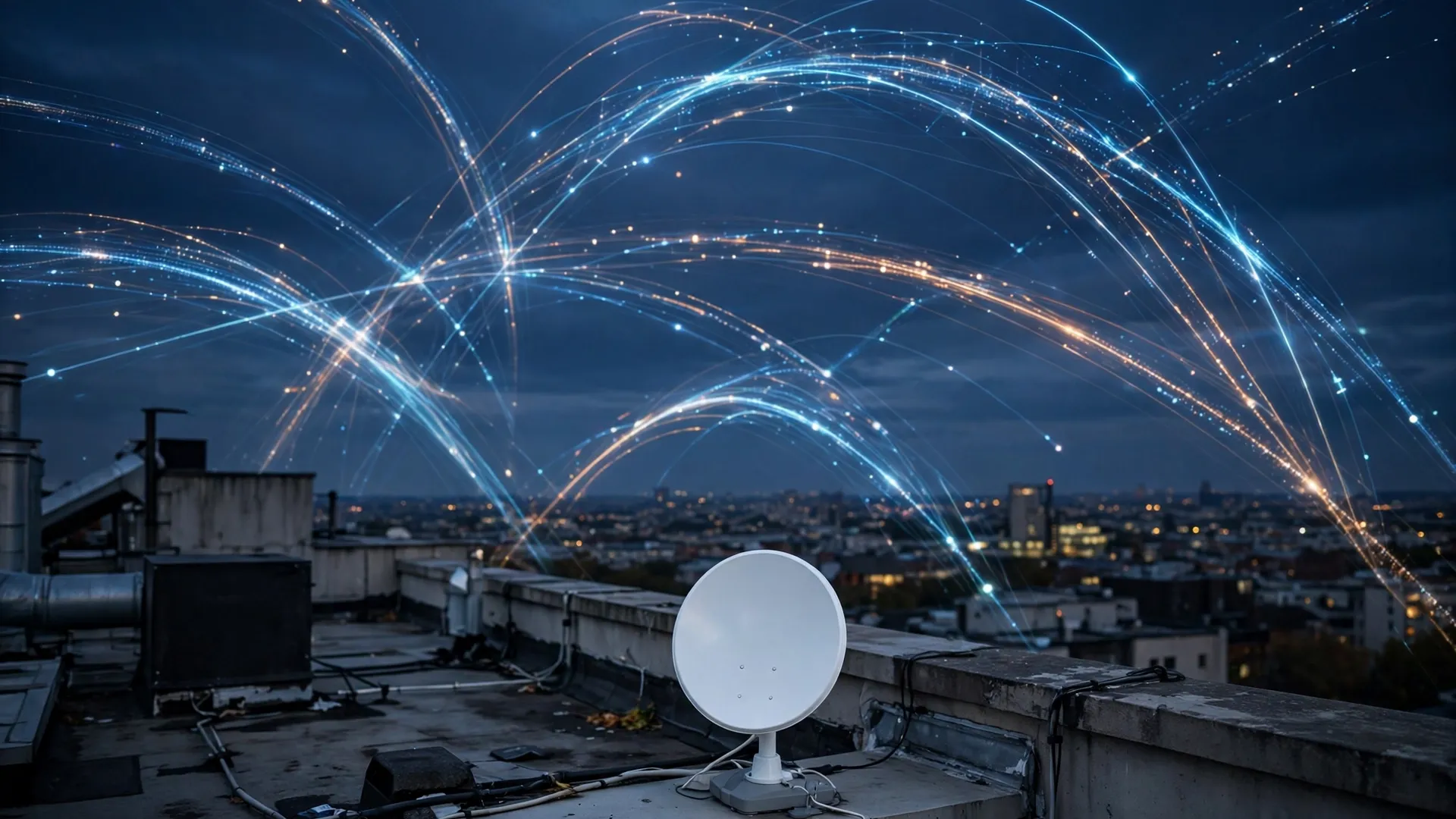
Researchers say an Israeli advertising technology company turned the online ad auction into a tracking tool for users of SpaceX's Starlink satellite internet service, bidding for ad space on Starlink traffic in more than 100 countries — including several where the service itself is banned or restricted.
The findings come from TrendAI, the research unit of Tokyo-based cybersecurity company Trend Micro. Its researchers concluded that Discover-Tech was one of the biggest sources of ads shown to Starlink users, and that the ads were likely used to geolocate or surveil them, according to six people familiar with the matter cited by Reuters. SpaceX, Discover-Tech and its chief executive did not respond to comment requests over the past two weeks.
An implausible bidding pattern
TrendAI's case rests on bidding patterns that, in its words, suggested the operation was "targeting and tracking infrastructure rather than a commercial advertising operation." Discover-Tech had become the world's leading bidder for ads aimed at Starlink users, and the number one bidder on Starlink traffic in more than 100 countries.
The skew was sharpest where legitimate advertising demand should be thinnest. The report said the entity was the top buyer of ads in Syria, Libya, Yemen and South Sudan, and the second-biggest buyer in Afghanistan, even though, as the report put it, "the demand for legitimate Western advertising in sanctioned or active-conflict states is effectively zero."
The mechanism matters because of how ad auctions work. Advertisers bid in real time for space inside people's browsers and apps, and that bidding process can leak user data back to the bidder. Over time, researchers say, a bidder can collect that leaked data, combine it with other information, and de-anonymize users — following them around the web and, in some cases, setting them up for targeting with surveillance software.
Named by others, unnamed by TrendAI
TrendAI published its report on October 15 but did not name Discover-Tech, referring to the actor only as "Shadow-Earth-79." The six sources said Shadow-Earth-79 is TrendAI's codename for Discover-Tech; researchers had discussed naming the firm but dropped the idea after executives raised legal concerns, five sources said.
The same day TrendAI's report appeared, Canadian cyber watchdog Citizen Lab and New York ad-tech firm Confiant publicly named Discover-Tech, saying it had abused the ad-bidding process. Both groups said the ads had been shown inside dozens of sensitive networks belonging to media organizations, governments and tech firms. In response to the investigations, Google, Comcast and other companies said they had removed Discover-Tech from their ad platforms.
At least one large US technology company and one international organization have since launched internal inquiries into whether Discover-Tech's ads targeted their employees, according to people familiar with the matter. TrendAI said its approach to attribution was aimed at reducing the risk of mistakes and avoiding what it called "hype-driven labels" that could mislead defenders.
Why Starlink users are a target
Finding ways to track Starlink users has become a cottage industry, as governments try to get a grip on terminals that route data through SpaceX-operated satellites rather than nationally regulated telecom firms. The terminals sidestep local internet restrictions and work in hostile areas and battlefields; Ukraine's military relies on Starlink for frontline communications and drone strikes.
May reporting by Haaretz and Intelligence Online said Israeli-owned businesses were pitching ways to identify and track Starlink users, with Haaretz saying ad data appeared to play a key role.
For now these are researchers' conclusions, not court findings — but they point to a quiet risk: the auction that decides which ad you see can also reveal who you are and where you are.