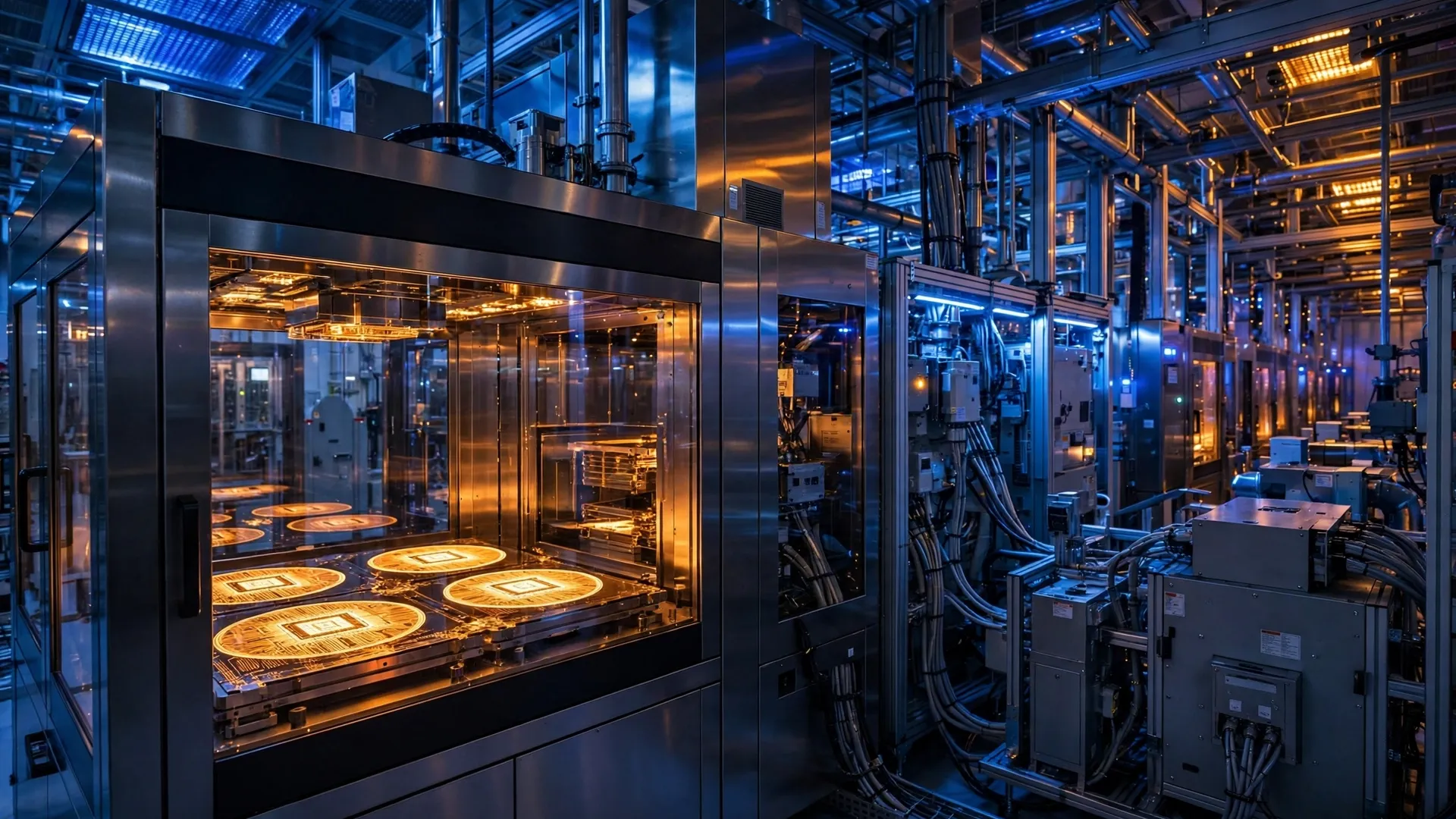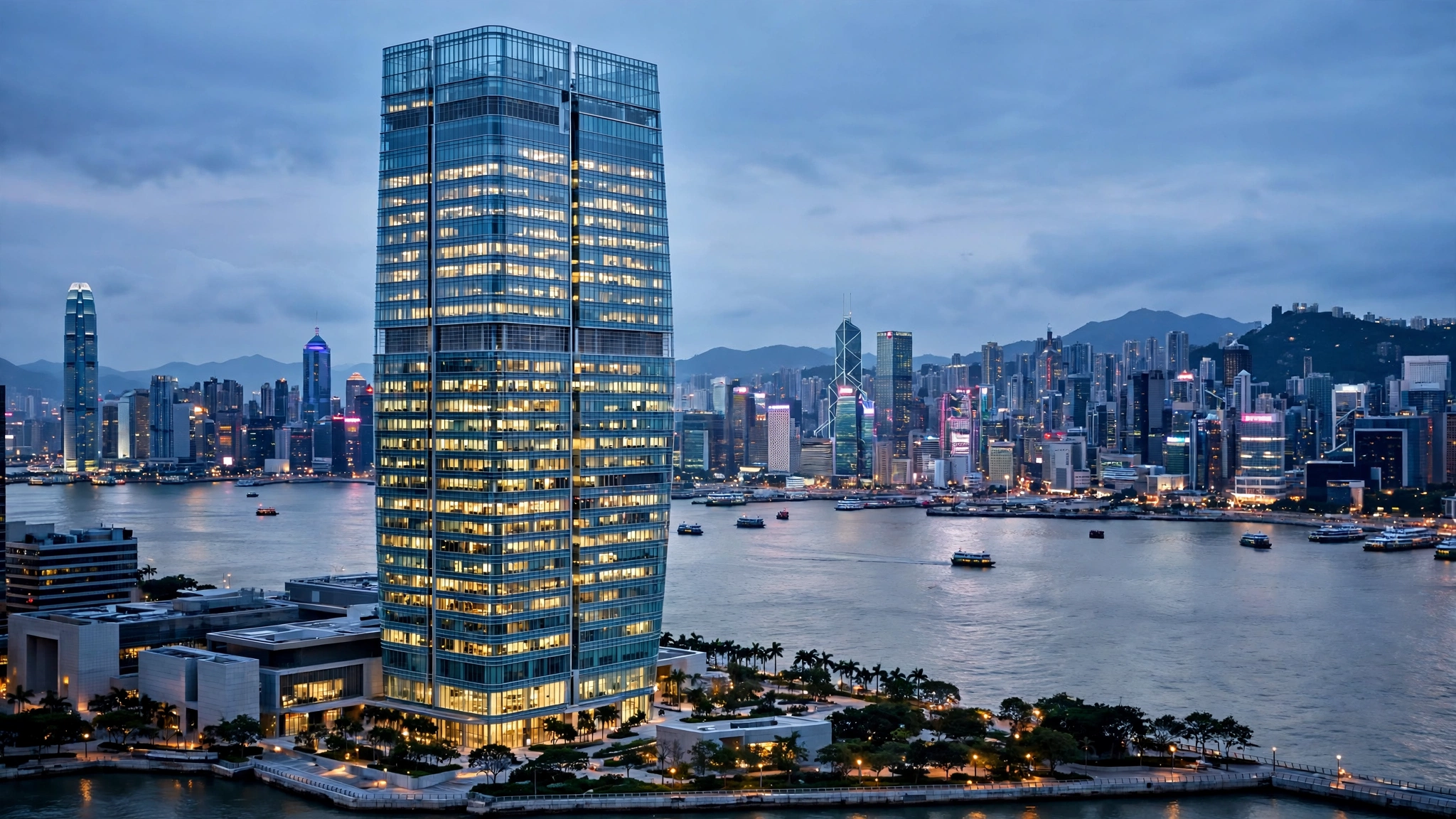
HSBC will establish a global AI and Emerging Technology Institute in Hong Kong, with operations set to begin in early 2027. Group Chief Executive Georges Elhedery announced the plan on November 2 at the start of Hong Kong FinTech Week, naming the Hong Kong University of Science and Technology (HKUST) as the institute's anchor academic partner.
The institute will pair research capabilities with technology deployment teams, with the explicit goal of moving innovations out of the lab and into practical use across the bank's operations. HSBC says the work will focus initially on artificial intelligence, including AI upskilling, AI safety and AI-enabled fraud detection, alongside engineering optimisation, post-quantum cryptography and blockchain.
What the institute will work on
Fraud detection looks like the earliest real-world test. Banks process enormous transaction volumes, and AI systems that can spot suspicious patterns faster — without wrongly blocking legitimate customers — are among the most valuable applications of the technology in finance. AI safety is the other side of the same coin: as banks hand more decisions to automated systems, they need ways to check those systems behave reliably.
Post-quantum cryptography is a longer bet. It covers encryption methods designed to survive a future in which quantum computers could break today's standards, a threat banks plan for years ahead of time. Blockchain rounds out the initial agenda, reflecting HSBC's ongoing work on tokenised assets and digital settlement.
A second Asian AI hub after Singapore
The Hong Kong institute follows a similar launch in Singapore earlier this year. In July, HSBC announced an AI centre in Singapore and plans to hire more than 100 AI specialists there. That headcount figure belongs to Singapore, not Hong Kong: HSBC has not disclosed how many people the Hong Kong institute will employ, nor how much it will invest.
The institute will initially be based in Hong Kong, then move to the city's Northern Metropolis development — a mega-project bordering mainland China — once a site there is ready. HSBC frames the location as a statement of long-term commitment to Hong Kong as a centre for innovation and research.
Why banks are building AI labs now
Hong Kong's FinTech Week underlined how fast the theme is moving. On the same day as HSBC's announcement, the Hong Kong Monetary Authority launched Project SAGE, a separate initiative exploring agent identity, delegated authority and liability as AI agents begin acting on customers' behalf. The two announcements point in the same direction: financial institutions want AI that is governed, tested and explainable, not just powerful.
For now, though, the Hong Kong institute is a plan rather than a result. HSBC has given no investment figure, no staffing target and no detailed research timetable, and the announcement cites no measured fraud-prevention results. Those details should become clearer as the early-2027 launch approaches — and the institute will ultimately be judged on the tools it puts into the bank's daily operations, not on the announcement itself.