By Hamza Faisal
Hackers no longer need your password to break into your accounts. Security researchers warn that session cookies — the small files that keep you logged in after you sign in — have become the primary target for fraudsters, and a stolen cookie can hand over your bank, email or shopping account without triggering a single login alert.
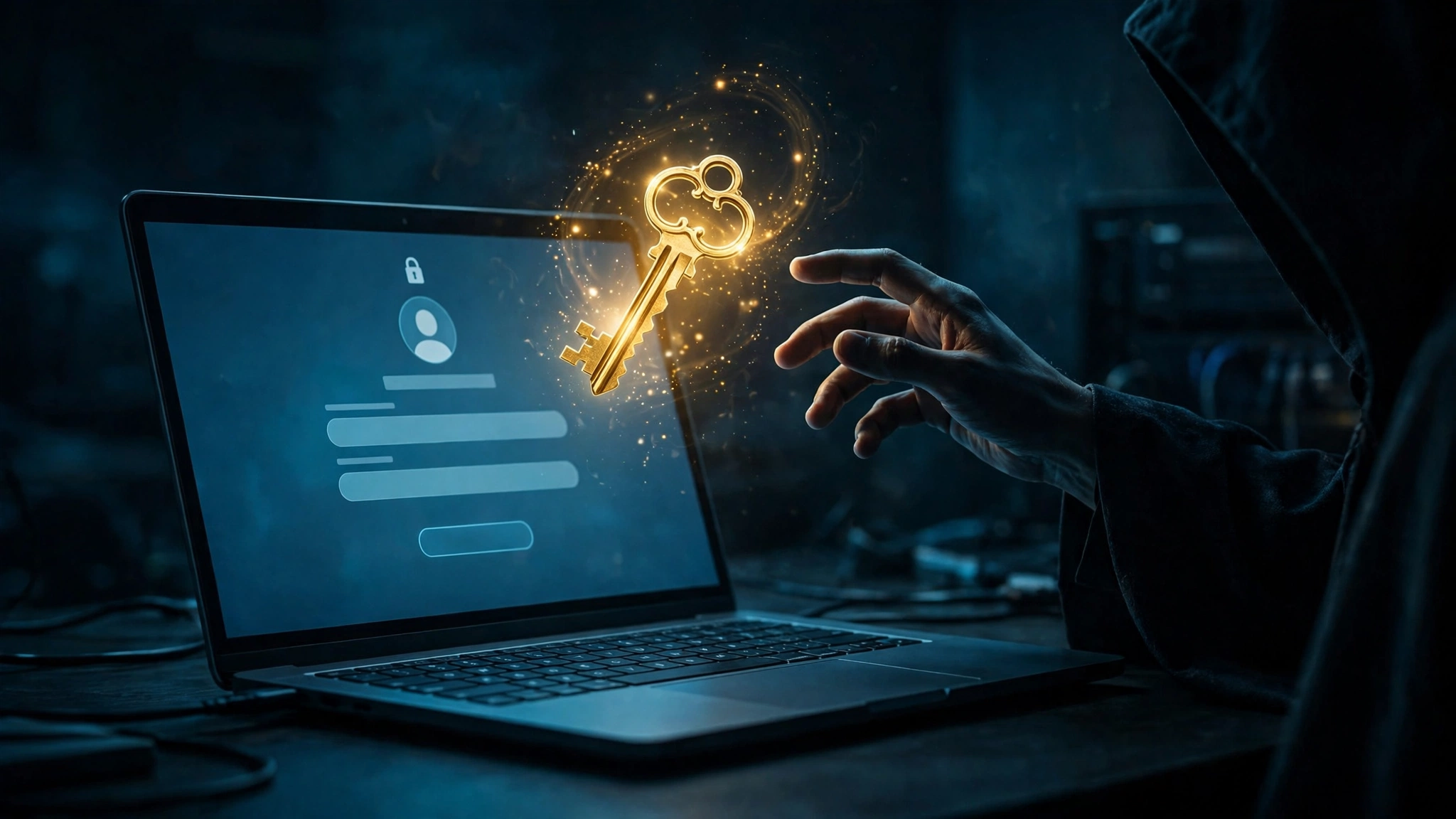
Every time you log in to a website, the site stores a unique session cookie on your device so you can move between pages without re-entering your credentials. That cookie acts as a digital key: as long as the session is active, whoever holds it is treated as you. Researchers say billions of compromised cookies are now circulating online, traded and sold long after they were stolen.
Why a stolen session beats a stolen password
A password theft still leaves hurdles in the attacker's way — a login screen, a suspicious-location warning, a multi-factor authentication prompt. A stolen session skips all of them, because the login already happened. "Once that malware is on your device, it goes straight for your browser's database, grabs all those active session cookies, and sends them back to the hacker," Marijus Briedis, chief technology officer at cybersecurity firm NordVPN, told The Guardian. "They're essentially reaching into your digital pocket and grabbing your keys while you're not looking."
The cookies are usually harvested by malware. Victims are tricked into downloading a malicious file — often disguised as legitimate software or a browser extension — which then searches the browser's database for active sessions and sends them to the attacker. From that point, the attacker can browse as the victim, with no password entry and no "new login" notification to give the game away.
What attackers do with a hijacked session
The damage depends on which session is stolen. With a bank session, fraudsters can access the account directly or gather personal details for an impersonation scam. With a shopping account, they can redirect orders to a different address and charge saved payment details. With an email or social media session, they can scam the victim's contacts, who trust messages coming from a familiar account.
Victims often do not realise anything is wrong until much later. Some receive a security alert asking about unusual activity; others only discover the compromise after spotting unauthorised charges or changes to their account. That delay is part of what makes session theft so effective — by the time the victim reacts, the attacker may have finished.
How to make your sessions harder to steal
The first line of defence is keeping the malware off your device in the first place: scrutinise software and browser extensions before installing them, and watch for warning signs of infection such as sudden slowness, rapid battery drain, frequent crashes or strange browser behaviour like unexpected pop-ups and a changed homepage.
Daily habits matter too. Avoid logging in to sensitive accounts over unsecured public Wi-Fi, make a habit of manually logging out of accounts instead of just closing the tab, and clear your cookies regularly so there is less live session data to steal. A dedicated password manager is safer than passwords stored in the browser, and multi-factor authentication remains worth enabling on every account that offers it.
If you suspect a compromise, act fast: run an antivirus scan, log out of all your accounts on every device, change your passwords, and contact your bank immediately about any suspicious payments. A stolen session cannot be undone by changing a password alone — the session itself has to be killed.
By Hamza Faisal


