WASHINGTON — FBI and US Coast Guard investigators have found evidence that hackers accessed the propulsion system of an oil supertanker as it approached the Texas coast this summer, according to US officials familiar with the matter — an extraordinary breach that highlights the growing physical risks posed by cyberattacks on critical shipping.
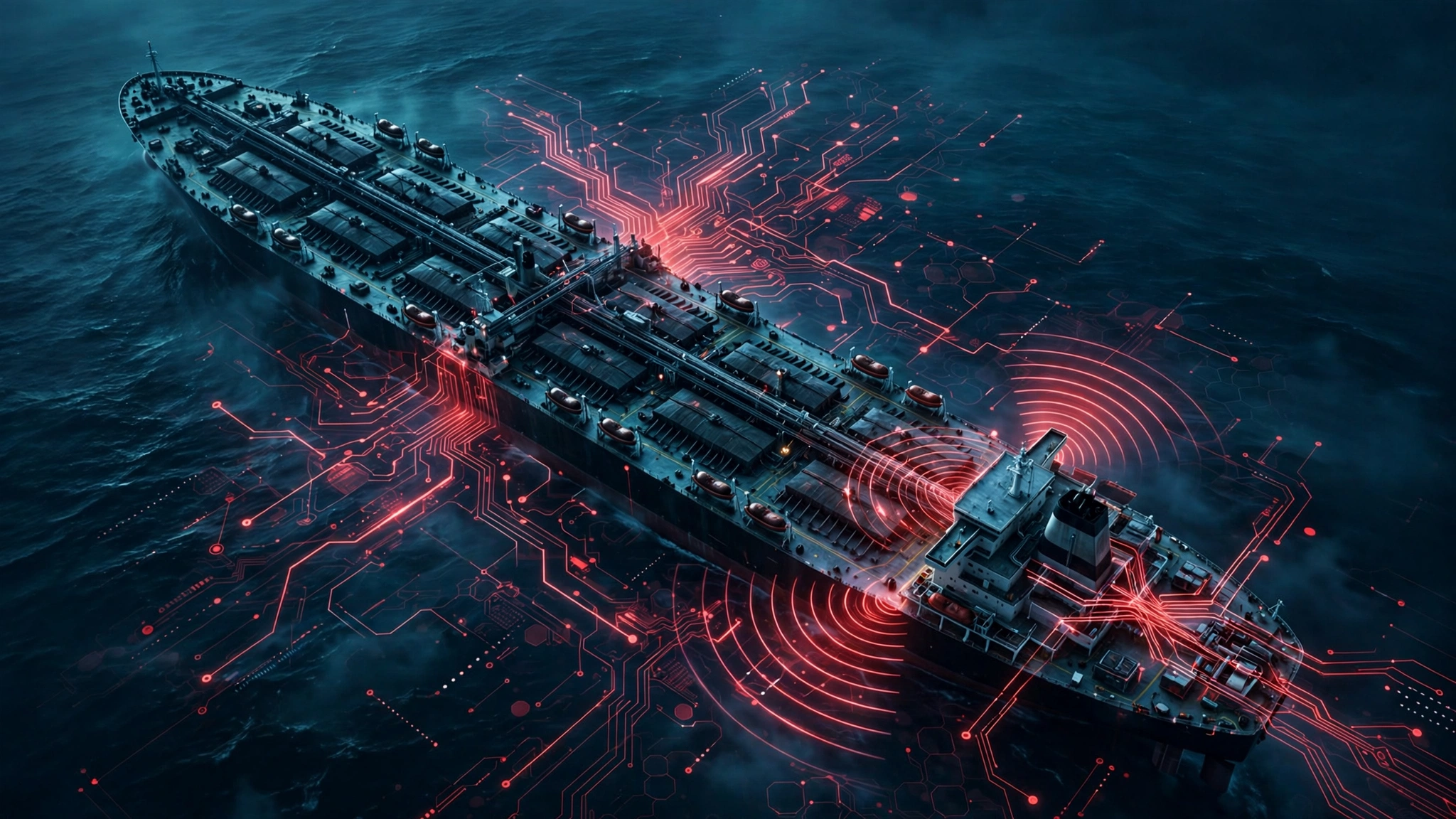
The cyberattack gave outsiders temporary access to the digital systems aboard the VL Prosperity, a carrier longer than the Chrysler Building is tall and as wide as an American football field.
The fully laden supertanker, capable of carrying more than two million barrels of crude, was bound for Galveston when the intrusion was detected.
Officials are still examining how the breach occurred and who was responsible, and it remains unclear how long the hackers had access or what exactly they could have controlled aboard the ship.
A rare and deeply invasive hack
The breach of the tanker's propulsion system was a rare and particularly invasive hack into a ship's operations. It was the urgency surrounding this intrusion that led US authorities to board the VL Prosperity in late August, Bloomberg News reported.
Between August 21 and 24, a joint team of Coast Guard cyber specialists, law enforcement officers, a vessel inspector and FBI Cyber Action Team operators boarded the vessel in the Gulf of Mexico and remained aboard for four days. A second US-bound vessel was boarded the same month over a suspected cyberthreat.
In a joint statement, the two agencies said the boardings were "to ensure integrity of the vessel's operational and information technology systems following indications that the networks of both vessels were compromised," adding that "currently, there are no reports of operational disruptions, vessel instability, physical danger to crews, or environmental impacts."
According to Iranian media cited by CBS News, the tanker was compromised on August 7 while traveling from Egypt to the United States, with hackers interfering with its speed and fuel systems and cutting off communications for more than a day.
Rob Lee, chief executive of industrial cybersecurity firm Dragos, said the technical details in that account were plausible and consistent with how such systems could realistically be manipulated, while cautioning that attribution has not been established.
US authorities have stopped short of attributing the attack, though Rear Admiral Amy Grable, who commands US Coast Guard Cyber Command, confirmed responders uncovered signs of malicious cyber activity once they began examining the ship's systems.
Why the intrusion alarms Washington
The prospect of unknown hackers being able to remotely access the operational systems of such a vessel has alarmed US military and intelligence officials.
It would be the "worst-case scenario" for a large vessel carrying hazardous material to lose some of its functions in a cyberattack, said Svante Einarsson, head of cybersecurity at ship technical advisory firm DNV, though he noted most vessels can fall back on other systems that let crews continue operations.
"These are the largest moving objects in the world transporting the world's economy," said Alex Soukhanov of maritime cybersecurity firm True North Group, who is also a licensed ship captain."We just can't have this type of unauthorized access. Every mariner should be extremely concerned." By
"We just can't have this type of unauthorized access. Every mariner should be extremely concerned." By September, US government agencies were tracking cyberthreats against nearly 20 shipping vessels around the world, and the Coast Guard has asked for advance notice if any of those ships plan to come into a US port.
The Prosperity remains anchored offshore Galveston, according to shipping data compiled by Bloomberg.
Maritime cyberattacks are escalating
The incident highlights warnings about cyberattacks targeting the maritime sector, which have escalated in recent years as shipping vessels become increasingly dependent on network-linked systems for navigation, communications and other operations.
Tankers typically have complex networks sprawling the span of the vessel to aid with navigation, organize cargo and keep essential services running.
For now, the investigation continues. The FBI declined to answer questions beyond its earlier joint statement, and the Coast Guard declined to comment.
No group has been publicly blamed, and officials have not said whether the hackers' access to the propulsion system extended to the ability to alter the vessel's movement — but the episode has already made clear that the line between digital intrusion and physical danger at sea is getting dangerously thin.