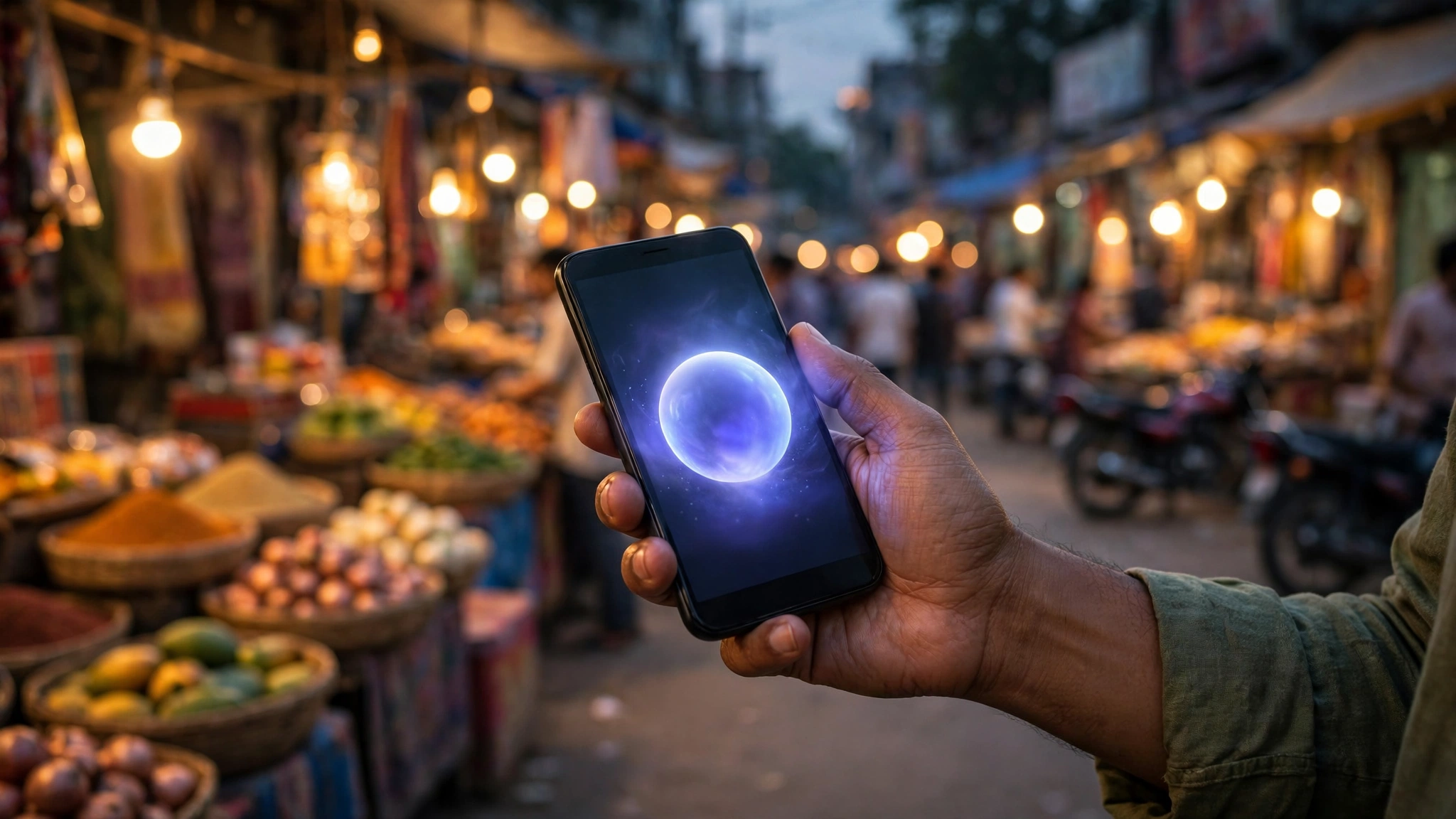
Google has rebuilt its Gemini app to run on the cheapest Android phones on the market, bringing its AI assistant to devices with as little as 2GB of memory. The company announced the change on Wednesday, November 18, saying it re-architected the app so the core Gemini experience runs smoothly on hardware that could previously manage only basic voice commands.
For hundreds of millions of people, a lower-memory phone is not a second device — it is the day-to-day connection to the internet, education and business. Until now, those users were locked out of the full Gemini experience. Google says that changes now: eligible Android (Go edition) phones can download the app from Google Play or open it by long-pressing the power button, and upcoming devices from partners including Transsion — the maker of Tecno, Infinix and itel phones — will ship with Gemini preloaded.
What budget phones actually get
The rebuilt app brings most of the flagship Gemini experience to entry-level hardware. Owners of eligible phones get Gemini Live voice chats in more than 45 languages, camera-based help that can read and translate what the phone sees, and image creation powered by Nano Banana, Google's image model. Gemini replaces Google Assistant on Android Go edition, taking over as the phone's built-in assistant.
There are limits. Google's help page says the “Hey Google” wake phrase and the “Ask about this screen” feature do not work on Android Go devices, and users must be signed in with a Google Account enabled for Gemini Apps. The company has not shared speed figures, and phones with only 2GB of RAM may still feel slower when several apps are open. Gemini also needs an internet connection, so data costs can add up on a limited plan.
Why Google is chasing the cheapest phones
The move is part of a wider push to put Gemini in front of as many people as possible, not just flagship buyers. Google released Gemini Go, a streamlined assistant inside the Google Search app, for Android Go devices in June 2026. The new standalone app goes further, and it arrives in the same month Google made its Gemini 4 Carbon model available to developers and launched Gemini 4 Neon for coding and complex analysis.
The timing also fits the market. Premium features typically take 18 to 24 months to reach mid-tier devices and longer still to arrive on budget hardware. By rebuilding Gemini for 2GB phones within months of its flagship launch, Google is compressing that timeline — and betting that the next wave of AI users will come from the entry-level market, not the flagship one.
The catches
Google has not published a list of eligible devices or a rollout timetable, and the help page notes the app is rolling out gradually, so it may not appear on every Android Go phone yet. The company also has not explained how the rebuild works under the hood, only that the app was re-architected for low memory and low storage. For users on the cheapest phones, the advice is simple: check Google Play on the device itself before assuming new hardware is needed.