France has formally accused Iran's Islamic Revolutionary Guard Corps of carrying out the cyberattack that sent supermarket refrigerator temperatures soaring across the country last month, calling it the first large-scale cyber sabotage campaign ever mounted on French soil.
Foreign Minister Jean-Noël Barrot said on Monday that the attack, which hit more than 700 stores on October 11 and 12, was "unprecedented in its scale and level of aggressiveness." France has summoned Iran's ambassador and will seek sanctions against those responsible at a European level.
"I can confirm that this attack was carried out by the Islamic Revolutionary Guard Corps of the Islamic Republic of Iran," Barrot said, speaking on the sidelines of G7 talks in Paris.
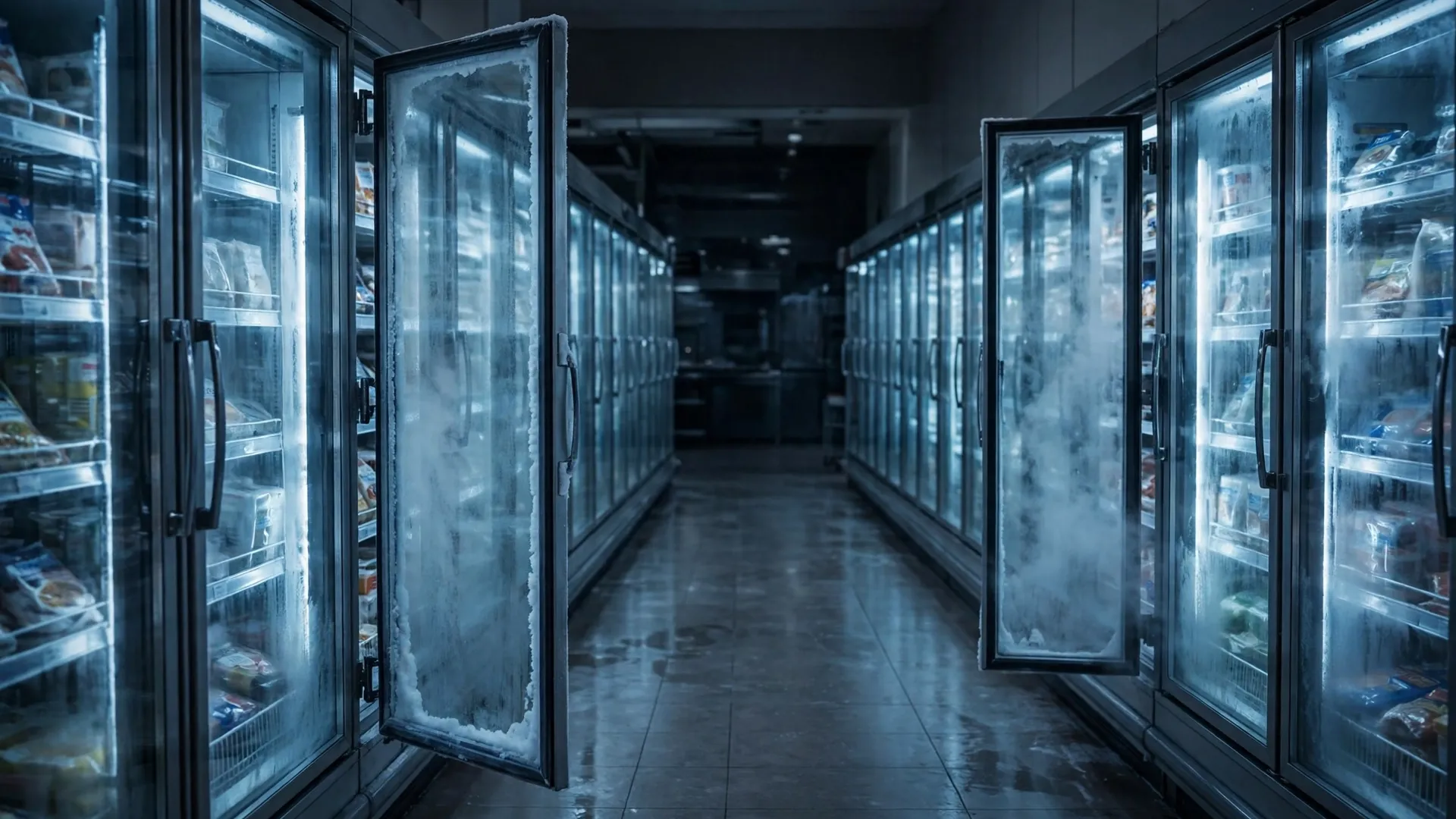
The attackers broke into the internet-connected systems that control supermarket refrigeration and switched on defrost cycles overnight, pushing temperatures as high as 50 degrees Celsius. Food worth tens of millions of euros spoiled, and the malfunctioning units started at least 15 fires, according to France's cyber crisis coordination centre.
Among the chains hit were E-Leclerc, Intermarché, Carrefour, Monoprix, Coopérative U, Casino and Metro.
The evidence behind the accusation
France's national cybersecurity agency, ANSSI, attributed the attacks to Shahid Kaveh, an offensive cyber unit affiliated with the Revolutionary Guard's electronic and cyber centre. The unit is better known by its hacktivist persona, CyberAv3ngers.
Investigators pointed to shared attack infrastructure and tools, traces of the Persian language in the systems used, and amplification of the attack by a propaganda outlet linked to the unit. Paris prosecutor Laure Beccuau said the evidence also included IP addresses pointing to devices located in Iran.
Prosecutors have opened a judicial investigation into the head of Shahid Kaveh, named by French officials as Reza Salarvand, and his two deputies, and have requested international arrest warrants for them.
Iran has not commented on the allegations.
A first for French soil — and a wider pattern
The French foreign ministry said the campaign was "the first cyber offensive campaign carried out purely for the purpose of sabotage on national territory," adding that the attacks were "unjustifiable, inexcusable and violate international law."
French authorities say Iranian cyber operations targeting French interests date back to at least 2020, citing the 2023 hacking of satirical magazine Charlie Hebdo and attempts to disrupt the 2024 Paris Olympic Games.
A similar wave of freezer attacks hit supermarkets in at least nine other European countries, including Sweden, Belgium and Ireland, on November 2. French officials have not said whether that second wave is linked to Iran, and Barrot spoke only about the French case.
What happens next
France says it will use "all available means of response, including within the European Union and alongside its European and international partners," to deter further attacks. Barrot said Paris would push for sanctions against the individuals and entities responsible.
The case also underlines a wider warning from Western security agencies: on November 5, the United States' CISA and the FBI published a fact sheet on the same kind of attack against industrial refrigeration systems, urging operators to secure the controllers that keep food cold.
For supermarkets, the lesson is blunt. The systems that keep shelves stocked were never designed to withstand a state-backed attack — and the bill for that gap is now measured in spoiled food, burned-out stores and a diplomatic crisis.