By Hamza Faisal
France asked its four biggest telecom operators to be ready to temporarily block TikTok, Instagram, Snapchat and X during protests this weekend, according to a report by French investigative outlet Blast — a plan the carriers themselves told the government they may not be able to carry out on short notice.
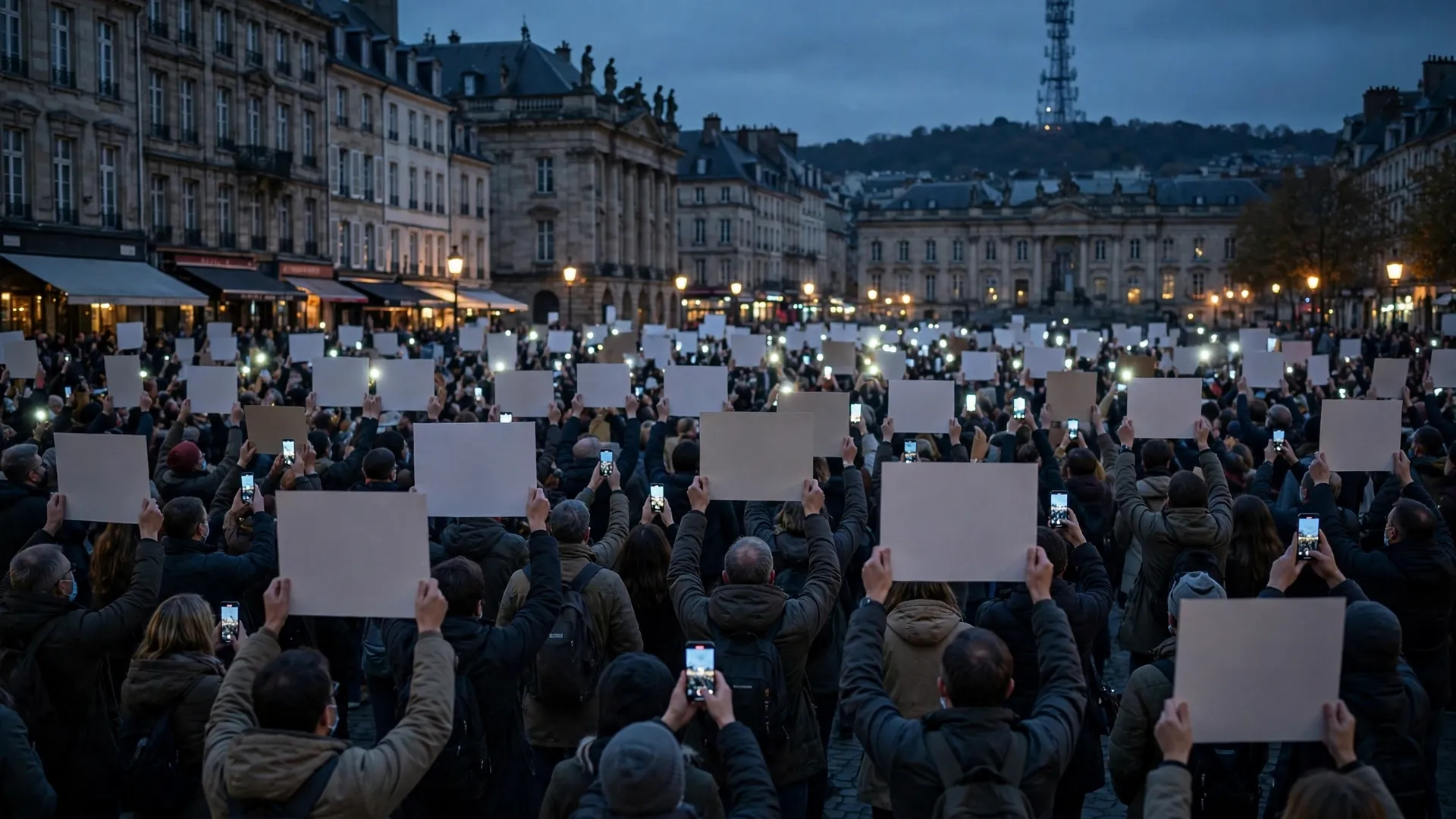
Prime Minister Sébastien Lecornu sent a letter on Thursday to the heads of Orange, SFR, Free and Bouygues Telecom, asking them to prepare to suspend access to the platforms in the event of what the letter called recurring urban violence, multiple outlets reporting on Blast's findings said. The request came ahead of renewed Yellow Vests demonstrations on Saturday against the rising cost of living.
What the government asked for
According to Blast, the letter asked operators to be able to block the apps through DNS filtering, with any suspension lasting a few hours and activated ahead of planned demonstrations on the weekend of October 24 and 25. The government later sought to add X, owned by Elon Musk, to the list after the letter was sent.
In a 70-minute videoconference on Friday, officials from the General Secretariat of the Government, the prime minister's office and the Directorate General for Enterprises met the operators' legal directors to discuss implementation. According to meeting minutes cited by Blast, the government proposed limiting any restrictions to mobile networks and specific geographic areas, rather than nationwide blackouts.
Lecornu's letter argued that social media had played a central role in the unrest. "Clearly, several social media platforms played a decisive role not only in the crystallisation and viral spread of unlawful slogans but also as tools for the operational coordination of violence during the demonstration," he wrote, referring to protests earlier in October.
Carriers push back on feasibility
The operators pushed back. In the meeting, they said they lacked the technical capacity to deploy such measures on short notice, and warned that restrictions would be of limited effect because users could turn to VPNs or alternative messaging services to get around them.
The government has not responded publicly to Blast's report, and it is not clear whether any block was actually activated during the weekend's demonstrations. The episode nonetheless marks an unusually explicit example of a Western democracy preparing to switch off mainstream social platforms during domestic protests.
A precedent France has used before
France has restricted a social platform during unrest before. In 2024, the government blocked TikTok in New Caledonia, a French territory in the South Pacific, during protests there. France's Council of State overturned that decision in 2025, ruling against the government's authority to restrict platform access in the territory.
The latest request follows a mobilisation day on October 17 that led to severe unrest and more than 1,000 arrests, according to reports. The Yellow Vests movement, named for the high-visibility vests worn by demonstrators, returned to the streets on Saturday to protest rising living costs, with authorities detaining around 1,000 participants.
What happens next will test both the technical limits the carriers flagged and the legal ones set by the Council of State's ruling. For now, the plan stands as a reported contingency — prepared, discussed, but not publicly confirmed as ever having been switched on.
By Hamza Faisal