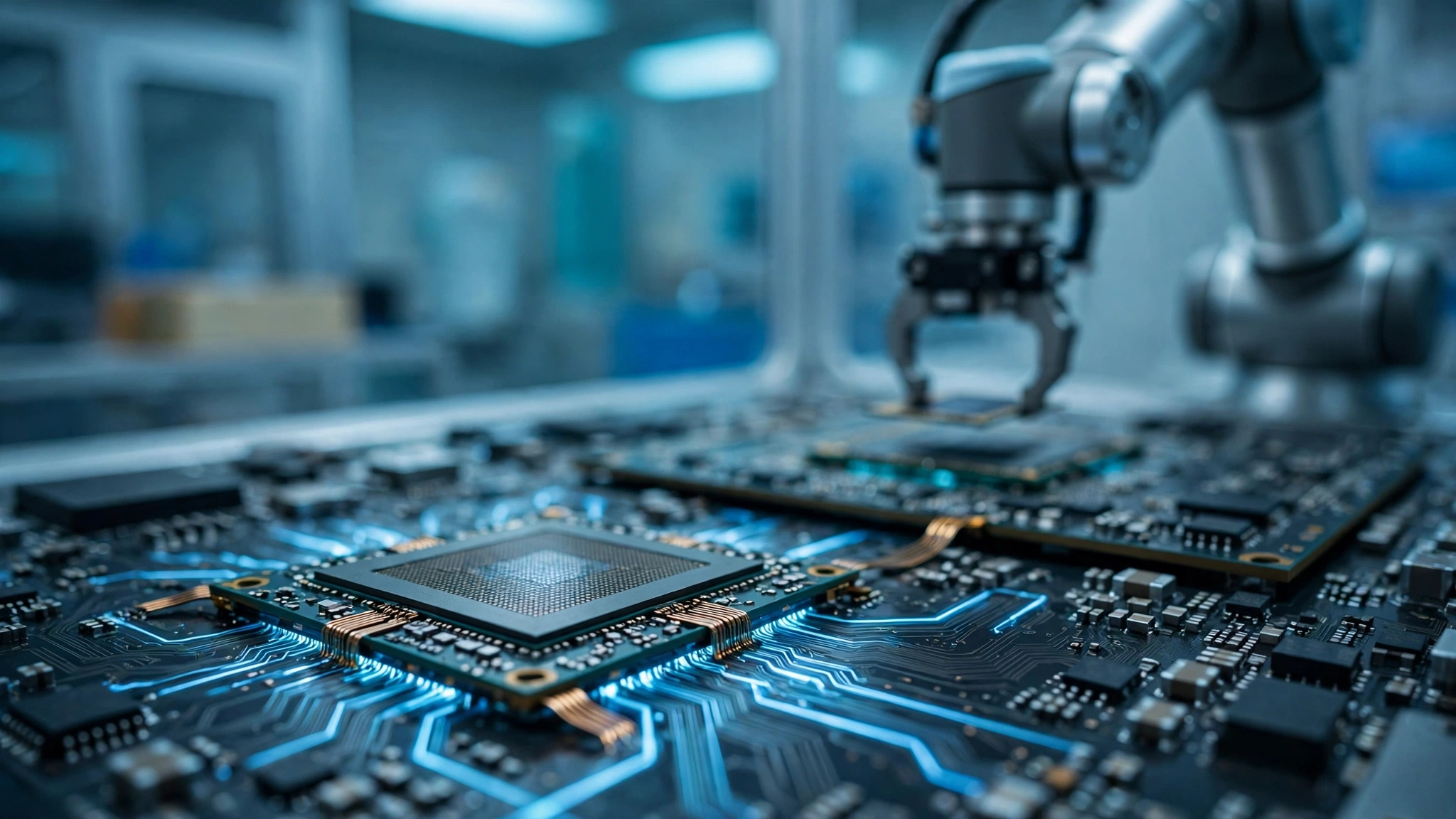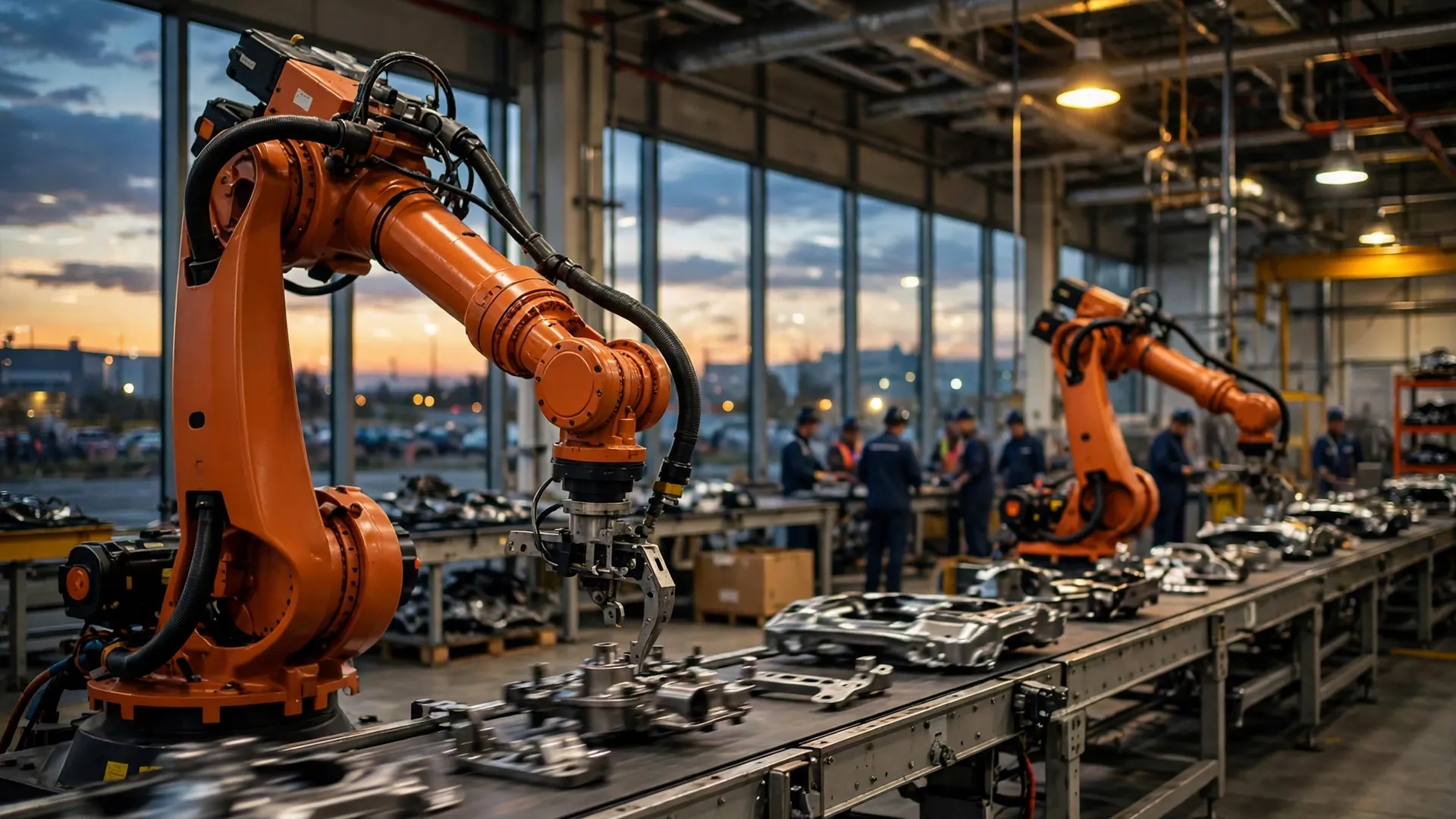
Chicago-based Formic has raised $50 million in growth capital to scale its physical AI platform across American manufacturing, betting that the hardest problem in robotics is no longer building a smarter robot, but getting one to work reliably on a real factory floor. The company announced the financing on October 22, 2026, describing it as a Series B round led by Mercato Partners, with participation from Light Ray Ventures, Lightscape Partners, Citi and other new and existing investors, alongside debt financing from S2G Investments.
Formic, founded in 2020 and led by chief executive Saman Farid, calls itself a commercialization platform for physical AI. Rather than selling robots outright, it supplies them through a Robot-as-a-Service model that bundles equipment, deployment software, field operations, maintenance, financing and performance monitoring into a single monthly payment, so manufacturers can add automation without the capital cost and complexity of building a robotics team in-house.
From single tasks to general-purpose robots
The new funding will accelerate Formic's shift from task-specific automation to general-purpose robotics. Until now, its fleet has largely handled defined jobs such as palletizing, case packing, machine tending, kitting and assist work. The company says the same platform, built on years of operating data, can now support a broader range of robots performing increasingly complex tasks across industries, with each deployment improving the next.
That operating record is the core of its pitch. Formic says its robots have logged more than 750,000 hours of live production across more than 100 facilities in over 30 states, running at 99.6 percent uptime, with 97 percent of customers renewing. Its customers span food and beverage, consumer packaged goods, chemicals, aerospace, defence and packaging, sectors where downtime is expensive and labour shortages have made automation a practical necessity rather than a futuristic experiment.
Why factories are the hard part
As AI models and robot hardware improve, Formic argues, the bottleneck has moved from the laboratory to the loading dock. A robot that performs well in a demonstration still has to survive dust, shift changes, variable product sizes and the daily realities of a working plant. Deploying, servicing and financing machines in those conditions, and proving they produce measurable output shift after shift, is a different challenge from building a prototype.
Formic is also working with Physical Intelligence to combine robotic foundation models with the production data and operating experience from its installed fleet, including task performance, operating conditions and corrective actions. The idea is that real-world factory data can help future deployments improve faster than models trained only in simulation, closing the gap between what a robot can do in a lab and what it reliably does on the line.
What the money buys
The company plans to use the capital to strengthen its AI and robotics capabilities, expand into new applications such as metal fabrication, and deepen its work in aerospace, space, defence, medical, energy and the broader United States industrial base. The goal, it says, is to let more manufacturers grow domestic production capacity without taking on the full cost and risk of traditional automation.
Whether general-purpose factory robots arrive as quickly as their backers hope remains an open question, and Formic's model will be judged on the same measures as any industrial supplier: uptime, output and renewal. For now, its $50 million raise is a clear signal that investors are willing to fund the unglamorous middle of the robotics boom, the deployment, servicing and financing work that turns a capable machine into a productive one.