By Hamza Faisal
Autonomous flight has a new unicorn. Reliable Robotics, the Mountain View startup building self-flying systems for conventional aircraft, announced on Monday that it has raised $115 million in new capital — an extension to its previously announced $160 million Series D that pushes the company's valuation past $1 billion.
The new money is a mix of $90 million in equity led by returning investor Nimble Partners and a $25 million term loan from Silicon Valley Bank, bringing the total Series D to $275 million. New investors include Gideon Capital, RockCreek, Geek Ventures, Gold Hill Capital and Sparkwave Capital, alongside returning investor Island Green Partners. To date, Reliable has raised more than $380 million.
The company says the cash will go toward expanding its fleet of test aircraft and production facilities, and rapidly scaling its engineering team as it inches toward the prize the entire business hangs on: certification from the Federal Aviation Administration.
Why aviation is the hardest autonomy problem
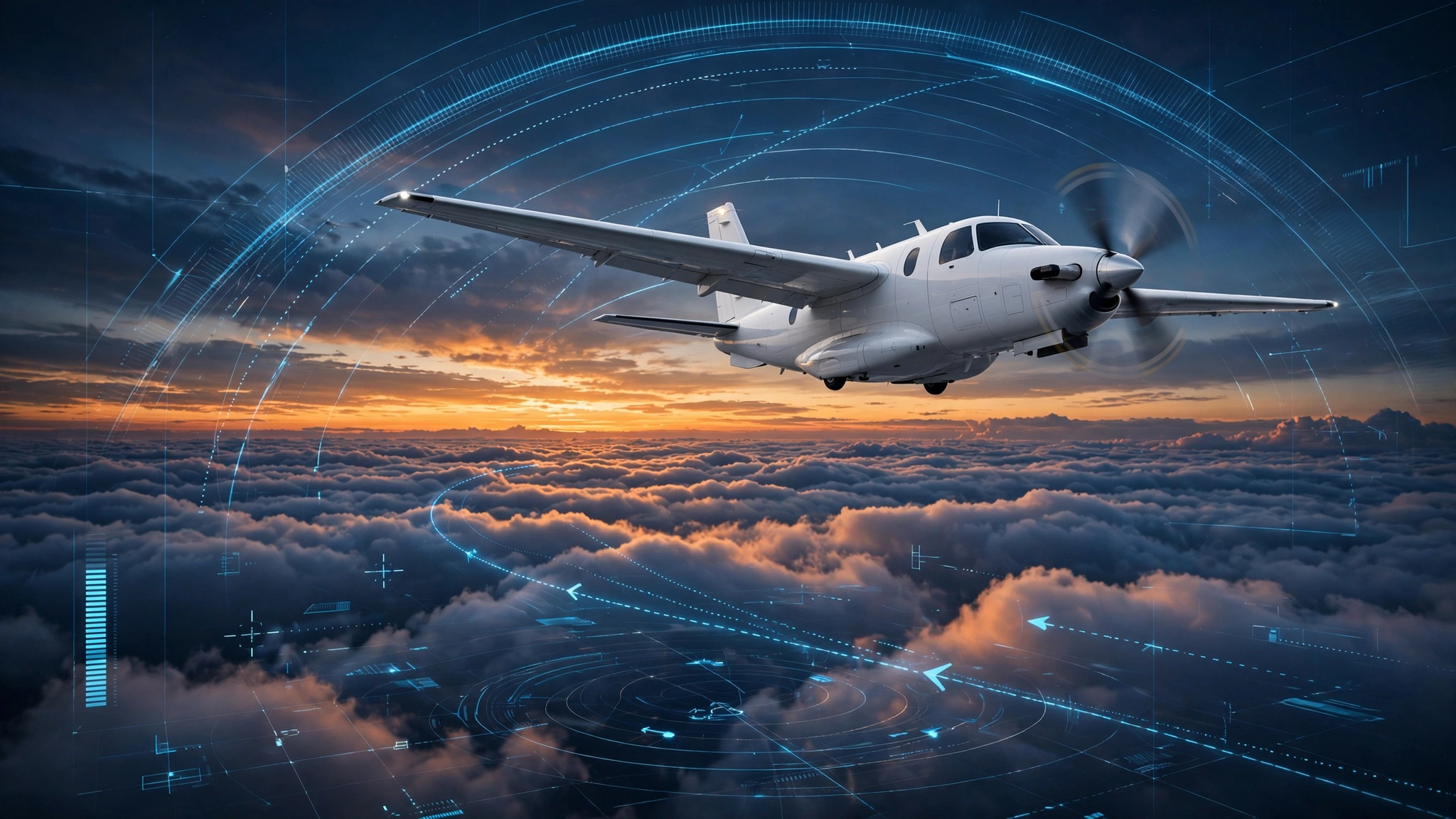
Unlike self-driving cars or delivery drones, Reliable isn't building new vehicles. Its Reliable Autonomy System — RAS for short — retrofits existing certified aircraft, automating engine startup, taxiing, takeoff, landing and the full enroute portion of a flight. A second system, Reliable Radar, is designed to prevent the leading causes of aviation accidents: loss of control and controlled flight into terrain.
The pitch to regulators is as important as the pitch to pilots. The company says the system integrates with existing aviation infrastructure and certified aircraft, requiring no changes to the National Airspace System — a critical point in one of the world's most tightly regulated industries, where every new technology must survive years of FAA scrutiny.
"We continue to make steady progress and deliver evidence to the FAA and every day, we inch closer and closer," said Robert Rose, Reliable's co-founder and CEO. Rose previously served as director of flight software at SpaceX, with earlier stints at Tesla and Google. Co-founder and CTO Juerg Frefel also spent nearly a decade at SpaceX as an engineer.
A first product that keeps the pilot in the seat
Reliable's first commercial system, called continuous autopilot engagement, is deliberately incremental: it handles engine startup, taxiing, takeoff and landing while the pilot remains in the aircraft, interacting with the autonomy system through a touchscreen. Rose expects certification for that first system within 18 to 24 months.
The company is pursuing FAA certification on four linked fronts, all building toward fully uncrewed commercial cargo flights — the end state that would let operators move freight with no pilot on board. Cargo is the obvious first market: no passengers, simpler safety cases, and a cargo industry already struggling with pilot shortages on regional routes.
Investor appetite for physical AI keeps climbing
Reliable says the round was upsized from the original $160 million Series D due to increased investor demand — a signal that appetite for "physical AI" companies is still growing even as software valuations cool. Autonomous aircraft startups have attracted steady capital this year, but Reliable's certified-automation approach stands apart from the drone and air-taxi crowd: it is focused on fixed-wing aircraft, not new vehicle types.
Crossing $1 billion puts Reliable in rare company for aviation startups, and the fresh $115 million gives it a longer runway for the certification marathon ahead. In an industry where moving toward certification is itself progress, steady evidence — and steady funding — is the whole game.
By Hamza Faisal