By Hamza Faisal
Etsy is drawing a hard line against AI slop. On Thursday, the handmade marketplace announced that AI-generated "functional guides" — recipes, knitting and crochet patterns, sewing patterns, and other step-by-step instructions — can no longer be sold on the platform. Sellers will now have to prove their work is actually theirs, or risk having their listings — and possibly their shops — removed.
The change arrived in a Seller Handbook post titled "Important updates to AI use on Etsy," and lands after years of complaints from buyers who paid for cheap digital-download patterns that produced something nothing like the photo — or nothing at all.
Your own work, a real result, no bots
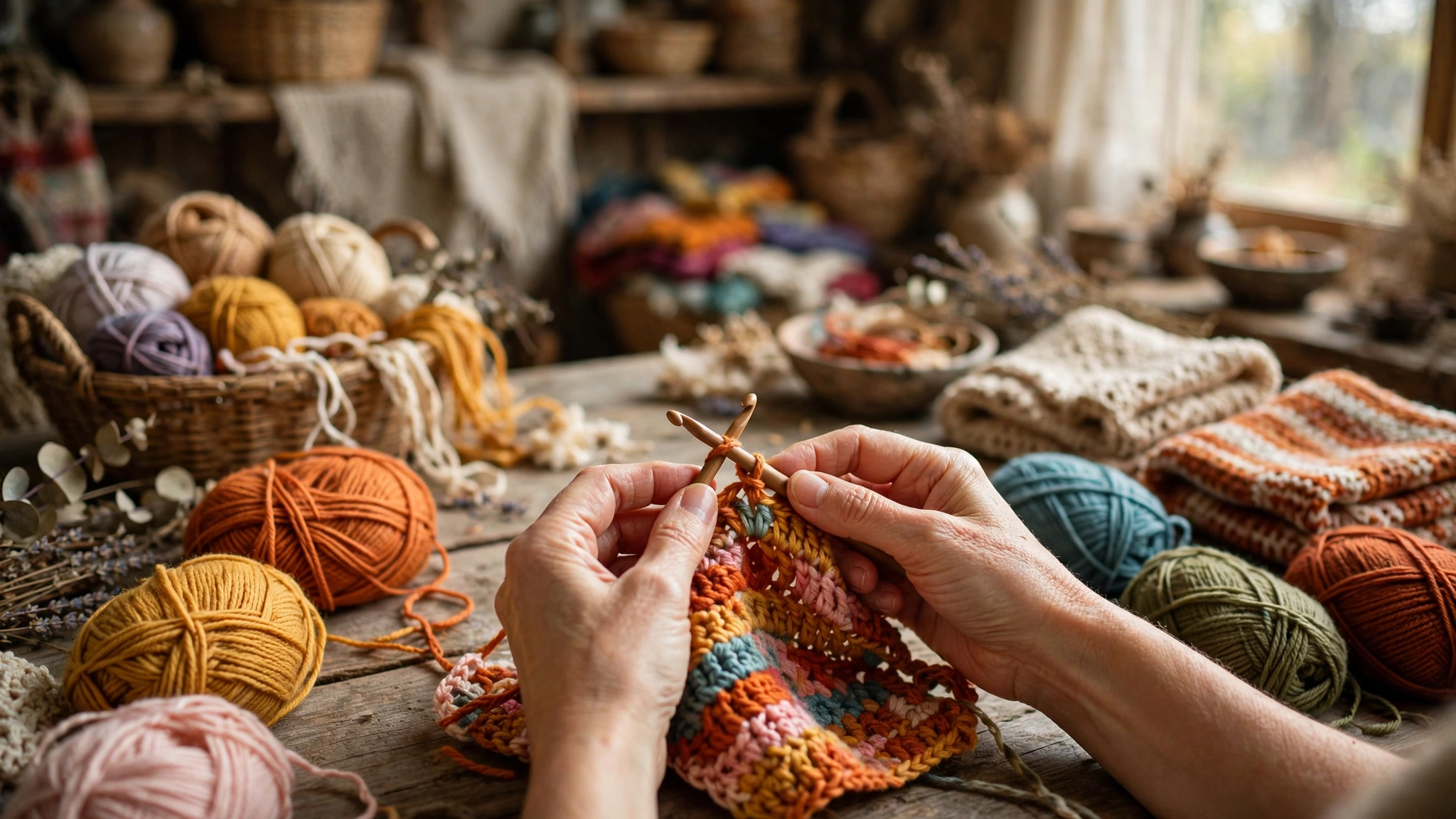
The new rules are short and strict. For these listings, "the information buyers rely on must be your own work," Etsy told sellers. Anyone selling a pattern or recipe must show an actual finished item made from those instructions — not an AI-generated or simulated image of what it might look like. Bot-generated listings with no human involvement are banned outright. Sellers must also include at least one unedited photo of the actual item being sold.
The ban on selling AI prompts on their own, in place since 2024, stays. Etsy will still allow AI-generated art when sellers "play a clear role in what they create and are transparent about the process" — but it cannot be misrepresented as handmade or entirely their own creation.
Trust is the reason — and AI is the threat
Etsy's stated motive is buyer trust. "Many active buyers say they can't tell which items involve AI-generated content," the company wrote in its notice to sellers, calling that confusion one of the top three barriers to people shopping more often on Etsy. The seller community, meanwhile, has complained that their genuine work appears alongside misleading AI listings, making it harder for buyers to recognize the human behind an item.
In a video message for sellers, James Ossman, Etsy's vice president of customer operations, confirmed that instructions must be the seller's original work. He acknowledged that Etsy "hasn't always dealt with sellers' worries about AI as directly or as quickly as they wanted," and said tools to verify who actually made something are being built — without giving details. The company did not say exactly when the rules take effect or how it will enforce them.
The bigger battle for handmade
The policy reflects a broader tension for Etsy. The company has positioned itself as a haven for crafters and artisan sellers, but it has faced an influx of mass-produced items from resellers and growing competition from Amazon, TikTok, and newer low-cost platforms like Temu and Shein. Misleading AI-generated content has compounded that challenge. At the same time, Etsy itself uses AI for shopper profiles and search results, and has partnered with OpenAI on ChatGPT-powered product discovery — a balancing act between embracing the technology and keeping it out of the goods sold there.
For a company whose entire pitch is "a real person made this," the move is survival logic. Etsy is betting that in a marketplace flooded with generated everything, proof of a human hand is the product.
By Hamza Faisal