Elon Musk has warned the artificial intelligence industry is heading for a severe cash shortage in 2027 — not because demand for computing power is weak, but because of the time and money it takes to turn that power into revenue. The Tesla and xAI chief posted the warning on X on Saturday, November 21, in reply to AI researcher François Chollet.
Chollet had noted demand for computing capacity remains intense: spot prices for graphics processors keep climbing, while high-bandwidth memory (HBM) and DRAM production is effectively sold out through 2029. Musk agreed demand is strong — but said physical execution is the immediate threat.
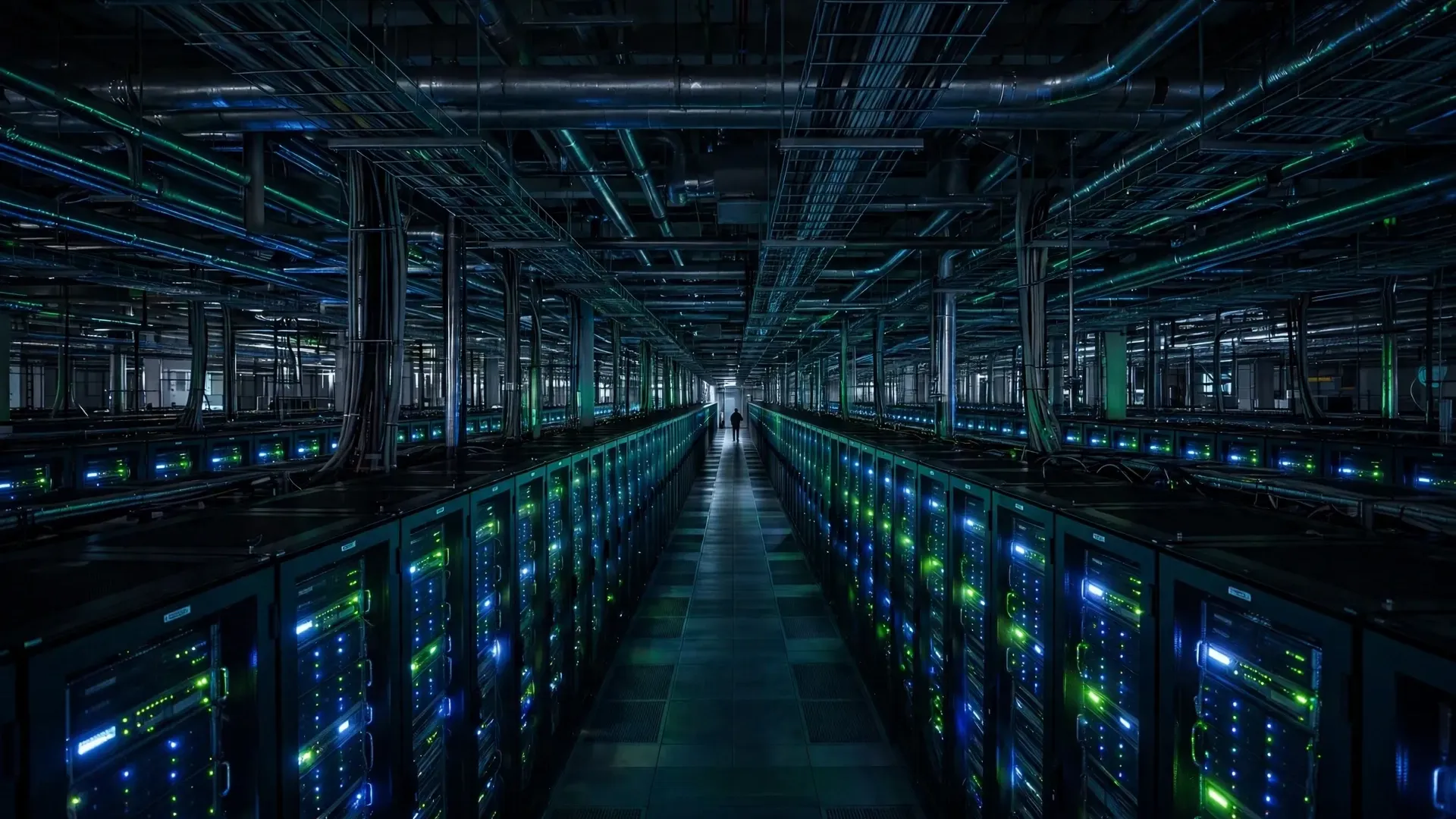
"Getting this amount of compute turned on, cooled and working reliably is incredibly hard," Musk wrote. "The cash shortage is also going to be nuts next year. Even cumulative industry delays of a few months between paying for compute and getting it reliable enough to generate revenue will mean hundreds of billions of incremental dollars just for working capital. Where will that come from?"
The timing gap, not the demand
Musk's argument is about sequencing. Companies must buy chips, build data centres, secure huge power supplies and install cooling systems months before those clusters can serve paying customers. Every month of delay stretches the period in which the spending must be funded from outside sources.
The International Energy Agency estimates global data-centre electricity use will rise from 485 terawatt-hours in 2025 to around 950 by 2030. S&P Global Market Intelligence projects annual net additions to US and Canadian data-centre power capacity of around 20 gigawatts in 2027, up from about 8 gigawatts in 2026, with grid delays, power shortages and local opposition as obstacles. Musk has previously estimated that AI chip deployments could face a power shortfall of at least 15 gigawatts by 2027.
A trillion-dollar buildout on borrowed money
The scale of the spending shows the financial pressure. Across 2026, artificial intelligence capital expenditure has neared $1 trillion, backed by nearly $600 billion in global AI-related debt issuance, according to Goldman Sachs data. Research firm IDC put global AI infrastructure spending at $121.4 billion in the second quarter of 2026, up 53% year on year. The International Energy Agency said capital expenditure by five major technology companies exceeded $400 billion in 2025 and was expected to rise another 75% in 2026.
Musk noted running AI models can be lucrative once systems are operational — inference delivers 70–85% margins, he said — but the upfront cash burn to bridge construction and grid delays keeps escalating.
Smaller players face the squeeze first
Cash-rich tech giants can absorb multi-month deployment lags, but smaller operators that rely on debt markets to finance GPU clusters face mounting refinancing risks if power or cooling bottlenecks stall their revenue timelines. Musk had already warned in October that financing conditions were deteriorating for neoclouds — specialist cloud providers that buy graphics processors and rent out computing capacity — predicting that more than 200 of them would face consolidation.
Musk is himself one of the heavy borrowers: SpaceX closed roughly $40 billion in debt financing in October, mostly for graphics processors due to deploy in early 2027, and he aims for more than 10 gigawatts of new capacity in 2027.
The warning changes nothing about what AI services cost today, and no price or availability changes tied to a 2027 shortage have been announced. The question is whether the industry's near-$1 trillion of spending can be matched by revenue before the debt funding it comes due — and whether the power and cooling bottlenecks Musk keeps flagging ease in time.


