By Hamza Faisal
DoorDash is buying Instacart. The food-delivery company said on Thursday it had agreed to acquire its grocery-delivery rival in a deal valued at about $17 billion, the biggest consolidation yet in an industry reshaped by slowing growth and rising costs.
Under the definitive agreement, Instacart shareholders will receive $65 a share — an 11% premium to Wednesday's closing price of $58.42 and roughly 26% above the $51.68 close on October 22, the last trading day before published reports that Instacart was pursuing a sale. At least 75% of the consideration will be paid in cash, with shareholders able to elect cash, DoorDash stock or a combination, subject to a 25% cap on the stock component. Instacart's board unanimously approved the deal, which is expected to close in late 2027 or early 2028.
Why DoorDash wants groceries
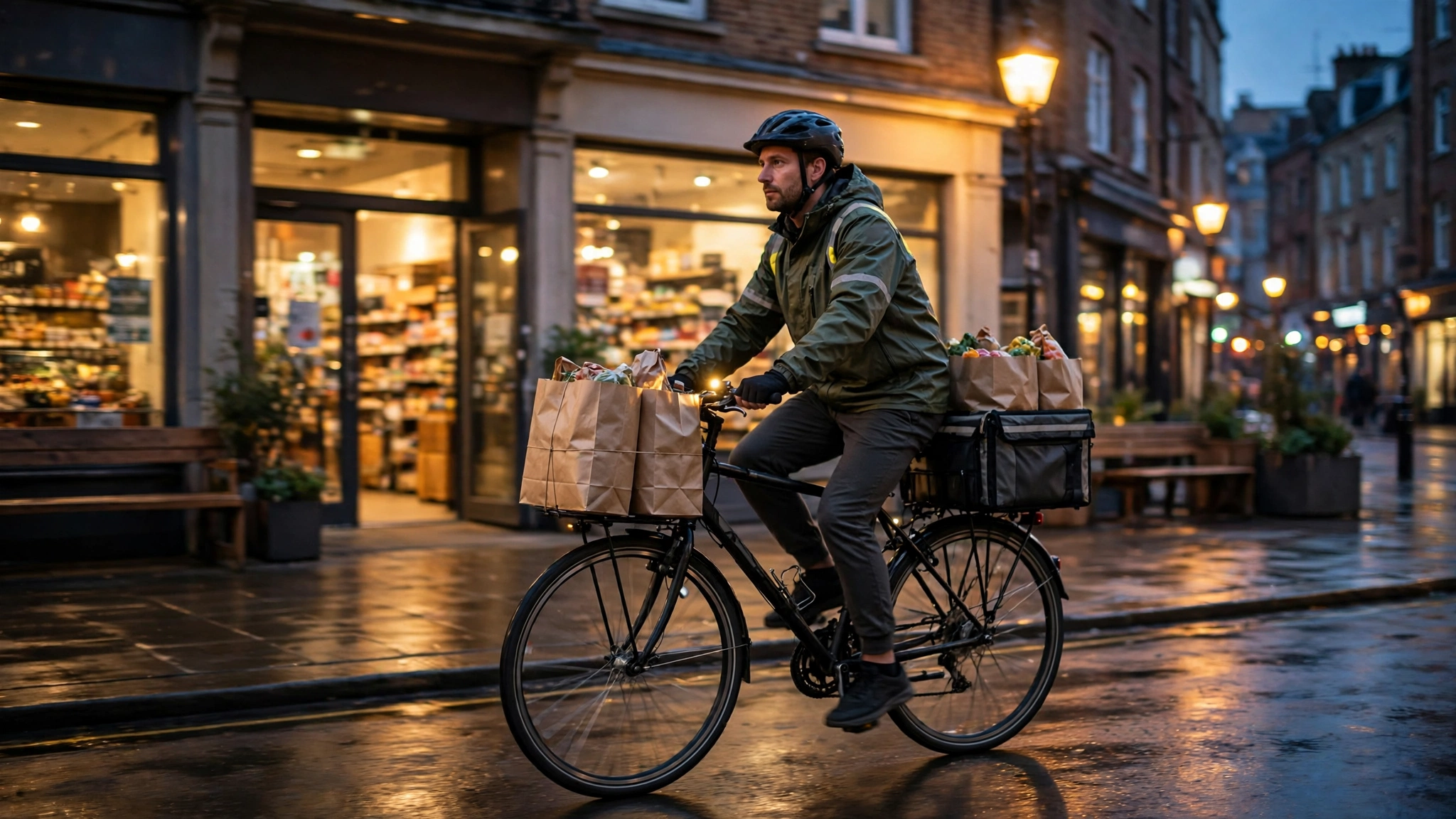
The logic is straightforward: DoorDash owns the delivery network, Instacart owns the grocery expertise. DoorDash said the combined company "will offer grocers and retailers of every size DoorDash's delivery network and Instacart's grocery and fulfillment technology," and it plans to keep Instacart's brand, app and enterprise technology products after the deal closes.
"Grocery is one of the hardest things to get right online. Someone has to pick a ripe avocado, find a substitute you'd choose yourself, and get the ice cream to you before it melts," DoorDash co-founder and chief executive Tony Xu said. "Instacart has spent years learning to do that well for grocers, while DoorDash has built a delivery network and technology that local stores rely on every day."
Instacart chief executive Chris Rogers said pairing its grocery technology with DoorDash's reach would let the brand "accelerate innovation across the grocery industry and make online grocery more seamless and affordable for the millions of households we serve."
What changes for shoppers
DoorDash says Instacart customers will gain access to more than 50,000 additional stores beyond the nearly 100,000 locations already available through Instacart, with more savings for local shoppers and faster delivery options. The companies also plan to combine their membership programmes: DashPass and Instacart+ members would pay a single fee instead of two subscriptions, which DoorDash estimates could save customers about $100 million a year.
The deal lands alongside a strong quarter for DoorDash, which separately reported third-quarter adjusted earnings before interest, tax, depreciation and amortisation up 41% to $1.06 billion on revenue up 34% to $4.6 billion. Shares in both companies rose on the news: Instacart climbed about 5% to $61.25 in premarket trading, while DoorDash rose about 7% to $181.47. DoorDash plans to fund the cash portion with cash on hand and debt, with JPMorgan Chase committing a bridge loan facility.
A consolidating delivery map
The acquisition caps a wave of delivery consolidation. Uber agreed in July to buy Germany's Delivery Hero for about $14.8 billion, DoorDash bought Deliveroo for $3.85 billion in 2025 after its $3.5 billion purchase of Wolt in 2022, and Uber bought Postmates for $2.65 billion in 2020. The pressure comes from all sides: Amazon now offers same-day grocery from 2,300 locations, and Walmart offers 30-minute delivery in some places.
Instacart, which went public in 2023, had seen its shares rise nearly 30% this year, hitting a record $62 on Monday. DoorDash's shares, by contrast, are down about 25% this year — a reminder that even the acquirer is buying growth in a market where the pandemic boom has long since faded. The question now is whether one bigger delivery company can do what two smaller ones could not: make grocery delivery pay, at scale, for the stores that depend on it.