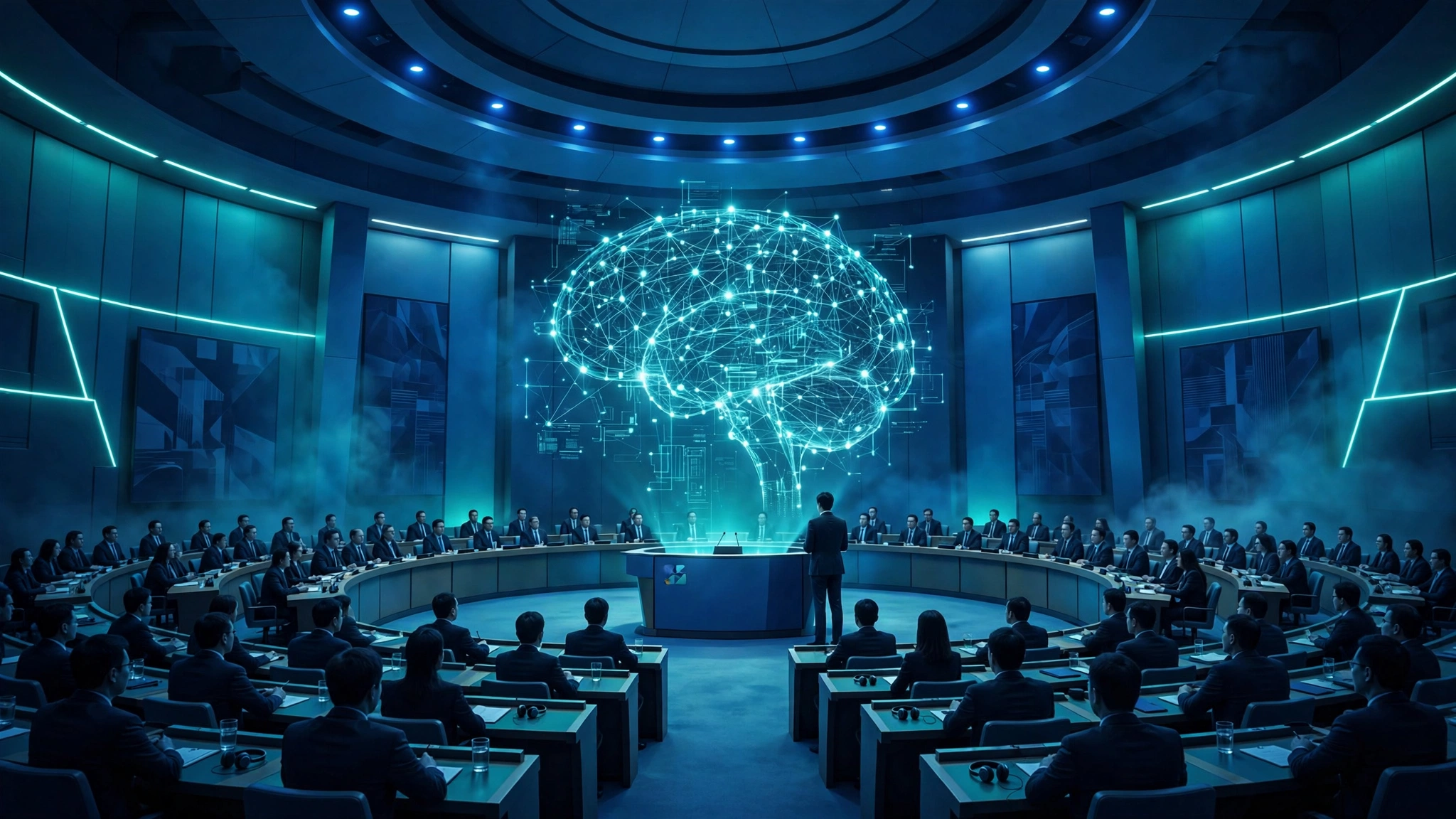
The 15-member Security Council will meet on Wednesday to discuss AI and international security, marking one of the most high-profile moments yet for global AI governance. The session comes just weeks after several AI industry leaders called for a coordinated slowdown in the development of increasingly powerful AI systems, warning they could soon improve on their own and slip beyond human control.
A global table on AI safety
OpenAI chief executive Sam Altman plans to brief the meeting, and diplomats also expect participation from senior representatives of Anthropic. DeepSeek and other Chinese AI firms, including Moonshot, have been invited to make statements, one of the sources said. DeepSeek founder Liang Wenfeng does not plan to attend, with plans described as fluid.
The Security Council first met on the risks of artificial intelligence in 2023. At that session, China cautioned that the technology should not become a "runaway horse", while the United States warned against using AI to censor or repress people.
Guterres and Trump at odds
UN Secretary-General Antonio Guterres warned world leaders last week that rapidly advancing AI poses risks that cannot be ignored. That position puts him at odds with US President Donald Trump, who has argued that existing safeguards are sufficient and suggested that casting doubt on AI development benefits China.
China and the US are reportedly discussing creating a communication channel for AI concerns ahead of a Washington summit meeting between Trump and Chinese President Xi Jinping. Chinese state media have dismissed calls for a development slowdown as an attempt to preserve Washington's dominance in cutting-edge technology and exclude Beijing from the global AI governance system.
What to watch
The briefing underlines how quickly DeepSeek has moved from research lab to geopolitical stage. With both superpowers now treating AI governance as a top-level diplomatic issue, this week's session could shape how international institutions approach the technology for years to come.
Why it matters for Pakistan
For countries like Pakistan, the AI governance conversation is not academic. As developing economies digitize — with Pakistan itself pushing a national AI policy and expanding IT exports — the rules set in rooms like the Security Council will shape everything from data flows to access to frontier models. The presence of a Chinese lab like DeepSeek at the table also highlights a shifting geography of AI power, one in which the next wave of models may come from outside Silicon Valley.
That shift matters for startups and developers in Pakistan who increasingly rely on affordable, open AI models. Whatever guardrails emerge from this week's diplomacy will eventually reach them — in licensing terms, export rules and the cost of compute.