Zomato founder Deepinder Goyal's most unusual product yet is almost ready for its first customers. This week, Goyal revealed six launch colours for Temple, his brain-sensing wearable, and said pre-orders could open as early as next week for early-access waitlist members.
The limited launch edition is expected to begin shipping before the end of 2026, according to reports from Indian outlets covering the announcement. The final price has not been announced, but estimates range from roughly Rs 75,000 to Rs 80,000, while Goyal himself has pointed to a figure of around $1,000 — close to Rs 1 lakh in India.
A wearable that watches the brain, not the wrist
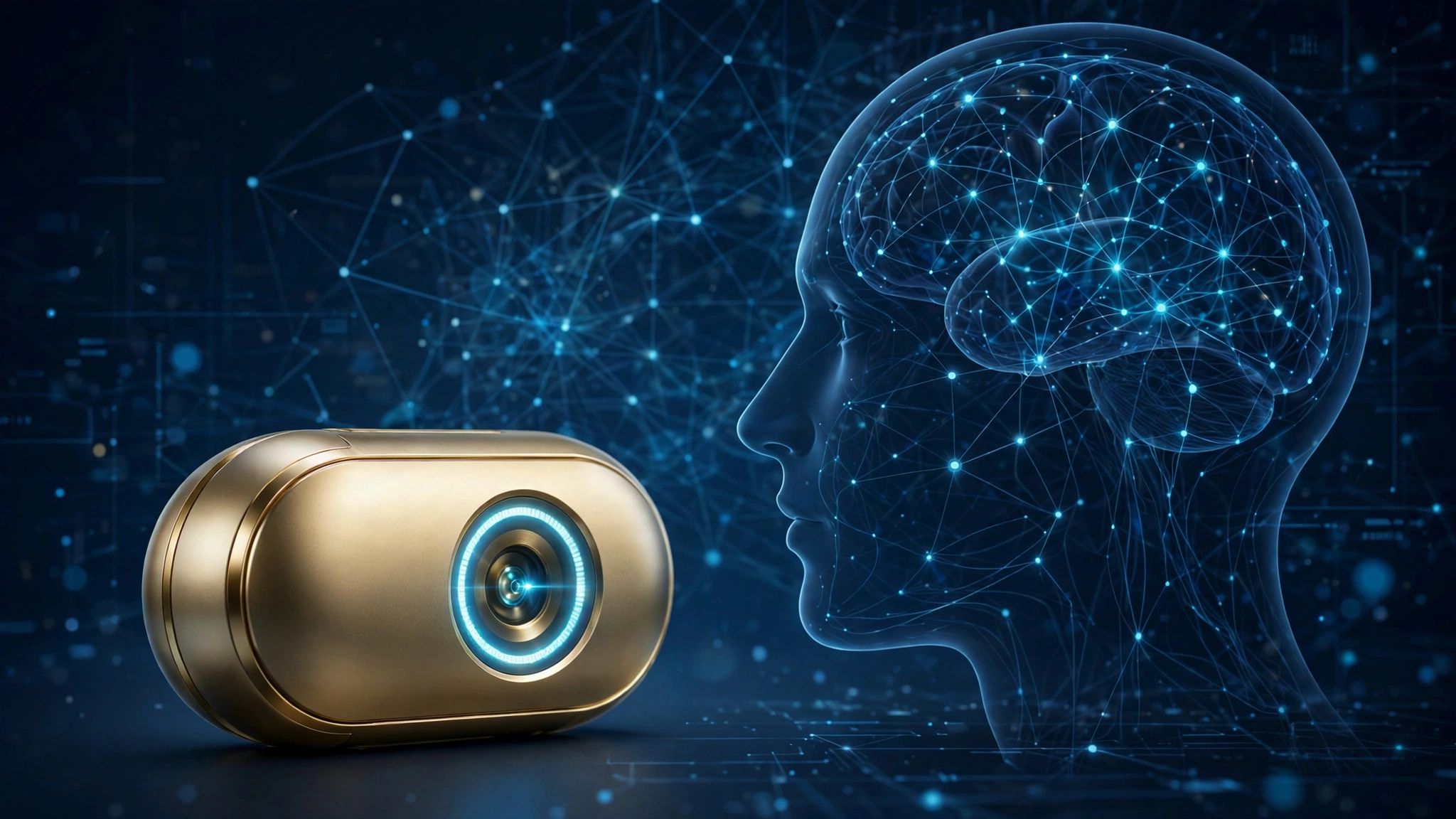
Temple is a small, pill-shaped device that attaches to the side of the head, between the forehead and the ear, using disposable adhesive grips. Instead of tracking heart rate and steps from the wrist like a smartwatch, it uses near-infrared optical sensing — a technology Goyal calls BrainFlow — to detect changes associated with cerebral blood flow.
The idea is that patterns in brain blood flow can reveal insights into sleep quality, recovery, fatigue, exercise response, stress, and concentration. The device is described as one of the smallest wearables on the market by volume, and reports suggest it offers up to seven days of battery life.
Goyal has also suggested the premium package may be subscription-free, with the adhesive grips included.
Built with scientists, tested on athletes
The BrainFlow research team includes Dr Divya Gulati and Dr Sanchit Gupta from the Indian Institute of Science in Bengaluru, Dr Yukti Chopra from SISSA Trieste in Italy, and Nitish Kumar from IIT Bombay. According to the team, a clinical study with 60 participants confirmed that BrainFlow can detect deep brain blood volume changes.
Indian badminton star PV Sindhu has been spotted wearing Temple during live matches, giving the device early public visibility ahead of its commercial release. The company invited athletes, scientists, founders, doctors, and creators to apply as founding users back in May 2026.
Ambitious plans — and open questions
Goyal has also floated prospective applications beyond wellness: on social media this month, he suggested Temple could eventually help assess pilot fitness for aviation missions and evaluate defence personnel for demanding tasks.
He has been careful to clarify that Temple is not currently approved or certified as an aviation safety device — these remain potential use cases, not confirmed features.
Medical experts have raised the obvious caveat: the skull sits between the sensor and the brain, so how much can optical sensing really tell us about deeper cerebral blood flow? For now, Temple is best understood as an experimental wellness wearable, not a medical device.
Much of its boldest promise still awaits independent scientific validation. But if pre-orders do open next week, the market will finally get to vote with its wallet.
By Hamza Faisal