By Hamza Faisal
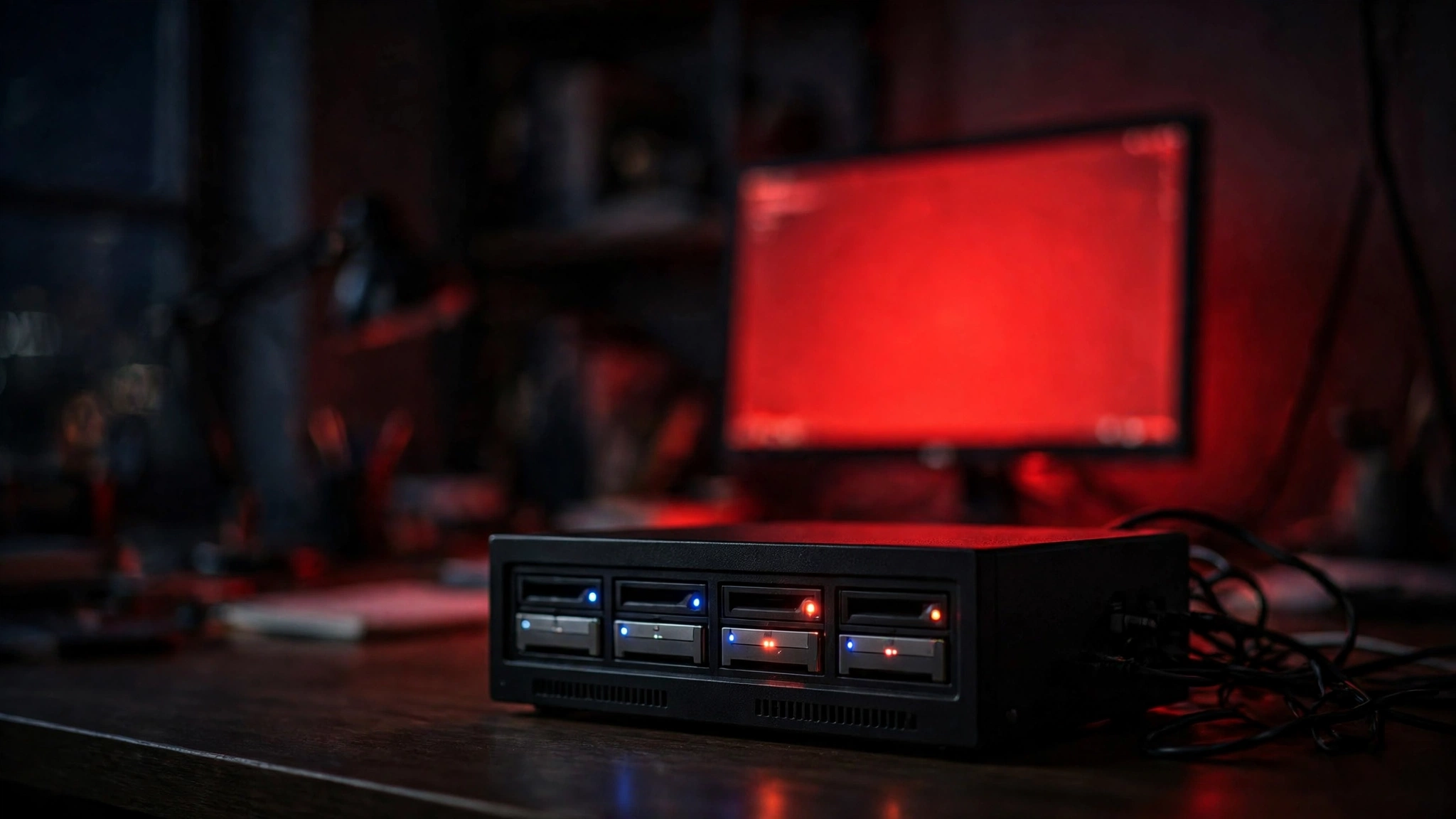
Attackers are breaking into Synology network storage devices and encrypting everything on them — including the backups owners thought would save them. The ransomware, known as C3RB3R, targets devices running outdated versions of Synology's DiskStation Manager (DSM) software, and the fix has been available for nearly two years.
Synology warned on October 29 that it had identified attackers exploiting a vulnerability patched in December 2024 to target devices running outdated DSM. The attacks aim to encrypt data and extort a ransom, the company said, urging everyone on a vulnerable version to update immediately and turn on automatic updates.
The warning is rare. Synology almost never issues public alerts about live attacks — its last one came in 2019. The fact that it broke that silence says plenty about how active this campaign is.
A two-year-old flaw, still wide open
On November 18, the US Cybersecurity and Infrastructure Security Agency (CISA) added the flaw at the centre of the campaign to its Known Exploited Vulnerabilities catalogue, confirming evidence of active exploitation. The flaw, tracked as CVE-2024-10441, scores 9.8 out of 10 in severity and allows an unauthenticated attacker to run code remotely on a vulnerable device.
The vulnerability sits in DSM's system plugin daemon and was disclosed in Synology's advisory SA-24:20 in November 2024. Synology has not said publicly which of the advisory's three flaws the attackers are using, and researchers disagree on the exact entry point: Qihoo 360's anti-ransomware team, which has handled multiple victim cases since October, linked the attacks to two other DSM flaws disclosed in September 2026. Either way, the remedy is the same — get onto a patched DSM build.
The scale of the exposure is striking. Internet-tracking service Shadowserver counts more than 380,000 Synology NAS devices reachable from the public internet, and every one running an outdated DSM version is a potential target.
What C3RB3R does once it is in
Once inside, the ransomware — a variant of the long-running Cerber family — scans the file system and encrypts the data on the device's volumes, appending a .L0CK3D extension to the scrambled files and dropping a ransom note named read-me3.txt. Because a NAS device often holds the household's or the office's only copy of photos, documents and backups, victims can lose everything at once.
Federal agencies in the US were ordered to patch by November 21, but the advice applies to everyone with a Synology box at home or in the office. The patched DSM builds are 7.2.2-72806-1, 7.2.1-69057-6, 7.2-64570-4, 7.1.1-42962-7 and 6.2.4-25556-8 or above, depending on the branch a device runs. Owners should update to the latest build for their model, enable automatic updates, and — just as importantly — take the DSM management interface off the internet entirely so it is not reachable from outside the local network.
Part of a wider exploited-flaw warning
The Synology flaw was one of four CISA added to its exploited-vulnerabilities list on November 18. The same batch flagged flaws in the BerriAI LiteLLM AI gateway, the Apache Axis web-services framework and Vanderbilt University's REDCap research platform, all with evidence of active exploitation. Federal agencies were given until November 21 to fix three of them and until December 2 for LiteLLM.
The pattern across all four is the same: flaws that were patched months or years ago, still unpatched on enough live systems to make attacks worthwhile. For Synology owners, the update is free, takes minutes, and is the difference between a working NAS and a box full of encrypted files.


