By Hamza Faisal
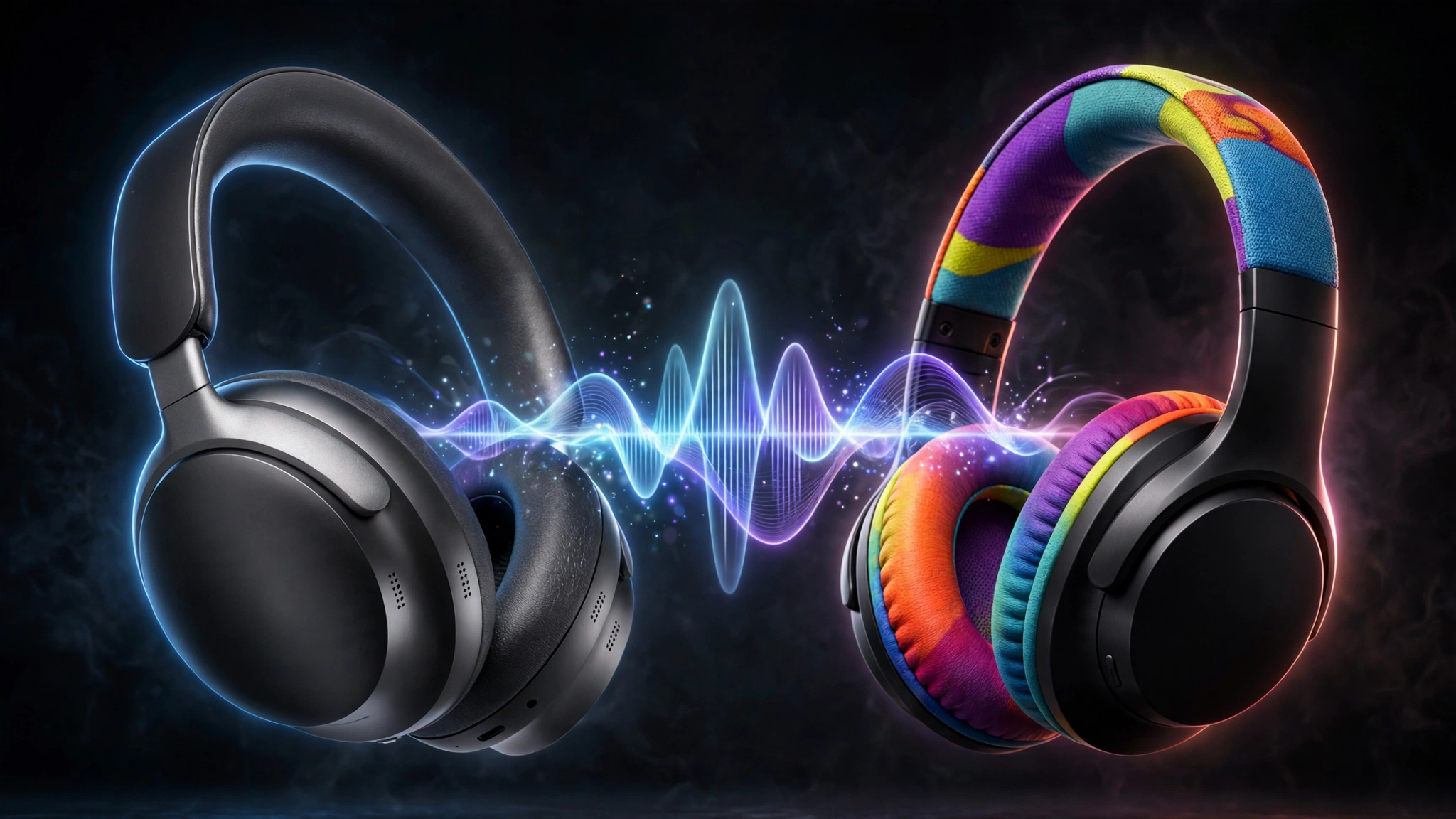
Bose just made the most unexpected move in audio this year. The company synonymous with business-class noise cancellation has acquired Skullcandy, the loud, colorful, board-sport-rooted headphone brand born on a Park City chairlift more than two decades ago. The deal was announced Wednesday in a joint statement from Framingham, Massachusetts and Park City, Utah.
Financial terms were not disclosed. What is clear is the structure: Skullcandy will continue to operate as a separate brand inside Bose's Premium Consumer Audio business, keeping its headquarters in Park City and its distinct identity, product philosophy and ties to its communities.
From Sound by Bose to owned by Bose
The two companies are hardly strangers. They have run a multi-year technology partnership that put "Sound by Bose" acoustic tuning inside select Skullcandy earbuds and headphones — most recently the Crusher 1080 ANC, which pairs Skullcandy's adjustable sensory bass with Bose noise cancellation and spatial audio processing. The Method 360 ANC earbuds got the same treatment.
That trial run, in effect, became an audition. Bose chief executive Lila Snyder framed the deal as part of a deliberate strategy: "As a privately held company, we have the freedom to make bold, long-term investments in opportunities we believe in, and Skullcandy is a great example of that." Skullcandy CEO Brian Garofalow called it "a win for Skullcandy and our fans," adding that Bose's audio expertise and technology would make its products better.
A brand Bose couldn't build on its own
For Bose, the logic is about audience. Its engineering credentials are unquestioned — active noise cancellation, head-tracking spatial audio — but its brand is not hip, trendy or cool. Skullcandy, by contrast, has genuine inroads into action sports, gaming, music and fitness: worlds of skateboarding, snowboarding and youth culture where Bose admits it has "less presence today." The press release was explicit that those authentic community connections are what Bose is buying.
The acquisition also follows an acquisition streak. In November 2024 Bose bought the McIntosh Group, bringing the McIntosh and Sonus faber high-end hi-fi brands into the fold. More recently it picked up Austrian streaming-software specialist StreamUnlimited and Australian developer Firelight Technologies, the company behind the widely used FMOD interactive audio platform. Those deals added engineering muscle; Skullcandy adds something Bose couldn't engineer — culture.
What it means for headphone buyers
In the short term, nothing changes: Skullcandy keeps its branding, its Park City base and its product roadmap, now with access to Bose's research, global distribution and commercial partnerships. The longer-term question is whether Bose can transfer its premium audio technology down into Skullcandy's more affordable lineup without flattening what makes the brand distinct — essentially, whether Skullcandy can become to Bose what Beats became to Apple. For a private company that says it can think in decades rather than quarters, that's a bet it is happy to make.
By Hamza Faisal