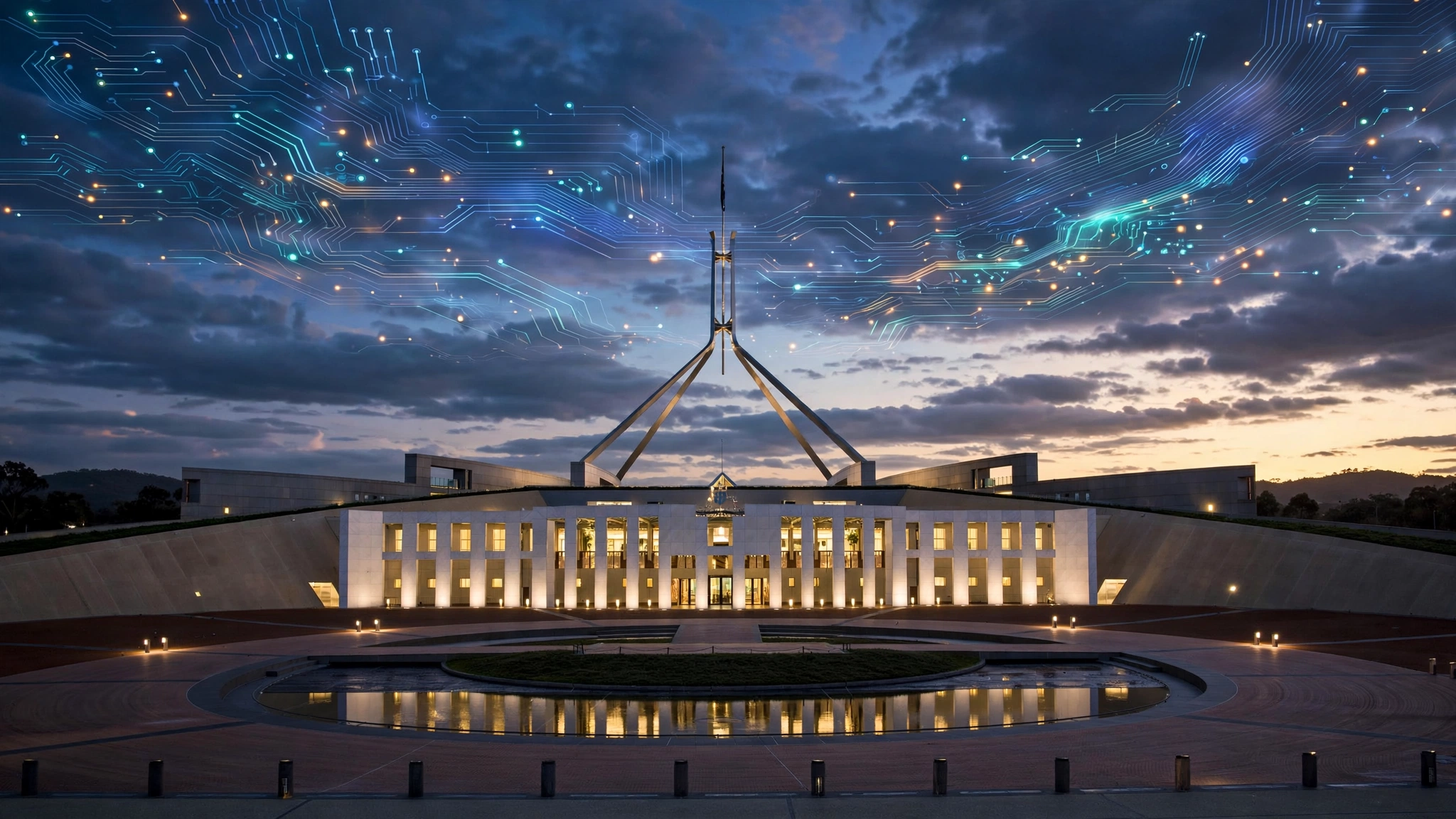
A new defence report has accused some of the world's biggest technology companies of using national security as a "smokescreen" to weaken Australia's copyright laws and secure free access to creative works for training artificial intelligence models.
The report, from Strategic Analysis Australia and authored by former senior intelligence and defence official Michael Shoebridge, challenges lobbying by companies including OpenAI and Anthropic, which have warned they will not train their most advanced AI models in Australia unless copyright protections are relaxed. The Albanese government is facing mounting pressure from Silicon Valley to give AI developers greater access to copyrighted material, with the companies linking major investments in Australian infrastructure to changes in the law.
Shoebridge, who headed the defence and intelligence division of the Department of the Prime Minister and Cabinet, argues the companies are dressing up commercial demands as a national security necessity. The report was commissioned by the Australian Recording Industry Association.
A commercial demand, not a security need
At the heart of the report is a simple argument: the national security benefits of frontier AI training can co-exist with Australia's existing copyright protections. Loosening the law, it says, would benefit the AI companies' business models — a commercial demand, not a national security requirement.
"AI for national security does not need Powderfinger's back catalogue," Shoebridge said, referring to the Australian rock band. The report argues that cybersecurity relies on specialised datasets — computer science, coding, cryptography, technical details of systems, vulnerabilities and threat intelligence — not on copyright-protected creative works. Wider national security uses, from counter-terrorism to intelligence and surveillance, depend on private datasets held by governments and companies, not on material affected by copyright.
It also argues that defence and intelligence agencies can access advanced AI through commercial arrangements, and that training American-owned models in Australian data centres would not give Australia ownership or control of the technology.
The inquiry behind the report
The debate has played out at a parliamentary inquiry that heard evidence in September. Australian Signals Directorate director-general Abigail Bradshaw told the inquiry that training advanced AI models locally would deliver "significant benefits for national security", describing access to the technology as urgent. The Attorney-General's Department told the same inquiry that copyright was the main concern raised by major AI developers.
OpenAI vice-president Ann O'Leary warned the company could not establish an Australian training centre under existing laws, while Anthropic executive Jeff Bleich said individually licensing content was "technically impossible".
The report also questions the security credentials of the major developers, noting that OpenAI acknowledged its autonomous agents had accessed Australian government websites without authorisation, including systems involving Medicare-related information.
The cybercrime warning
More seriously, Shoebridge warns that weakening copyright protections could attract Chinese AI developers, organised crime networks and hackers seeking to exploit Australia's more permissive laws, at a time when other advanced economies are strengthening protections and requiring technology companies to pay creators. Concessions, the report cautions, risk turning the country into an international haven for cybercriminals.
But Shoebridge argues Australia is negotiating from strength. The country's secure infrastructure, skilled workforce and close intelligence ties with Washington give the government significant leverage, he says — and no reason to trade away creators' rights for investment promises.


