Spouses and children of certain AI and chip executives whose work is considered vital to state security must now obtain approval from Beijing before travelling abroad, even for short trips, according to people familiar with the matter.
Government agencies have recently begun informing affected individuals of the wider restrictions, which apply to prominent startup founders and heads of strategically important companies in AI-related fields.
China Travel Curbs Move From Talent to Families
The move broadens curbs that already apply to some of China's most influential technology figures. Bloomberg reported in May that Beijing had restricted foreign travel for top AI professionals at private firms such as Alibaba Group and DeepSeek.
The new requirement reaches the immediate families of people already covered by the permit system. It remains unclear whether the families of all affected professionals must follow the new strictures.
A Wider Net Since September 15
The expansion comes weeks after new exit-and-entry regulations took effect on September 15, empowering authorities to bar citizens deemed a threat to "industrial or technological security" from leaving China.
Under those rules, commerce authorities can impose exit bans of six months to three years on individuals who may violate technology transfer regulations.
Earlier this year, Beijing also intervened in Meta's $2 billion acquisition of Manus, a Singapore-based AI startup with Chinese roots. In March, Manus co-founders were reportedly barred from leaving China pending regulatory review.
Chilling Effect on the Tech Sector
While the new rules stop short of an outright travel ban, analysts and industry observers say the requirement is likely to exert a further chilling effect on a technology sector already facing unprecedented restrictions.
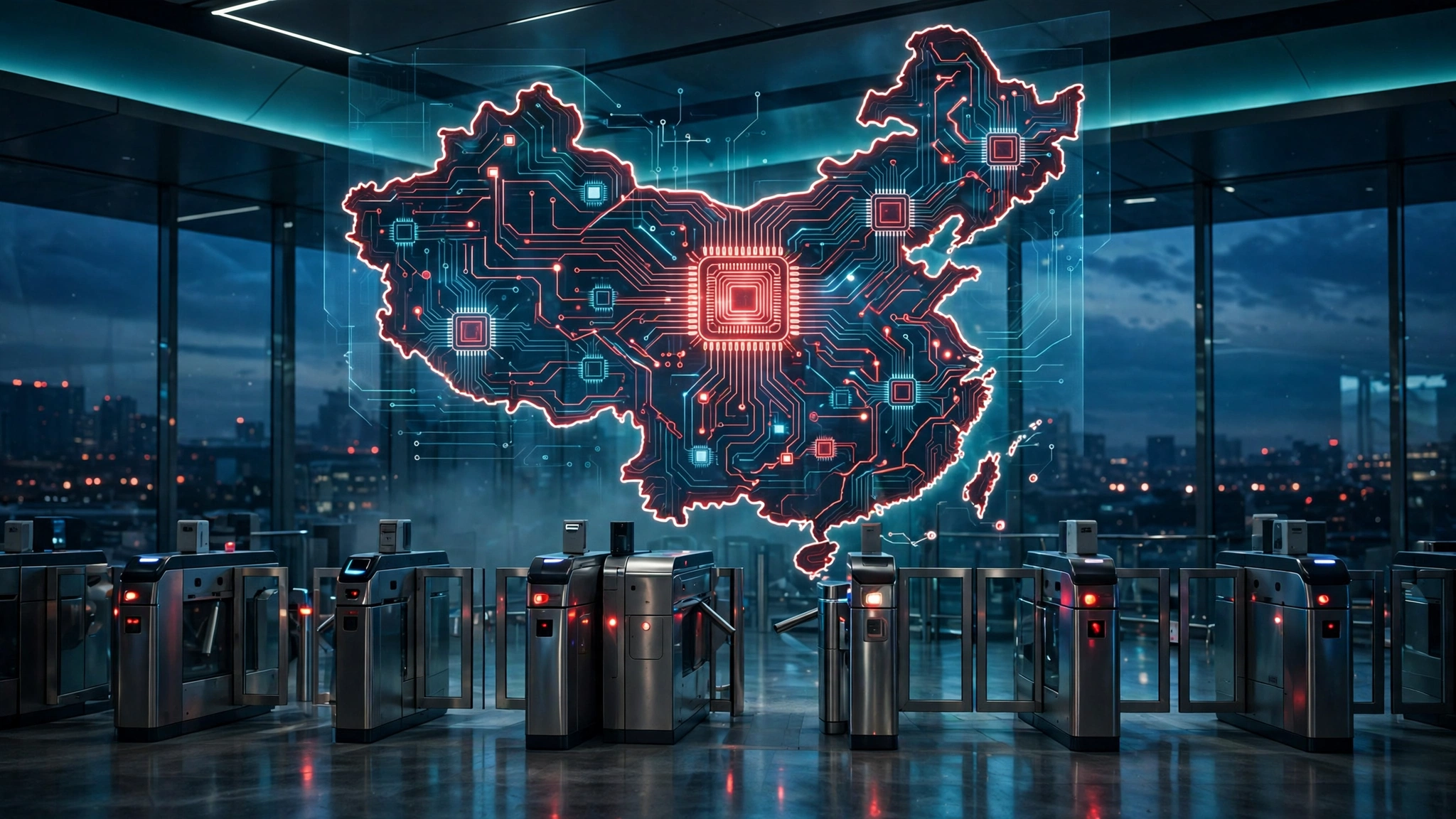
China's approach also highlights a striking two-track travel policy: the country is rolling out the welcome mat for international tourists while quietly tightening the gates for its most strategically valuable scientists, engineers and executives — and now, their families.
By Hamza Faisal