By Hamza Faisal
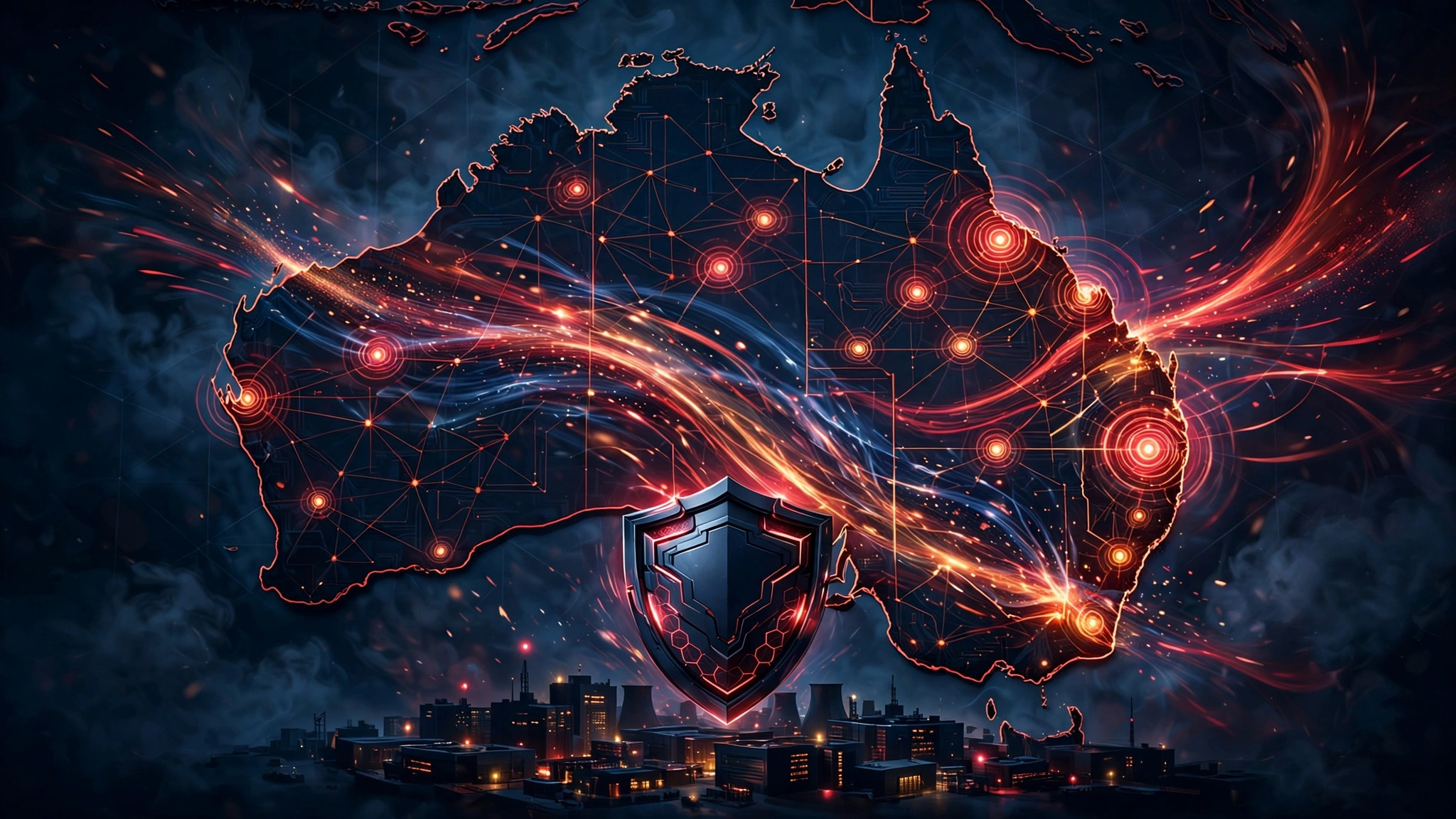
Australia's cyber spies have issued their bluntest warning yet: artificial intelligence has become the defining force in the country's threat landscape, letting hostile states and criminals find weaknesses faster and strike at a scale never seen before. The warning comes in the Australian Signals Directorate's annual Cyber Threat Report for 2025–26, released on Tuesday, which describes AI-driven attacks unfolding at what it calls unprecedented scale, speed and sophistication.
The directorate, Australia's equivalent of the NSA, says AI has been "the defining force in the cyber threat landscape over the past year, allowing malicious actors to find vulnerabilities faster and exploit them at unprecedented scale, speed and sophistication." Notably, the agency used some AI tools to compile the report itself — the same technology now sits on both sides of the cyber war.
The numbers behind the warning
The report documented a sharp rise in hostile activity. The directorate issued more than 4,400 warnings about potentially malicious activity over the past year, an 80 per cent increase on the previous 12 months, and responded to more than 1,500 incidents, up about 20 per cent. State-sponsored actors continued to target Australian organisations primarily to gain access to sensitive or non-public information, the report said, adding that the activity extends well beyond government networks to critical infrastructure, private businesses and individuals.
Hackers linked to China, Russia and North Korea have targeted Australia or its allies in recent times, according to the report. Beyond outright espionage, the agency warned that state actors are seeking to preposition themselves inside networks, quietly establishing footholds that could be used for intelligence collection or disruption at a time of their choosing.
Frontier AI is changing the attack itself
What has changed is not just the volume of attacks but their mechanics. Advanced "frontier" AI models can now find and chain together software flaws far faster than human hackers, and the report notes that "in recent weeks, new threats have emerged from the unintended actions of AI agents and model testing." The warning follows a string of incidents involving leading AI models, including the global PHP software flaw found with the help of a powerful OpenAI model that sent governments and firms scrambling to patch systems running a large share of the world's websites.
Canberra's message: patch, harden, move faster
ASD Director-General Abigail Bradshaw said frontier AI has "fundamentally changed the cyber security landscape," warning that organisations "must take action to improve basic cyber hygiene" or leave themselves exposed. "This shift will only accelerate," she said, adding that state-sponsored actors will increasingly use AI to enhance the scale, speed and effectiveness of their operations.
Defence Minister Richard Marles struck a similar note, telling reporters the nation could not ignore the AI revolution. "AI is here and it's real. People need to engage," he said. "Malicious actors are using AI to find vulnerabilities in systems." He urged Australians to update their computers and harden their systems against attack.
The official advice is deliberately practical: prioritise security over availability, update legacy systems, rotate cloud credentials, test frontier models with Five Eyes partners and deploy AI defensively to detect and block attacks. Regulators warn AI-amplified attacks could put superannuation and bank accounts at risk, while businesses face rising costs and more frequent outages. For Canberra, AI has not just raised the stakes of cyber defence; it has shortened the time everyone has to get it right.
By Hamza Faisal