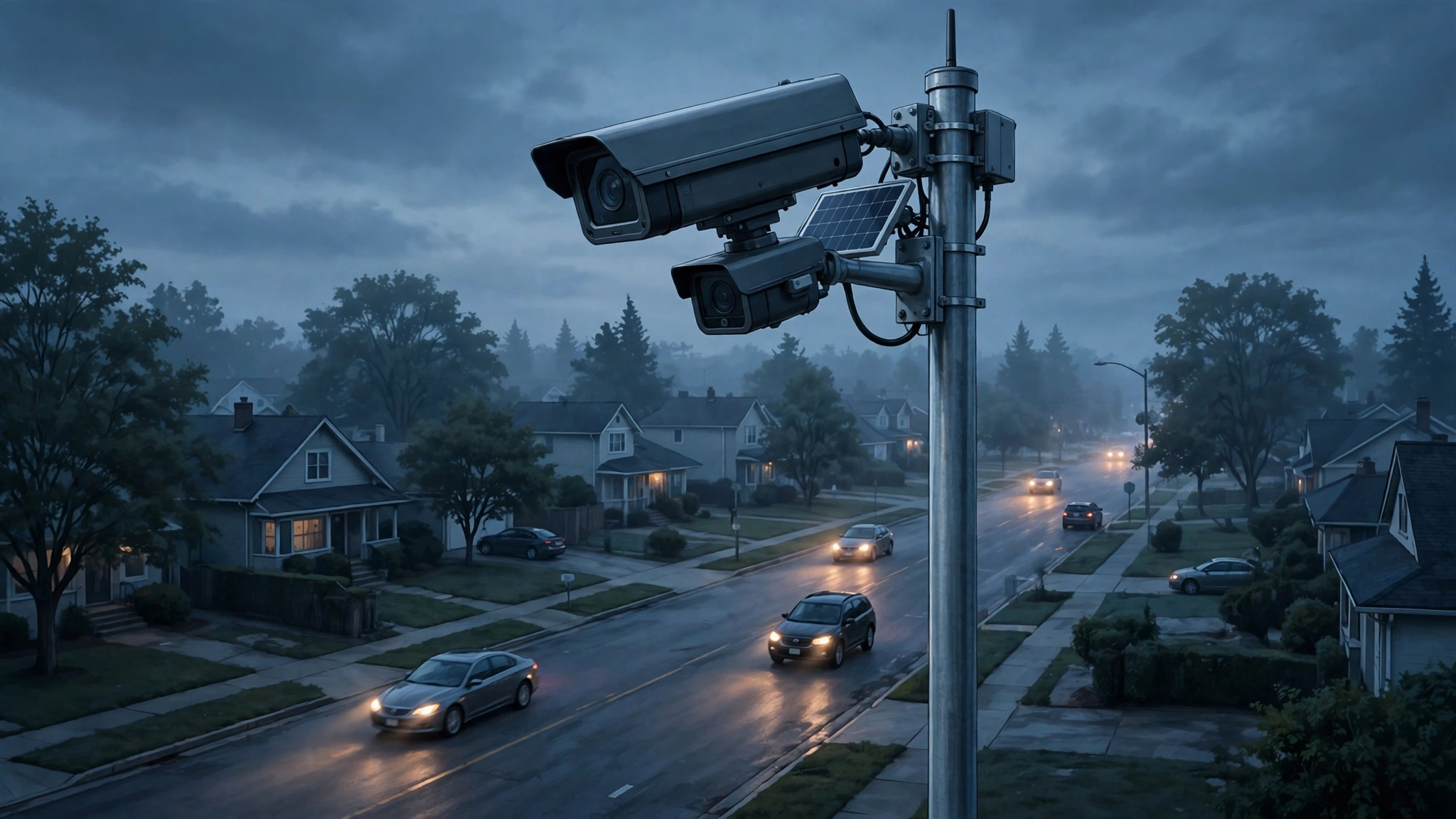
At least 10 local governments and police departments in the United States have moved since the summer to curb, restrict or end their use of Flock Safety's license-plate cameras, TechCrunch reported on November 5 — the latest sign of a growing backlash against the surveillance network.
Flock, founded in 2017, sells license-plate readers, drones and microphone-based devices that detect gunshots, marketed as tools to help solve crimes such as finding missing people or stolen cars. More than 100,000 Flock cameras are in use across the country. But in the past three months, six jurisdictions have moved to end their contracts outright: Monroe, Ohio; Newburgh, New York; Richmond, Virginia; Hopkinton, Massachusetts; New Bedford, Massachusetts; and Lansing, Michigan. Police in East Bridgewater and Grafton, Massachusetts, have also announced plans to stop using the cameras.
Voters and councils are saying no
The newest rejections came this week. Residents of League City, Texas, voted against their police department's continued use of Flock's license-plate readers, and the cameras are now set to be removed. On November 3, Anderson County Council in South Carolina voted unanimously to ban the use of county funds, property and resources for Flock camera systems, after weeks of debate over privacy and government surveillance. The county sheriff's office said in October it was already phasing the readers out, and Flock has begun taking the county's cameras down.
Other places acted earlier. Asheville, North Carolina, police lost access to Flock after the city voted to terminate its contract in August, and the El Paso County Sheriff's Office in Colorado announced in September that it would stop using the cameras. The largest contract on the list belonged to the Los Angeles Police Department, which let its Flock contract expire in July, citing serious concerns over civil liberties and privacy.
Why cities are walking away
The concerns cited in the local moves range from privacy to how the data is shared and with whom. Ithaca, New York, passed a resolution in March to terminate its contract after reviewing reports that federal agents, including ICE and the ATF, had been able to pull results from Flock's database without specific local authorisation. Cleveland, Ohio, voted this summer to extend its contract but has started restricting searches related to immigration.
Pressure is also building at state and federal level. Florida barred license-plate readers from state highways this summer, while Texas paused state funding for Flock. In Congress, the Ban Flock Act — introduced on October 2 by Senator Bernie Sanders, Representative Alexandria Ocasio-Cortez and Senator Jeff Merkley — would block federal funding to agencies using automatic license-plate readers.
Flock says trust, not technology, is the problem
Flock's public position is that the removals are not a product failure. The company said in February that recent camera removals were driven by strained public trust, and in October chief executive Garrett Langley told TechCrunch the company has not cancelled the contract of any police department or law enforcement agency as a customer. Flock has also shortened its default data-retention period from 30 days to seven and now requires a case code before a search.
Even so, the list keeps growing: Toledo's city council vote on ending its contract ended in a tie, leaving the decision with the mayor, and a San Diego council committee has voted unanimously to advance a proposal to cancel the city's contract. For a company built on blanket coverage, the question is no longer whether the cameras work — it is whether communities still want them watching.