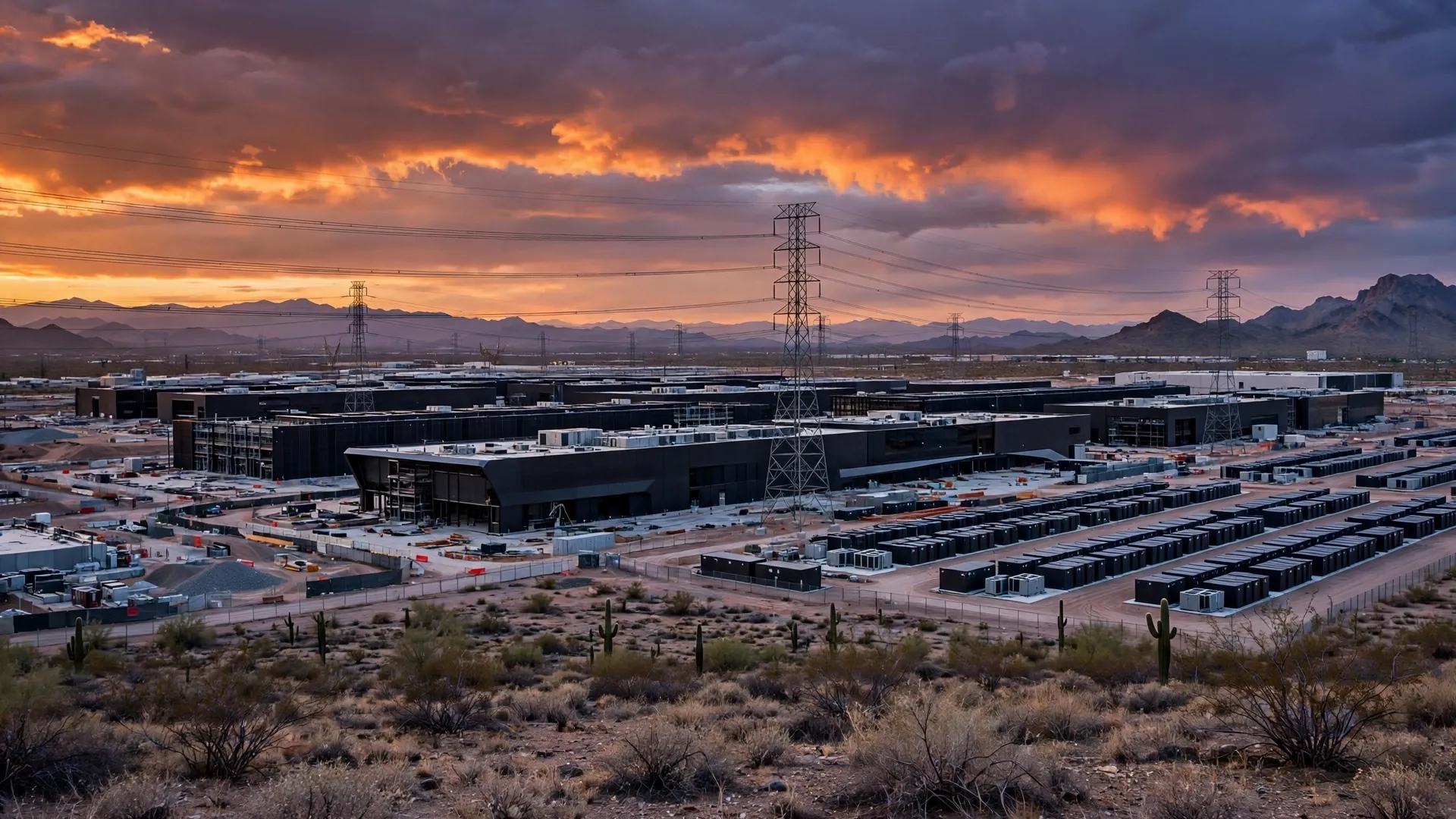
Arizona Attorney General Kris Mayes has asked Cochise County to postpone its December 9 vote on SpaceX's proposed $50 billion AI data center in the Arizona desert, arguing the county should not approve a project of that scale until state and federal regulators have finished their reviews.
In a letter sent on Thursday, November 19, to the county's Planning and Zoning Commission, Mayes asked officials to hold off on the special use permit until the reviews are complete. "The people of Cochise County deserve answers before county officials approve a project of this magnitude," she said in a written statement.
The power question at the centre of the fight
Mayes's biggest question is power. The campus would need 1.5 gigawatts at start-up — more than the entire generation fleet of the Arizona Electric Power Cooperative, which would supply it — and 6 gigawatts at full build-out, roughly 18 percent of all the generating capacity Arizona had in 2024.
SpaceX has pledged $3.6 billion in grid upgrades that it says it will hand to the cooperative at no cost to its members, along with up to 24 gigawatt-hours of battery storage. But Mayes wrote that the pledge does not explain how the remaining 4.5 gigawatts would be supplied, with the cooperative expected to buy most of the power from outside sources, largely solar and wind.
Her letter also raises the water used to generate the campus's electricity, the fire risk posed by about 6,150 Tesla Megapack batteries, truck traffic on Highway 191, sandhill cranes that winter at the nearby Willcox Playa, and possible interference with Fort Huachuca.
What SpaceX says it will pay for
SpaceX announced the project on November 12 as part of a plan to spend more than $74 billion on two AI supercomputing campuses, the other at Starbase, Texas, at more than $24 billion. The Arizona campus would sit on 747 acres near the Willcox Playa, about 80 miles east of Tucson, and would be dry-cooled, with no industrial water use and no new wells, according to the company.
The company projects the campus would create about 1,000 permanent jobs and 5,500 construction jobs, and says bills for members of the local electric cooperative could fall by 10 to 40 percent over the life of the project, a figure that has not been independently reviewed.
SpaceX has already answered several of the attorney general's questions in public, pointing to a phased build in which each stage gets load and engineering studies and the needed grid upgrades before it is switched on. The cooperative has said it is negotiating terms to keep the cost risk off its existing members.
What happens next
Mayes's letter is a request, and the decision belongs to the county. But she added a fallback: if the commission votes on December 9 anyway, she asked that the permit not take effect and no building permits be issued until SpaceX holds every state and federal approval, and that the full 6-gigawatt project be reviewed at once rather than phase by phase. She will also hold a town hall in Cochise County on December 3.
The Texas half of the plan faces its own test. On November 17, Cameron County commissioners voted 3-2 against holding a public hearing on SpaceX's request for a 10-year, 100 percent county property tax break, while Texas regulators issued an air permit on November 16 for the plant's 35 gas turbines. Both projects' key local decisions now land on December 9, when the Starbase City Commission also holds a hearing on a tax abatement and development agreement.


