By Hamza Faisal
SINGAPORE — Aolani, the Singapore-founded neocloud powering AI growth, has signed letters of intent to take up 500 megawatts (MW) of AI data centre capacity in Malaysia, with the first sites targeted to come online in the second half of 2027.
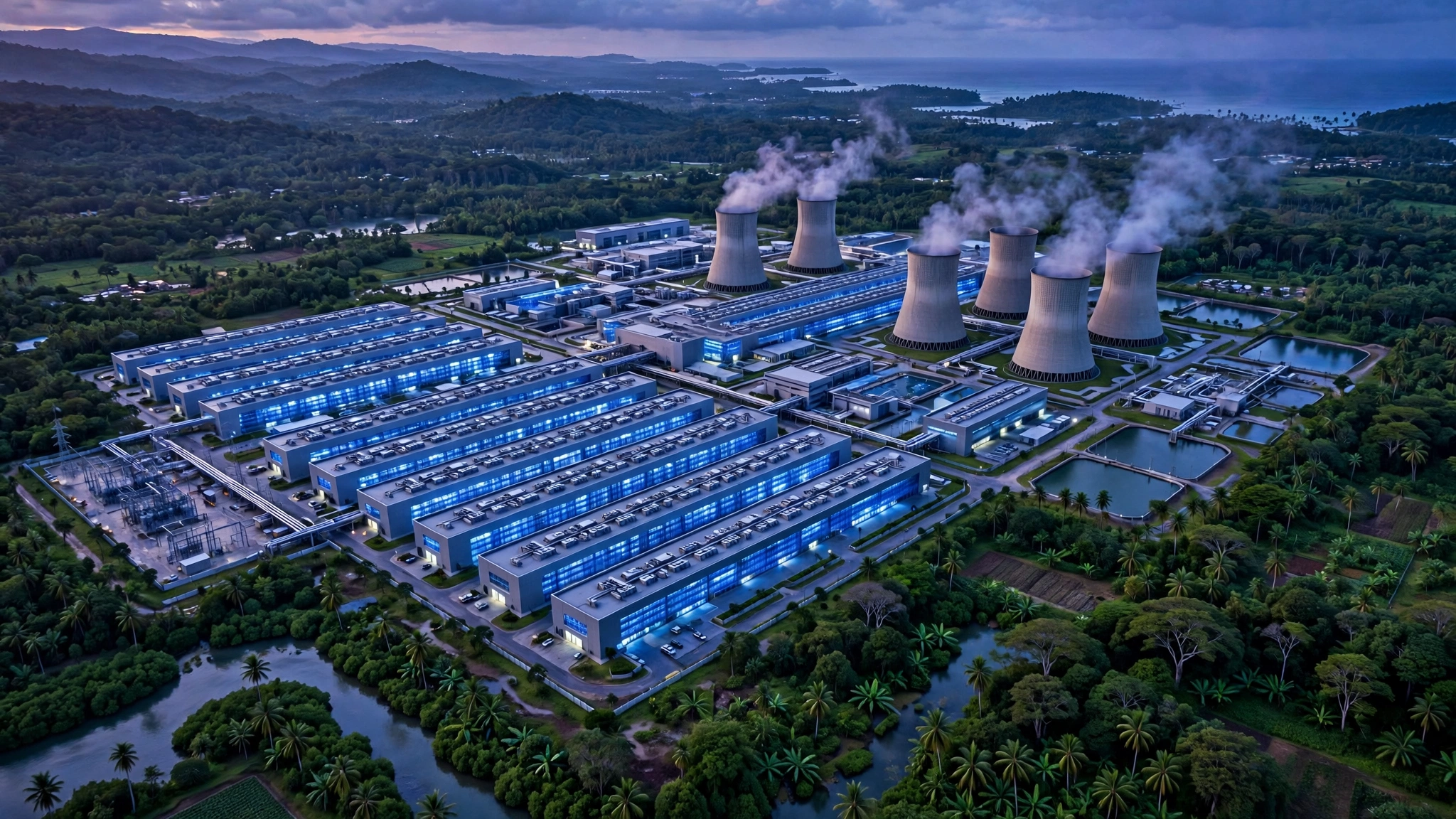
Designed to Tier III standards, the sites will house purpose-built AI data centres that support Aolani's expanding portfolio of AI factories and GPU deployments. Under the arrangement, Aolani will provide the AI infrastructure, GPU deployment and operating requirements across the facilities once complete.
From 80MW to 580MW in a year
With this commitment, Aolani says it is projecting up to 580MW of capacity committed in Malaysia by 2027 — up from roughly 80MW committed this year. That is more than a sevenfold increase, underscoring how quickly AI infrastructure demand is scaling across Southeast Asia.
The move reflects a broader neocloud land grab: smaller, GPU-focused clouds are racing to lock in power and land while capacity is still available, betting that AI training and inference demand will outgrow what hyperscalers alone can serve.
The expanded capacity is aimed at serving global hyperscalers and AI-native companies, while also making high-performance compute accessible locally. Aolani said it is exploring partnerships to channel capacity to Malaysia's sovereign AI programmes, local enterprises, researchers and startups.
Why Malaysia keeps winning AI builds
Malaysia has emerged as a key destination for AI infrastructure investment, driven by competitive power costs, available land and growing government and business support for digital infrastructure. For neoclouds competing with hyperscalers on cost and speed, those advantages are hard to ignore.
"Malaysia is a vital strategic anchor for Aolani and a proven home market where we continue to grow our footprint as a hyperlocal neocloud," said Nicholas Chia, chief executive officer at Aolani. "Malaysia is already firmly established as a global hub for AI infrastructure, but the next stage is using local compute to catalyse development of the local AI ecosystem and the broader economy."
The fine print: LOIs are non-binding
The letters of intent are non-binding and remain subject to the negotiation and execution of definitive agreements, so the 500MW figure is a commitment of intent rather than a signed contract. Still, even as a pipeline number, it signals where Aolani expects AI demand to outrun supply — and which countries stand to benefit.
For Malaysia, the deal is another data point in a rapid buildout: Bitdeer and AM Intelligence have also expanded Malaysian capacity in recent weeks, cementing the country's position as one of Southeast Asia's busiest AI infrastructure markets.
By Hamza Faisal