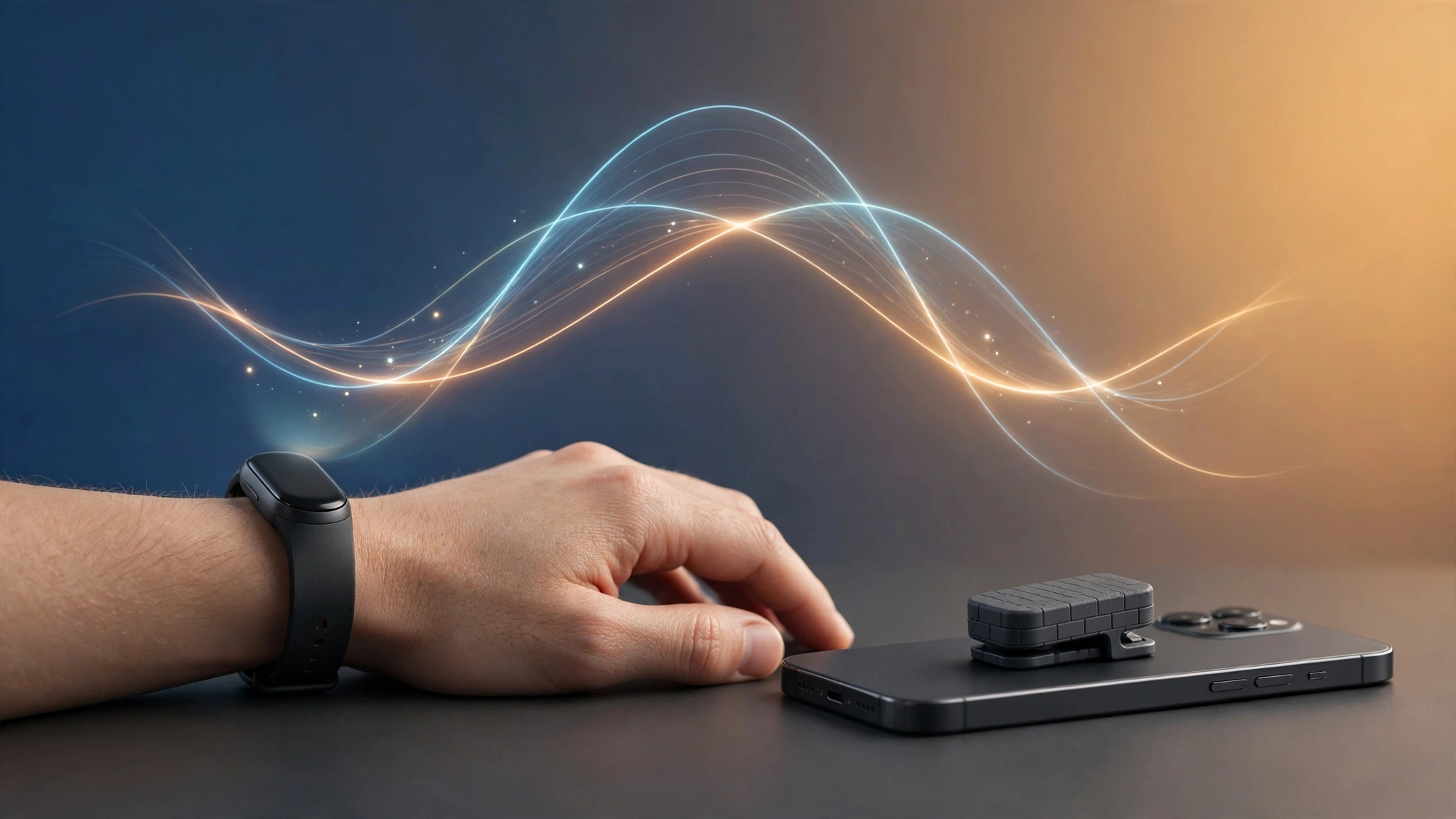
Amazon is betting that consumers will pay to have an AI device listen to their entire day. The company on Thursday unveiled two portable AI listening devices under its Bee brand, which it acquired last year: the $75 Frontier, a wearable bracelet, and the $100 Eclipse, a brick-like device designed to attach to a smartphone.
The devices listen continuously while switched on, recording information throughout the day to offer calendar reminders and AI-driven insights about conversations, to-dos, and commitments made to other people. They pull information from calendars, email apps, and other connected sources through a companion app or website, according to Reuters.
The announcement came from Panos Panay, Amazon's devices chief, on stage at the TechCrunch Disrupt conference in San Francisco.
A reminder machine that never misses a word
"They listen to your whole day," Panay said. "It reminds you of the conversations you had. It reminds you of to-dos that you may have had. It tells you that you have some action items that you committed to other people."
The pitch is simple: because the device was already listening, you never have to set a reminder again — it knows what you promised and when it is due. The Bee devices also work with Alexa+, Amazon's subscription-based generative AI voice service.
Amazon says it does not store audio recordings. Bee does retain data for 14 days, and users who want a longer history can pay $12 a month for a subscription. Users decide when the devices are activated and can delete previous conversations and insights at any time.
The privacy question will not go away
The launch arrives with an unavoidable shadow. Amazon faced heavy criticism after 2019 reports that thousands of people listened to recordings of conversations users had with Alexa, and the company is facing a class-action lawsuit over the practice — which it has denied involved wrongdoing.
It is not known whether Bee handles conversations in the same way. Amazon's assurances — no audio stored, 14-day retention, delete-anything controls — will now be tested against a public that has grown far more sensitive about always-on microphones since Alexa's heyday.
An old idea, back with Amazon scale
Always-listening wearables are not new; startups have chased the concept for years with mixed results. Amazon's advantage is distribution: the world's largest online store, a hardware pipeline, and the Alexa+ ecosystem to plug into.
At $75 and $100, Bee is priced as an experiment most people can afford to try. Whether convenience beats the instinct to cover the microphone will decide if this is the next mainstream gadget category — or the next cautionary tale about ambient AI.
By Hamza Faisal