By Hamza Faisal
Alberta, the Canadian province that spent two years pitching itself as the best place in North America to build AI data centres, has just slammed on the brakes. Premier Danielle Smith's government tabled Bill 42 on Wednesday, a sweeping package of restrictions that redraws where massive computing facilities can go — and who pays for them.
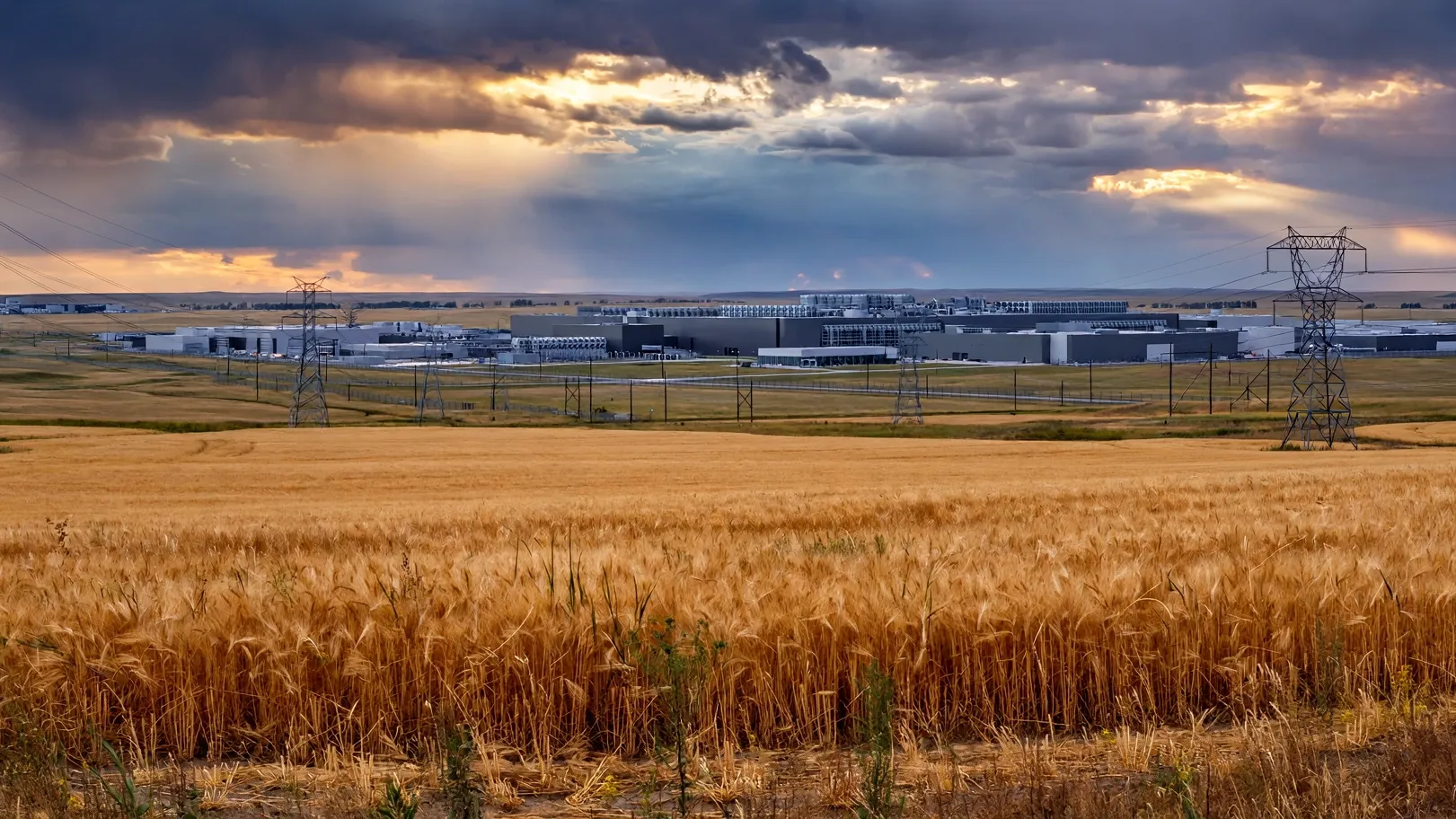
The bill, the Energy, Environment and Utilities Statutes Amendment Act, 2026, targets data centres drawing 10 megawatts or more. Under its rules, no large facility can sit within 600 metres of the nearest home, none can be built on irrigated land, and roughly 14 million acres of Alberta's highest-quality farmland are off limits to AI development altogether.
Water, power and the ratepayer's bill
The legislation goes well beyond zoning. New facilities will be required to use close to zero water for cooling, and the province will develop a province-wide water-use standard aimed at cutting data centre consumption. Developers must also fund their own power generation and transmission infrastructure, and be first to scale back electricity use during grid emergencies — a direct answer to residents who feared their power bills would subsidise the AI boom.
Facilities that break the rules face environmental penalties of up to C$6 million (about $4.2 million). Oversight of large data centres shifts to the Alberta Utilities Commission, which becomes the primary regulator for facilities of 10 megawatts and above.
Technology and Innovation Minister Nate Glubish, who has spent months courting Silicon Valley giants to build in the province, said the framework reflects concerns raised by Albertans about protecting their communities, farmland and water.
A backlash two years in the making
The U-turn follows mounting local pushback. In August, the Alberta Utilities Commission rejected the power plant needed to serve a $10 billion data centre in Olds, about 50 miles north of Calgary, because it would sit too near communities. Calgary's city council has taken the first step toward a temporary moratorium on hyperscale data centres, and Rocky View County approved a planning freeze this summer.
The province estimates about 30 percent of current data centre proposals will be affected by the new framework. Projects already underway are exempt, including Meta's $13 billion campus in Sturgeon County, which broke ground in 2024.
The other half of the bill
Bill 42 also carries a second, very different measure: Alberta will eliminate its existing cap on oil sands emissions, a limit dating from 2016 that was never enforced. The pairing underlines the government's balancing act — tightening the rules on the AI build-out while loosening them on the province's traditional energy industry.
For the AI industry, Alberta's move is the latest sign that the global data centre boom is colliding with local limits. The question is no longer whether the computing capacity can be built, but where — and at whose expense.


