By Hamza Faisal
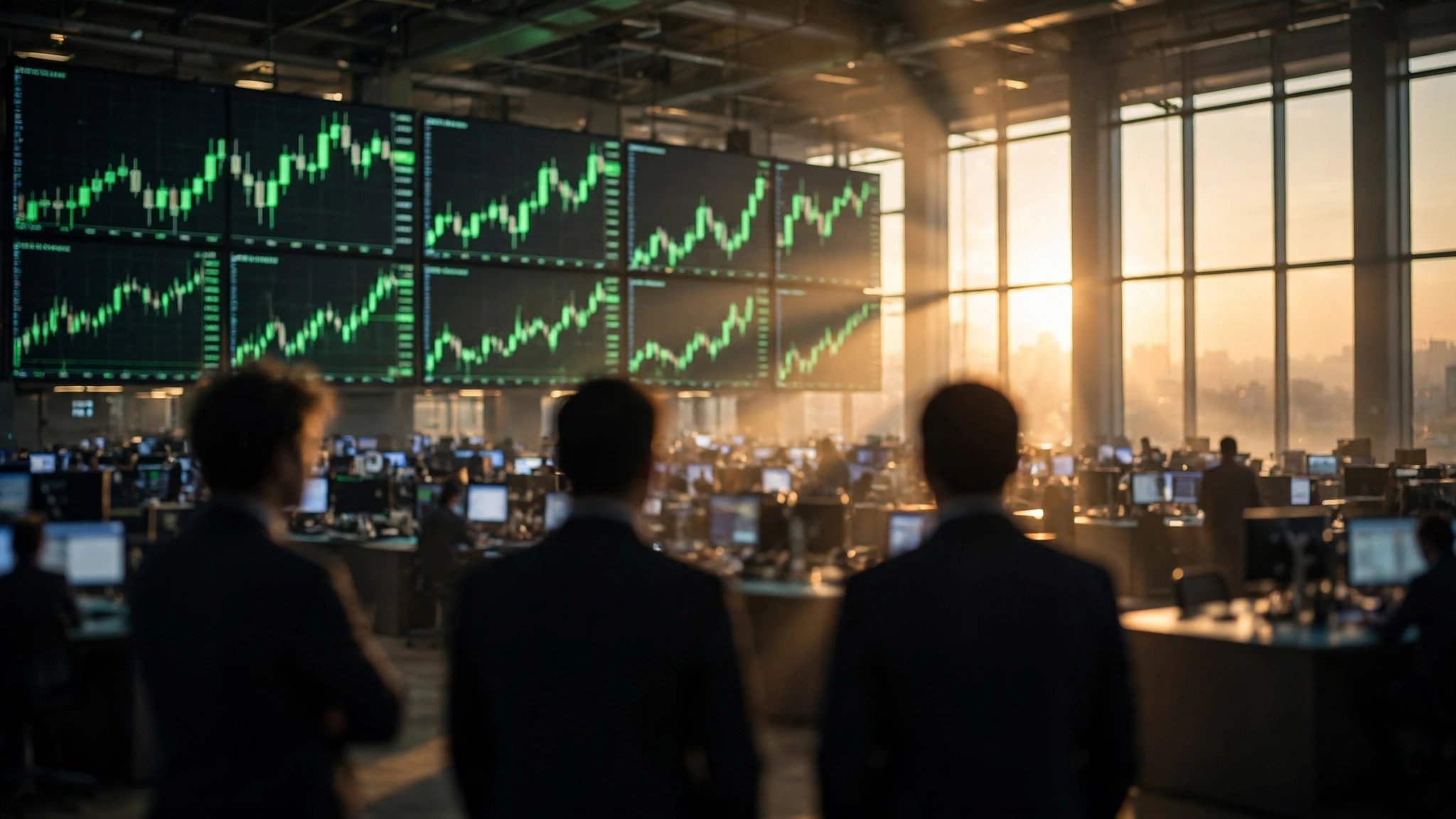
Wall Street came back from Thanksgiving ready to buy what it had spent November selling. In a shortened Black Friday session, artificial intelligence stocks led a broad rebound, handing the Dow Jones Industrial Average its best week since 2022 and pulling the Nasdaq sharply higher.
The Dow rose 591.99 points, or 1.18 percent, to close at 50,774.94 on Friday. The S&P 500 gained 114.71 points, or 1.60 percent, to 7,297.49, while the Nasdaq Composite climbed 543.70 points, or 2.31 percent, to 24,129.50. Trading ended early at 1 p.m. Eastern time after markets were closed on Thursday for the Thanksgiving holiday.
The single session capped one of the strongest weeks for American stocks in years. For the week, the Dow gained about 5.5 percent, its best weekly performance since October 2022. The S&P 500 rose 5.6 percent, its strongest week since April 2025, and the Nasdaq jumped 6.7 percent, also its best showing since April.
Anthropic leads the bounce
The day's sharpest move belonged to the market's newest AI name. Anthropic shares jumped 10.98 percent to $91.88, its best day since the company went public on November 19, and back above its $83 initial public offering price. The stock had closed below that IPO price in the previous two sessions after a volatile first week of trading that saw it dip as low as $75.61.
Investors bought the stocks that had taken the worst beating in November's selloff. Amazon climbed about 4 percent and Meta rose roughly 3 percent, while Broadcom added 3.81 percent. Nvidia, the AI bellwether at the centre of the month's turmoil, wobbled early, falling as much as 2.4 percent at the start of the session, before finishing with a modest gain of about 0.8 percent.
Chips power the rally
Semiconductor stocks did the heavy lifting. The Philadelphia Semiconductor Index surged 4.69 percent, with Micron up 7.34 percent and AMD up 4.89 percent. Computer storage device makers jumped 8.58 percent as warnings spread of a global memory chip shortage expected to stretch through 2027, a squeeze that has lifted prices for the memory at the heart of AI data centres.
The rally also drew support from stronger economic data. A revised estimate put third-quarter gross domestic product growth at 4.3 percent, ahead of expectations, while October inflation figures reinforced expectations that the Federal Reserve could raise interest rates at its December meeting. Bitcoin, which has traded in step with risk appetite for much of the month, hovered near $60,000.
A volatile month is not over yet
For all the relief, the rebound did not erase November's damage. Just a week earlier the S&P 500 had fallen into correction territory, more than 10 percent below its early-October high, after concerns about AI spending, rising borrowing costs and regulatory risks triggered sharp swings across Wall Street. Both the Nasdaq and the S&P 500 remain on course for their worst November since 2008.
Analysts cautioned that Friday's session came with light holiday volumes, which can exaggerate moves in both directions. Regular trading hours return on Monday, November 30, the last trading day of the month, and the next test will be whether dip buyers keep showing up once full volumes return.
For now, though, the message from the market is that the AI trade is not dead. After a bruising month, investors were willing to pay up again for the companies building the technology, and the newest public AI company of all led the way back.


