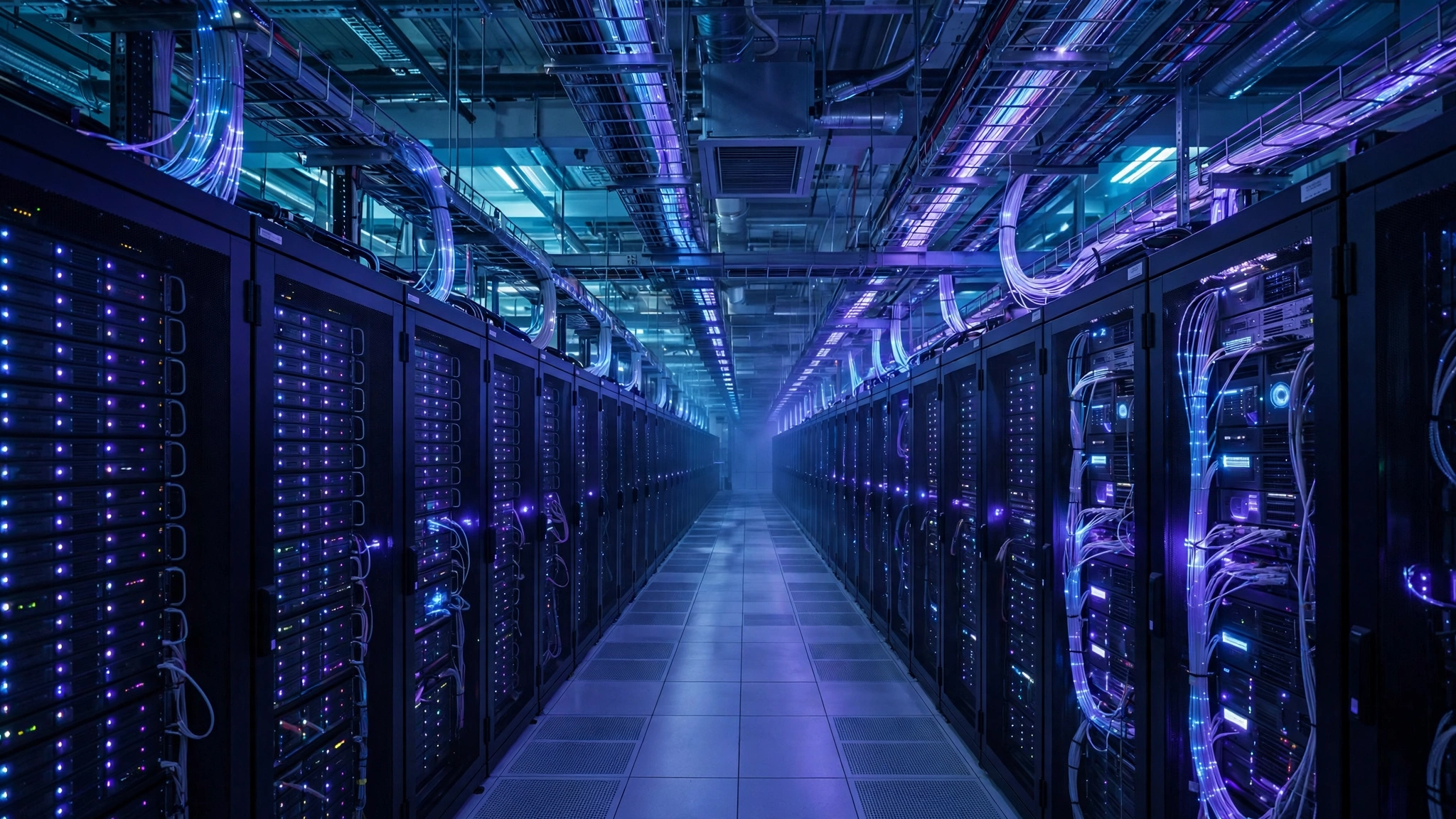
The rapid expansion of artificial intelligence is creating a major shortage across the global memory-chip market, with rising demand from AI data centers putting pressure on the supply of conventional RAM used in everyday electronics.
AI servers require huge quantities of high-performance memory, particularly high-bandwidth memory, or HBM. As major manufacturers such as Samsung, SK Hynix and Micron prioritize these higher-value AI components, less production capacity is available for traditional DRAM and NAND used in PCs, smartphones, gaming consoles and other consumer devices.
The supply squeeze is already driving memory prices sharply higher. Research firms expect DRAM and NAND prices to remain elevated as AI infrastructure spending continues to grow and new semiconductor manufacturing capacity takes years to come online.
Electronics manufacturers are now facing higher component costs, forcing some companies to increase retail prices, reduce specifications or focus more heavily on premium devices.
The shortage could have a significant impact on consumers, with laptops, smartphones, graphics cards, consoles and other electronics facing continued price pressure.
Industry analysts warn that the situation may persist well beyond 2026 as demand from AI companies and hyperscale data centers continues to outpace the available supply of advanced memory chips.